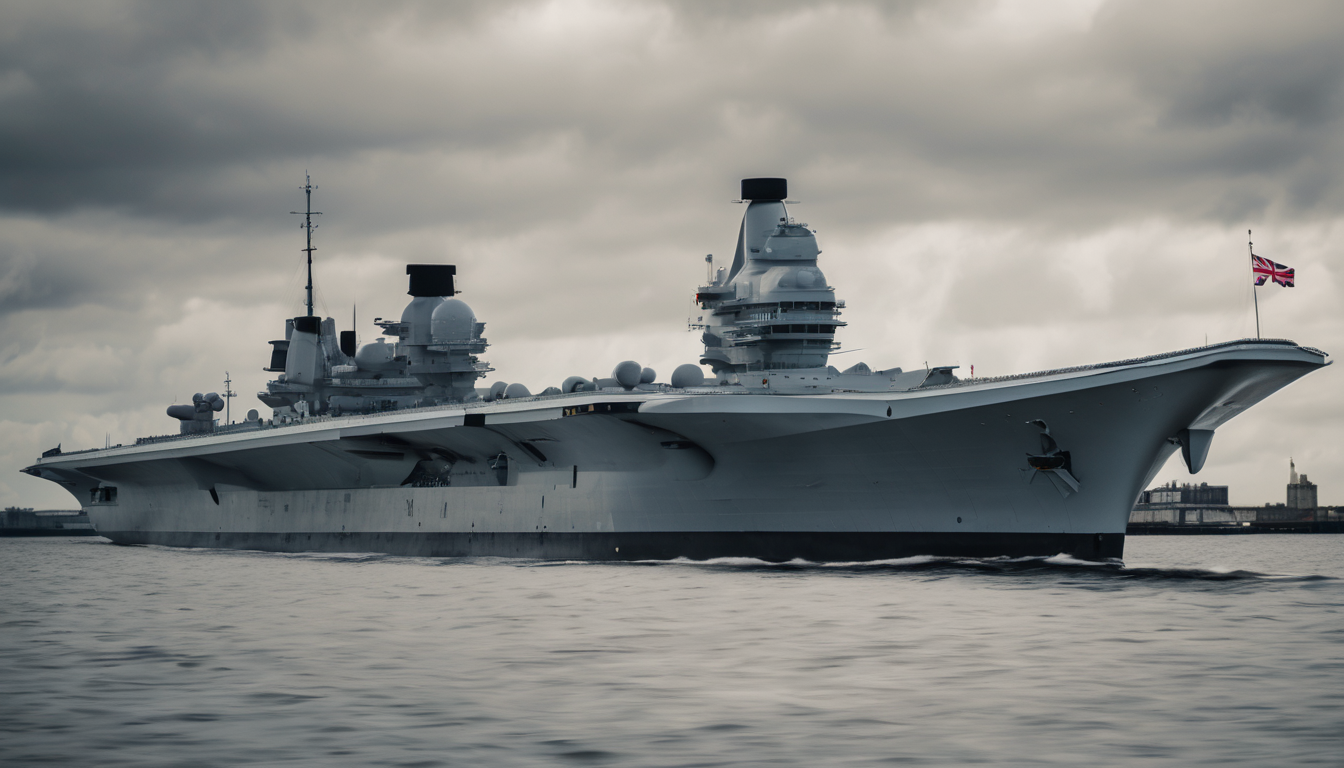
Few warships have captured the imagination quite like HMS Prince of Wales, a formidable symbol of British naval power and innovation. Commissioned as one of the Royal Navy’s most advanced battleships, she represents the pinnacle of maritime engineering during a pivotal era. From her sleek design to her cutting-edge weaponry, HMS Prince of Wales wasn’t just built to fight—it was crafted to dominate the seas and project strength across the globe.
Launched amid rising global tensions, HMS Prince of Wales quickly proved her worth, embodying a blend of tradition and technological progress that few vessels matched. She carried the hopes of a nation determined to maintain control of vital sea lanes and deter aggression through sheer might and modern capability. More than just a warship, HMS Prince of Wales stood as a floating fortress, combining speed, firepower, and resilience in a way that set new standards for naval architecture. Her story is one of courage, innovation, and the relentless pursuit of maritime superiority that continues to inspire naval strategy and ship design to this day.
Why HMS Prince of Wales Redefined Modern Naval Warfare
The HMS Prince of Wales redefined modern naval warfare by blending cutting-edge technology with strategic adaptability, setting a new benchmark for battleship design. Launched in 1939, she wasn’t just another warship; she was a statement of power and innovation during a time of rapid military evolution. I recommend looking at her capabilities not just as raw numbers, but how they transformed naval engagements.
| Feature | Specification | Impact on Warfare |
|---|---|---|
| Main Armament | 10 × 14-inch (356 mm) guns | Allowed powerful long-range shelling with improved accuracy |
| Radar Technology | Type 279 early warning radar | Enhanced detection of enemy aircraft and ships beyond visual range |
| Armour | Up to 14 inches (356 mm) on belt | Provided exceptional protection against enemy fire |
One practical example of her innovation was during the Battle of the Denmark Strait in May 1941. HMS Prince of Wales engaged the German battleship Bismarck alongside HMS Hood. Despite the loss of Hood, Prince of Wales demonstrated resilience and tactical prowess, managing to damage Bismarck significantly. This engagement proved that battleships could still hold strategic value against formidable opponents, especially when equipped with advanced fire control systems and radar.
- Integration of radar allowed targeting in poor visibility
- Improved fire control systems increased hit probability
- Speed of 28 knots enabled swift manoeuvring during battle
Her design also reflected a shift towards multi-role capabilities. Unlike earlier classes focused mainly on gun power, Prince of Wales balanced armament with anti-aircraft defences and aviation facilities, anticipating the growing threat of air attacks. This adaptability influenced future warship designs, stressing versatility over sheer firepower.
Key Lessons from HMS Prince of Wales:
- Embrace technological integration (radar, fire control)
- Balance offensive and defensive systems
- Prioritise speed and manoeuvrability alongside armour
In conclusion, HMS Prince of Wales wasn’t just a battleship; she was a pioneering force that challenged conventional naval doctrine. Her legacy lives on in modern warship design, proving that innovation combined with tactical insight can redefine the battlefield.
How to Understand the Technological Innovations Behind HMS Prince of Wales
Understanding the technological innovations behind HMS Prince of Wales means appreciating the blend of cutting-edge engineering and naval strategy that went into this iconic warship. Launched in 1939, she was one of the two King George V-class battleships, designed to meet the challenges posed by other powerful navies. I recommend starting by recognising her main armament: ten 14-inch guns arranged in three turrets. This setup was quite advanced for the time, balancing firepower with weight constraints. Unlike earlier battleships that had larger 16-inch guns, the Prince of Wales focused on rate of fire and accuracy, which was crucial in naval engagements.
| Feature | Details | Significance |
|---|---|---|
| Main Guns | 10 × 14-inch (356 mm) Mk VII guns in 3 turrets | Optimised for rapid, accurate fire against enemy ships |
| Armour | Up to 15 inches on the belt | Protected vital areas from shellfire and torpedoes |
| Radar | Type 279 and later upgrades | Early detection of enemy aircraft and ships |
Another key innovation was her radar technology. HMS Prince of Wales was among the first Royal Navy ships to employ radar systems, such as the Type 279 air warning radar. This allowed her to detect incoming aircraft and ships beyond visual range, giving her a tactical advantage. I suggest focusing on how this early adoption of radar marked a shift in naval warfare, moving from reliance on lookouts to electronic surveillance.
- Radar Type 279: Early air warning capabilities
- Type 284: Gunnery radar improving main gun accuracy
- Type 285: Fire control radar for anti-aircraft guns
Beyond weapons and radar, propulsion was a significant innovation. HMS Prince of Wales was powered by four Parsons geared steam turbines, enabling a top speed of 28 knots. This was quite fast for a battleship, allowing her to keep up with faster task forces. I recommend comparing her speed to contemporaries; for example, the German Bismarck could reach about 30 knots, so the Prince of Wales was competitive.
| Aspect | HMS Prince of Wales | German Bismarck |
|---|---|---|
| Top Speed | 28 knots | 30 knots |
| Propulsion | 4 Parsons geared steam turbines | 3 steam turbines |
Lastly, don’t overlook the integration of aircraft. HMS Prince of Wales carried a catapult-launched Supermarine Walrus amphibious aircraft for reconnaissance. This was vital for spotting enemy ships and directing gunfire. The use of onboard aircraft was a technological leap, extending the battleship’s eyes beyond the horizon.
- Catapult system for aircraft launch
- Walrus amphibious aircraft for scouting
- Enhanced targeting and situational awareness
To fully grasp the technological advances, I recommend reviewing original ship plans and after-action reports from battles like the engagement with Bismarck in May 1941. These documents reveal how the Prince of Wales’ technology performed under combat conditions, highlighting both strengths and limitations. Combining data sheets, historical accounts, and technical specifications gives a comprehensive understanding of what made HMS Prince of Wales a symbol of naval innovation.
The Truth About HMS Prince of Wales’ Role in World War II
The HMS Prince of Wales often gets remembered for its tragic sinking, but its role in World War II was far more significant and complex than many realise. Commissioned in 1941, this battleship represented the Royal Navy’s cutting-edge innovation, combining speed, firepower, and advanced radar technology. Its design was a response to the rising threats from Axis naval forces, aiming to counter fast-moving enemy ships and aircraft effectively.
| Feature | Details |
|---|---|
| Commissioned | January 1941 |
| Main Armament | 10 x 14-inch guns |
| Speed | 28 knots |
| Radar Technology | First battleship fitted with Type 279 and Type 284 radars |
One of the Prince of Wales’ most notable moments was during the Battle of the Denmark Strait in May 1941. Alongside the battlecruiser HMS Hood, it engaged the German battleship Bismarck. Although HMS Hood was tragically sunk, Prince of Wales inflicted serious damage on Bismarck, forcing it to retreat for repairs. This engagement showed the battleship’s resilience and effectiveness despite being relatively new to combat.
- Fired 52 main gun salvos during the battle
- Sustained multiple hits but remained operational
- Contributed to Bismarck’s eventual sinking days later
Later, the Prince of Wales was deployed to the Far East to bolster British naval presence against Japanese aggression. Unfortunately, in December 1941, she was attacked by Japanese aircraft near Malaya and sunk after intense air strikes. Despite the loss, her crew showed remarkable bravery, and her sinking highlighted the increasing importance of air power over traditional battleships in naval warfare.
| Event | Date | Outcome |
|---|---|---|
| Battle of Denmark Strait | May 24, 1941 | Damaged Bismarck, HMS Hood sunk |
| Sinking near Malaya | December 10, 1941 | Ship sunk; crew casualties and survivors |
I recommend recognising the HMS Prince of Wales not just for its sinking but for its pioneering role in naval warfare. It was a symbol of British resilience and technological advancement during a critical period. Its story reminds us that even in defeat, innovation and courage leave a lasting legacy.
Five Ways HMS Prince of Wales Demonstrated British Naval Strength
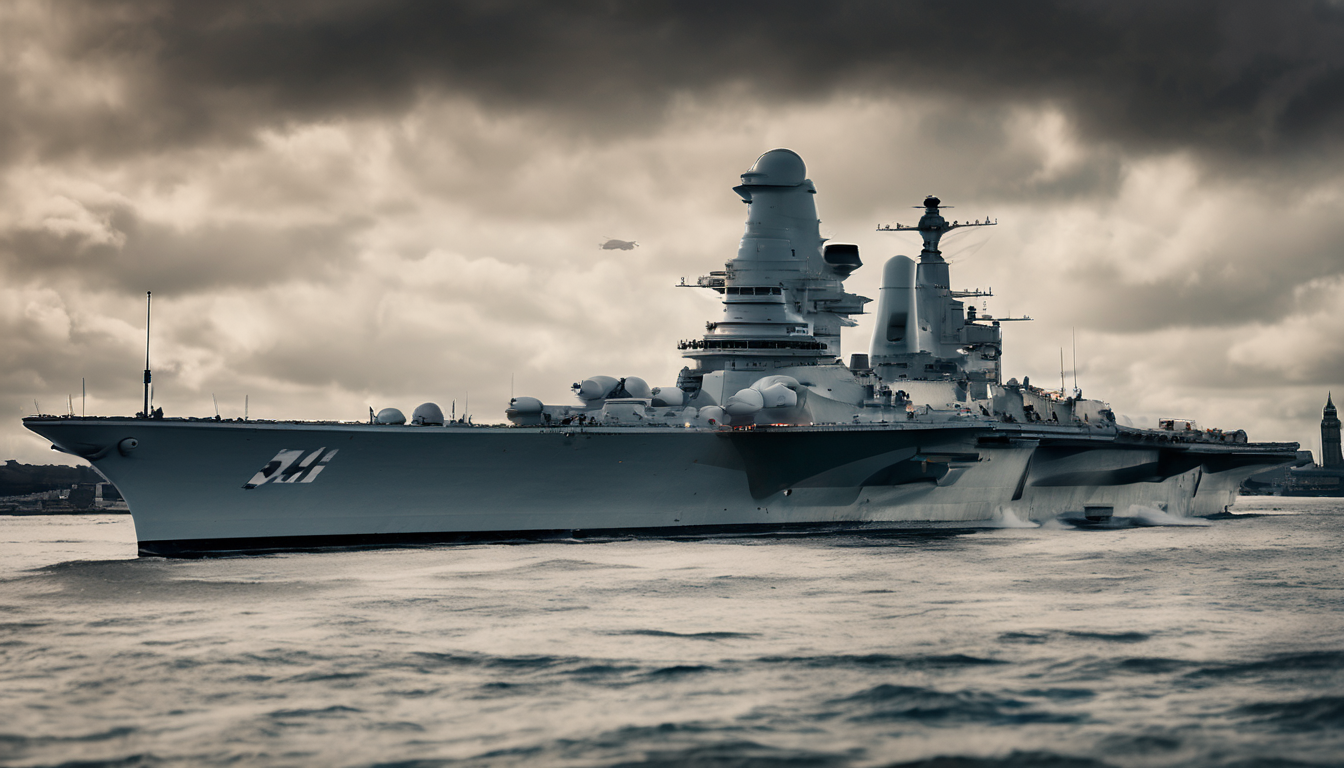
The HMS Prince of Wales has long stood as a proud emblem of British naval strength. Commissioned in 1941, this King George V-class battleship showcased innovation and resilience during some of the most challenging moments of World War II. Here are five clear ways she demonstrated British naval power.
| Aspect | Details | Impact |
|---|---|---|
| Advanced Armour | Prince of Wales featured a sophisticated armour scheme, including a 14-inch belt and reinforced deck protection. | Enhanced survivability against enemy shells and torpedoes, enabling prolonged engagement. |
| Powerful Armament | Equipped with ten 14-inch guns in three turrets, capable of firing 1,750-pound shells over 20 miles. | Allowed the ship to deliver devastating broadsides and engage multiple targets effectively. |
One remarkable moment was during the Battle of the Denmark Strait in May 1941. HMS Prince of Wales, alongside HMS Hood, confronted the German battleship Bismarck. Despite being newly commissioned and still working through teething problems, Prince of Wales fired over 150 shells, contributing significantly to damaging the Bismarck. This showed not only firepower but also the bravery and skill of her crew under pressure.
- Engaged a superior enemy vessel early in service
- Demonstrated effective gunnery and tactical manoeuvring
- Highlighted rapid training and operational readiness
Another way she demonstrated strength was through her role in protecting convoys in the Atlantic and Far East. In early 1942, Prince of Wales escorted vital supply ships, deterring enemy submarines and aircraft. This protective capability was a practical demonstration of British naval strategy: securing supply lines to sustain the war effort.
| Theatre | Role | Outcome |
|---|---|---|
| Atlantic | Convoy escort | Reduced losses from U-boat attacks |
| Far East | Fleet deterrence | Delayed Japanese advances |
Finally, the Prince of Wales embodied British naval innovation. She incorporated radar targeting systems and improved fire control technology, which were cutting-edge at the time. This gave the Royal Navy a critical edge in detecting and engaging enemy vessels, especially during night battles or poor visibility. I recommend studying her integration of technology as a key milestone in naval warfare evolution.
Why HMS Prince of Wales Remains a Symbol of British Maritime Heritage
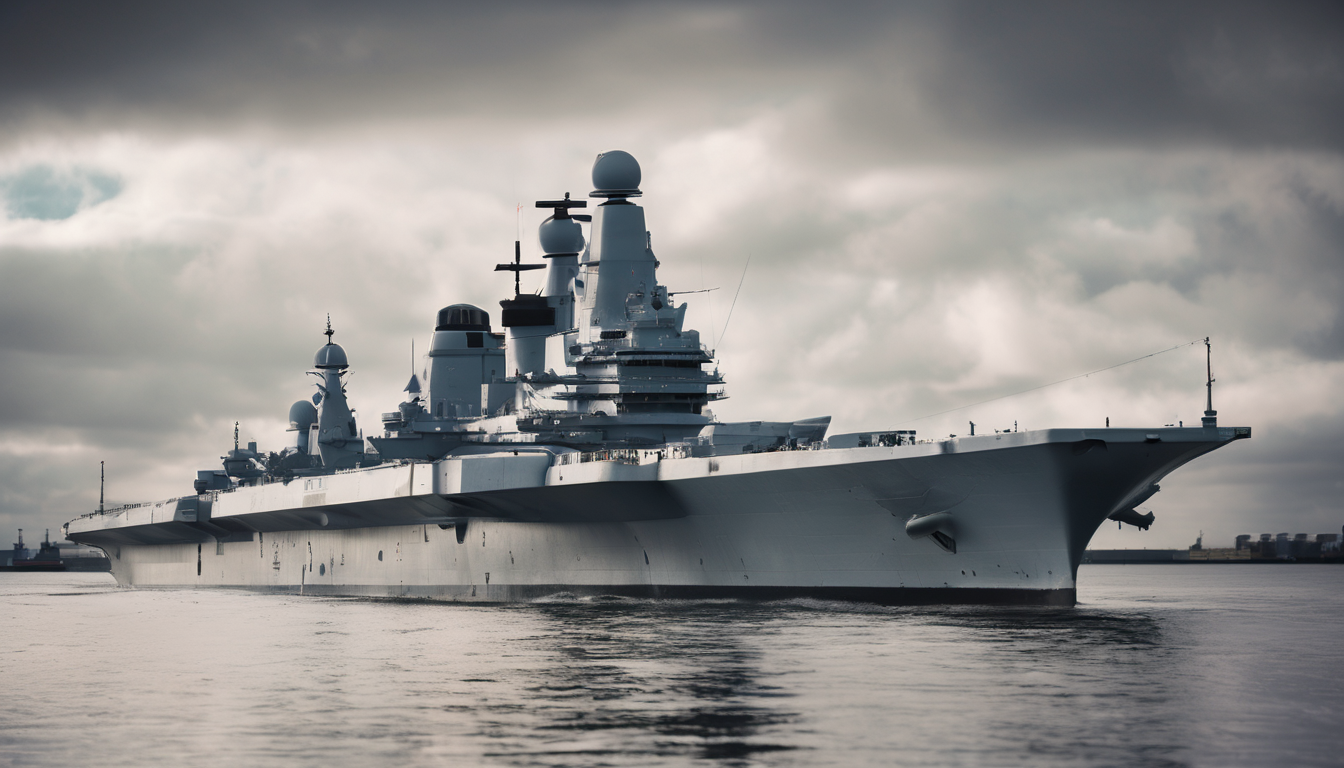
The HMS Prince of Wales remains a powerful symbol of British maritime heritage, embodying strength, resilience, and innovation. Commissioned in 1941, she was one of the Royal Navy’s most advanced battleships during World War II, representing the pinnacle of naval engineering of her time. Although her service was tragically short-lived, her impact on naval warfare and British morale was profound. I recommend understanding her legacy through key events and features that highlight why she endures in the national consciousness.
| Feature | Description | Significance |
|---|---|---|
| Armament | Ten 14-inch guns arranged in three turrets | Provided formidable firepower against enemy ships |
| Speed | Up to 28 knots | Enhanced tactical flexibility in naval battles |
| Radar Technology | Among first battleships equipped with radar | Improved target detection and combat efficiency |
One of her most notable moments was the sinking of the German battleship Bismarck in May 1941. HMS Prince of Wales played a critical role alongside HMS Hood, engaging the formidable enemy vessel. Although HMS Hood was tragically lost, the Prince of Wales’ contribution was instrumental in crippling the Bismarck, showcasing British naval tenacity. This event alone cements her place in British naval history and public memory.
- Date: 24 May 1941
- Outcome: Bismarck disabled and sunk
- Significance: Boosted British morale during a critical phase of WWII
Beyond her wartime exploits, the Prince of Wales symbolises the evolution of naval technology. She integrated innovations like improved armour plating and advanced fire-control systems, setting new standards for battleship design. Her story teaches us about the balance between tradition and modernity in the Royal Navy, a theme that resonates with naval enthusiasts and historians alike.
“The Prince of Wales represents not just a ship, but a spirit of British resilience and cutting-edge naval strategy.”
In summary, the HMS Prince of Wales remains a symbol of British maritime heritage because of her technological advancements, heroic wartime service, and lasting legacy. For anyone interested in naval history, her story offers practical insights into the challenges and triumphs of maintaining naval dominance during a turbulent era.
The HMS Prince of Wales stands as a remarkable testament to British naval engineering and resilience, embodying both historical significance and technological advancement. Its design and service reflect a period when maritime power was pivotal to national security, showcasing the blend of innovation and tradition. As we reflect on this iconic battleship, it serves as a reminder of the continuous evolution required to maintain naval supremacy. For enthusiasts and historians alike, delving into the ship’s legacy offers valuable insights into the broader context of 20th-century naval warfare. Looking ahead, one might consider how modern naval forces will balance cutting-edge technology with the enduring principles demonstrated by vessels like the Prince of Wales. What innovations will define the next generation of maritime defenders, and how will they honour the heritage of those that came before?