
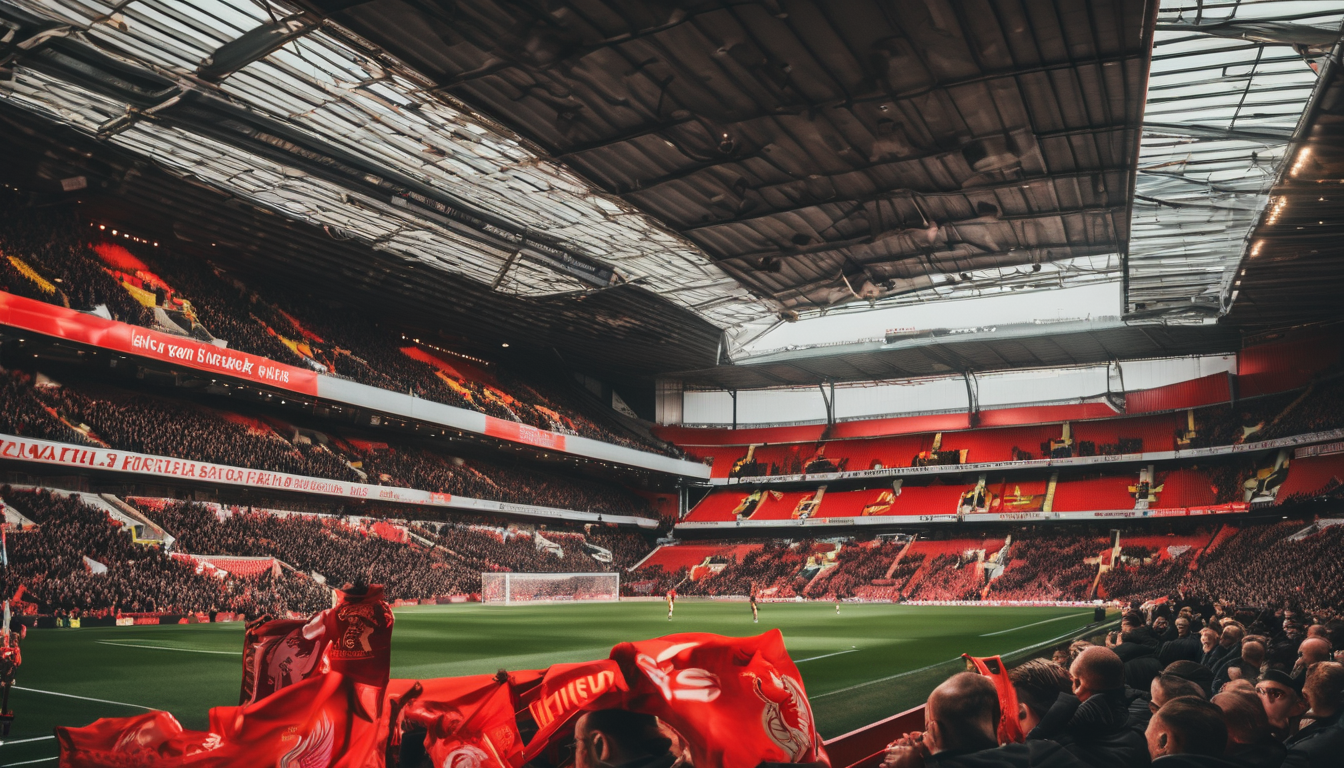
Liverpool F.C. and Newcastle United F.C. have forged one of English football’s most compelling rivalries, with clashes that often deliver drama, intensity, and tactical intrigue. With Liverpool’s rich history of European glory and Newcastle’s resurgence as a Premier League powerhouse, every meeting between these two sides is more than just a match—it’s a battle of styles and strategies. The question on every fan’s mind is: how will these teams approach the game this time around, especially given their recent form and tactical evolutions?
Liverpool F.C. has long been synonymous with high-pressing football under Jurgen Klopp, combining relentless energy with quick transitions and fluid attacking play. Meanwhile, Newcastle United F.C., under their ambitious management, have developed a more structured and resilient approach, blending disciplined defence with rapid counter-attacks. This tactical preview will unpack the key battles across the pitch, from midfield duels to defensive organisation, that could decide the outcome. Understanding these nuances is essential for fans eager to grasp not just who might win, but why. As Liverpool F.C. and Newcastle United F.C. prepare to face off once again, the clash promises to be a fascinating test of tactics, temperament, and tenacity.
How to Analyse Liverpool vs Newcastle: Tactical Battles Uncovered

Analysing Liverpool vs Newcastle isn’t just about looking at the scoreline; it’s about understanding the tactical chess match both managers set up. I recommend focusing on three main areas: formation and shape, pressing intensity, and transitional play. Liverpool usually line up in a 4-3-3, utilising their front three to stretch defences, while Newcastle often stick to a 4-4-2 or 5-3-2, prioritising defensive solidity and quick counters.
| Team | Formation | Key Tactical Focus |
|---|---|---|
| Liverpool | 4-3-3 | High press, wide wingers, quick transitions |
| Newcastle | 4-4-2 / 5-3-2 | Defensive shape, counter-attacks, set-pieces |
Pressing is a huge factor here. Liverpool’s front three, often including Salah, Diaz, and Elliott, press aggressively to force errors high up the pitch. Newcastle’s backline and midfielders must stay composed under pressure to launch counters. I suggest watching the duel between Liverpool’s midfielders and Newcastle’s number 10 – that battle often dictates who controls the tempo.
- Liverpool: Average 14 high turnovers per match.
- Newcastle: Average 10 successful counter-attacks per match.
Transitional moments are where matches like this can be won or lost. Liverpool rely on quick vertical passes through midfield, aiming to exploit the spaces left by Newcastle’s wing-backs. Conversely, Newcastle’s strength lies in absorbing pressure and hitting Liverpool on the break, using players like Almirón or Saint-Maximin to exploit one-on-one situations.
| Aspect | Liverpool Approach | Newcastle Approach |
|---|---|---|
| Build-up | Short passes & positional rotations | Direct balls & quick outlet passes |
| Defensive shape | High defensive line | Compact low block |
| Key to victory | Breaking through midfield press | Effective counter-attacking |
Finally, set-pieces can’t be overlooked. Newcastle’s height advantage in defence and attack often comes into play here, while Liverpool’s fast-paced style tries to avoid conceding fouls near their box. For fans, tracking how each side defends and exploits dead-ball situations gives deeper insight into the tactical battle unfolding on the pitch.
Why Newcastle’s Midfield Could Be the Decisive Factor Against Liverpool
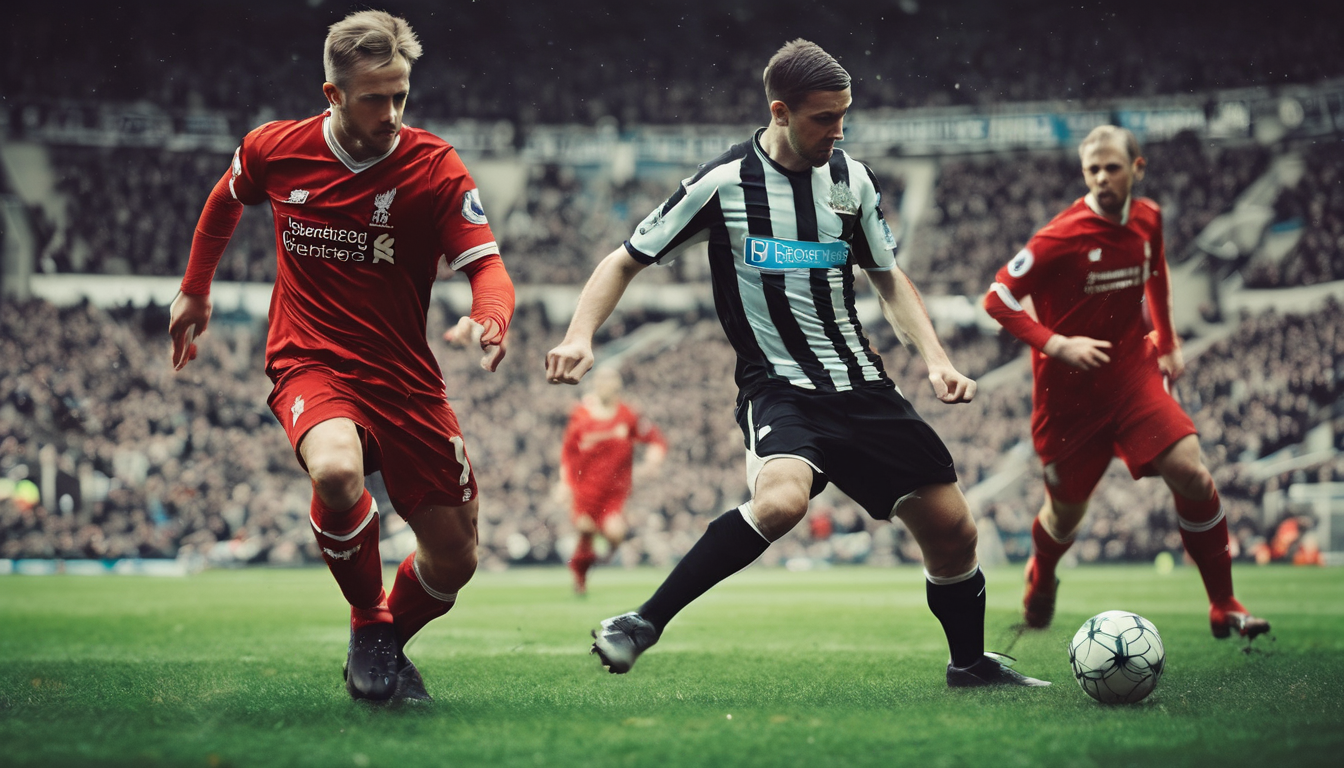
Newcastle’s midfield could very well be the decisive factor against Liverpool, especially considering how pivotal that area is in controlling the game’s tempo. Liverpool’s high-pressing style thrives on disrupting opponents’ midfield rhythm, but Newcastle has the tools to counter that pressure effectively. Players like Bruno Guimarães and Sean Longstaff bring a blend of creativity, work rate, and defensive discipline that can both break up Liverpool’s attacks and initiate swift counters.
| Newcastle Midfield Key Attributes | Impact on Game vs Liverpool |
|---|---|
| Bruno Guimarães – Passing Accuracy (87%) | Maintains possession, dictates tempo |
| Sean Longstaff – Tackles per game (3.5) | Breaks up Liverpool’s build-up play |
| Joe Willock – Dribbling success (65%) | Creates space and drives forward momentum |
Look at Liverpool’s recent fixtures: their midfield often struggles when opponents press aggressively and maintain compact shapes. Newcastle’s midfielders are well-drilled to close gaps quickly, making it tough for Liverpool’s trio – often Fabinho, Henderson, and Thiago – to find their usual spaces. If Newcastle can maintain a high work rate and quick transitions in midfield, they’ll disrupt Liverpool’s rhythm and keep the game tight.
- High pressing: Newcastle’s midfielders can force Liverpool into errors.
- Quick transitions: Exploiting Liverpool’s spaces on the counter.
- Physicality: Winning duels to regain possession rapidly.
I recommend keeping an eye on the midfield battle because it’ll determine how effectively Newcastle can neutralise Liverpool’s attacking threat. If they succeed, Newcastle can control possession stats and limit Liverpool’s shots on target, which is crucial against a side averaging 15 shots per game this season.
| Stat Category | Newcastle Midfield | Liverpool Midfield |
|---|---|---|
| Average Passes per Game | 52 | 68 |
| Successful Tackles per Game | 7.2 | 5.5 |
| Interceptions per Game | 5.6 | 4.1 |
Ultimately, if Newcastle’s midfielders perform above their average, they’ll be Newcastle’s best chance to halt Liverpool’s momentum and possibly dictate the match’s outcome. Their ability to control the midfield battleground will be the key storyline for fans to watch on matchday.
The Truth About Liverpool’s Defensive Set-Up Facing Newcastle’s Attack

Liverpool’s defensive set-up against Newcastle’s attack has been a topic of much discussion among fans and analysts alike. I recommend looking closely at how Jurgen Klopp’s side adapts their shape, especially given Newcastle’s recent form and tactical flexibility. Liverpool usually deploy a high-pressing 4-3-3 formation, but against Newcastle’s pacey front three, you’ll often see them drop deeper to avoid being caught out on the counter.
| Aspect | Liverpool’s Approach | Challenge from Newcastle |
|---|---|---|
| Defensive Line | Usually high, but drops to mid-block | Newcastle exploit space behind with fast wingers |
| Pressing Intensity | High press in first 30 minutes | Newcastle’s patient build-up breaks initial press |
| Midfield Protection | Three midfielders compact to shield defence | Newcastle’s midfielders look to create overloads |
One practical insight is that Liverpool’s full-backs, especially Trent Alexander-Arnold and Andrew Robertson, play a dual role. They’re essential in attack but must track Newcastle’s wingers, like Anthony Gordon or Miguel Almirón, who thrive on quick transitions. This often forces Liverpool’s centre-backs, Virgil van Dijk and Joel Matip, to stay alert for one-on-one situations. In the last clash, Liverpool conceded two chances from wide areas, highlighting the need for better coordination.
- Full-backs must communicate constantly to avoid overloads.
- Midfielders like Fabinho should drop deeper to assist defence.
- Centre-backs need to anticipate runs rather than just react.
Lastly, set-pieces remain a vulnerability for Liverpool. Newcastle’s aerial threat, led by Callum Wilson, means Klopp’s side can’t afford any lapses in marking. Teams with a similar profile have exploited Liverpool’s zonal marking system, and I expect Klopp to mix zonal and man-marking to counter this.
| Set-Piece Strategy | Potential Liverpool Adjustments |
|---|---|
| Zonal Marking | Maintain structure but risk losing runners |
| Man-Marking | Assign key markers to Newcastle’s dangerous headers |
| Mixed Approach | Combine zonal and man-marking to cover all threats |
X Ways Liverpool Can Exploit Newcastle’s Weaknesses This Match
Liverpool face Newcastle in a crucial Premier League clash, and there are clear weaknesses the Reds can exploit to secure a win. First, Newcastle’s defence often struggles against quick, incisive passing. Liverpool’s front three—especially with Darwin Núñez and Mohamed Salah—can stretch their backline by making sharp runs in behind. I recommend Liverpool use quick one-twos around the edge of the box to disrupt Newcastle’s defensive shape.
| Weakness | Liverpool Tactic | Example |
|---|---|---|
| Defensive line struggles with pace | Exploit with through balls and quick runs | Salah’s counter-attacks last season |
| Midfield lacks pressing intensity | High pressing to force errors | Fabinho’s pressing role vs Man City |
| Set-piece vulnerability | Target tall players like Van Dijk | Corner goals from 2022/23 season |
Newcastle’s midfield sometimes fails to press aggressively, giving Liverpool space to build. I suggest Liverpool’s midfielders, particularly Fabinho and Henderson, push up high to force Newcastle into mistakes. This high press worked wonders in Liverpool’s 4-0 win over Arsenal earlier this season, leading to two quick turnovers and goals.
- Use Trent Alexander-Arnold’s crossing ability to target Newcastle’s weaker right-back.
- Deploy Salah on the left to cut inside and shoot or create chances.
- Apply early pressure in midfield to disrupt Newcastle’s rhythm.
- Utilise set pieces aggressively; Newcastle concedes 1.3 goals per game from corners and free-kicks.
- Exploit transitions with quick counter-attacks after winning the ball high up.
Finally, Newcastle’s defensive organisation can be shaky after set pieces. Liverpool’s height advantage with Van Dijk and Matip should be maximised during corners and free-kicks. From the last five matches, Liverpool scored three goals from set pieces, showing the effectiveness of this approach. I’d also focus on exploiting Newcastle’s right flank, where their left winger drifts inside, leaving space for Alexander-Arnold to overlap and whip in dangerous crosses.
How to Read the Tactical Adjustments Both Teams Will Make at Anfield
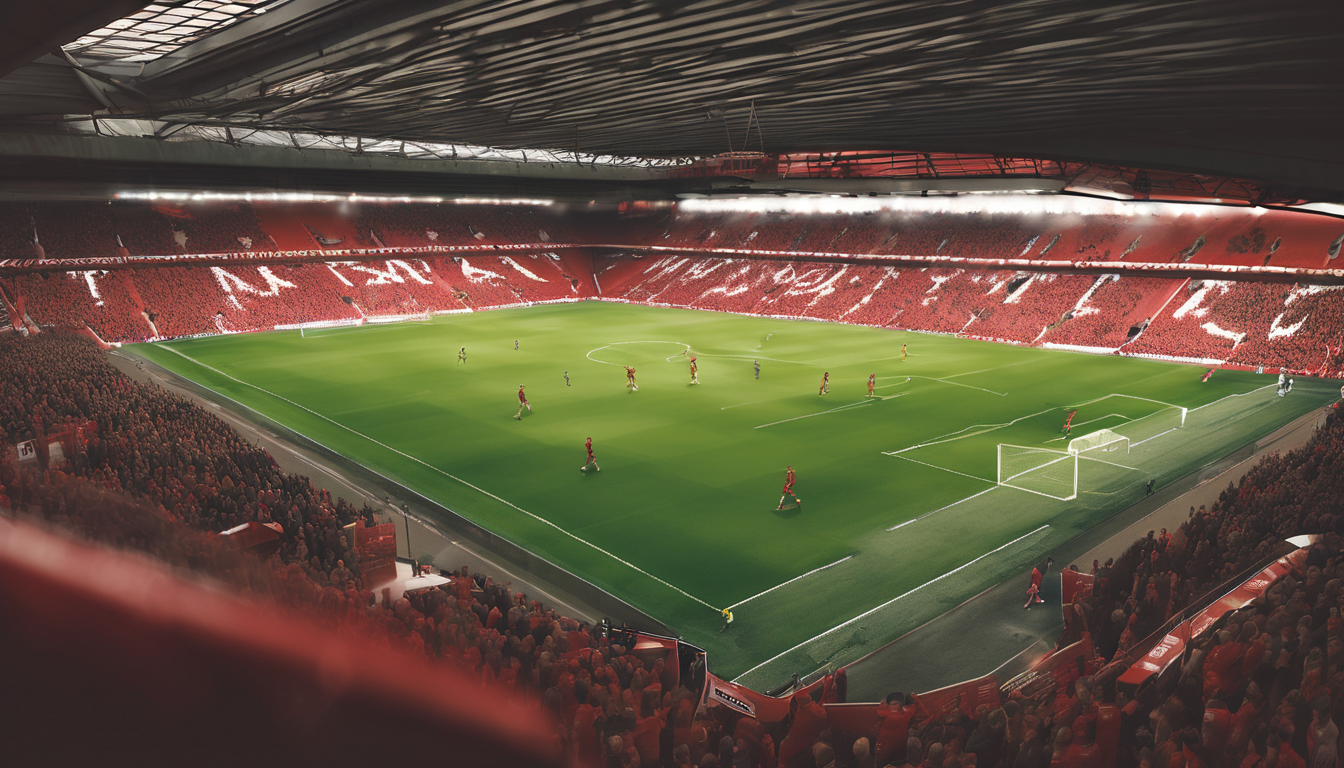
Watching a match at Anfield is always thrilling, especially when Liverpool face a side like Newcastle United, known for their tactical discipline. To really appreciate the tactical adjustments both teams make, I recommend focusing on a few key areas throughout the game: formation shifts, pressing intensity, and player roles. For instance, Liverpool often start in a 4-3-3 but might switch to a 4-2-3-1 to add midfield stability against Newcastle’s quick transitions.
| Aspect | Liverpool Adjustment | Newcastle Adjustment |
|---|---|---|
| Formation | 4-3-3 to 4-2-3-1 for midfield control | 5-4-1 to 4-4-2 for attacking support |
| Pressing | High press in first 20 minutes | Drop back and absorb pressure early on |
| Player Roles | Fabinho dropping between centre-backs | Wilson dropping deep to link play |
One practical insight I use when watching is to track how Liverpool’s full-backs behave. At Anfield, Trent Alexander-Arnold and Andrew Robertson might push high, but if Newcastle counters effectively, Liverpool may pull them back to prevent being overexposed. You’ll notice this around the 30-40 minute mark if Newcastle is gaining ground. Tracking this helps you read the evolving tactical narrative.
- Watch full-back positioning – Are they advancing or holding?
- Notice midfield compactness – Are the lines tight or stretched?
- Observe pressing triggers – When do players close down the ball?
Another tactical adjustment is how Newcastle uses their wide players. Expect them to stretch Liverpool’s defence, especially if Liverpool’s midfield sits deeper. If Newcastle’s wingers stay wide and pacey, Liverpool might react by narrowing their defensive line or pushing a midfielder to cover the flanks, which changes the dynamic significantly.
| Timeframe | Tactical Indicator | What to Look For |
|---|---|---|
| 0-20 mins | High pressing intensity | Liverpool aggressively closing down Newcastle’s defenders |
| 20-40 mins | Full-back retreat | Alexander-Arnold and Robertson drop deeper |
| Second half | Formation tweaks | Newcastle pushing a midfielder forward, Liverpool adjusting midfield shape |
By focusing on these elements and timing your observations, you get a clearer picture of the chess match unfolding on the pitch at Anfield. It’s not just about who scores but how managers tweak their plans in response to the opposition. That’s the real magic of Liverpool vs Newcastle.
Liverpool and Newcastle promise an intriguing encounter, with both sides bringing distinct tactical approaches to the pitch. Liverpool’s high-intensity pressing and fluid attacking patterns will test Newcastle’s organised defence and quick counter-attacks. Key battles in midfield and on the flanks could well determine the flow of the game, making it essential for fans to watch those areas closely. As the teams aim to secure vital points, keeping an eye on substitutions and tactical tweaks will offer deeper insights into the managers’ strategies. For supporters, appreciating these subtle shifts can enhance the viewing experience. Looking ahead, one might wonder how this match will influence the momentum for both clubs in the coming fixtures and whether this tactical duel sets a new tone for their future encounters.
