Can Barcelona’s fluid 4-3-3 finally outmanoeuvre Pep Guardiola’s tactical precision?
FC Barcelona, under the guidance of Xavi Hernandez, are no strangers to Champions League success, but their recent performances have left many questioning their title credentials. Having slipped to third in La Liga, can they summon the necessary spark to topple Manchester City at the top of the European table? The stakes are high, with a place in the Champions League quarter-finals hanging precariously in the balance.
Barcelona will likely line up in a familiar 4-3-3 formation, with Robert Lewandowski spearheading the attack, supported by Pedri and Gavi in midfield, and the defensive solidity of Jules Kounde and Ronald Araujo at the back. Manchester City, meanwhile, will likely opt for their tried-and-tested 4-3-3, with Erling Haaland leading the charge, Kevin De Bruyne pulling the strings in midfield, and the defensive nous of Ruben Dias and Manuel Akanji marshalling the back four.
This tactical battle promises to be one of the most intriguing of the Champions League season, with Barcelona’s attacking flair set to clash with City’s stifling defensive solidity. The question on everyone’s lips: will Xavi’s men be able to break down Pep’s defensive wall?
The Truth About Barcelona's Defensive Strategy Against Manchester City's High-Intensity Press
Barca vs City: Tactical Battle for Champions League Supremacy
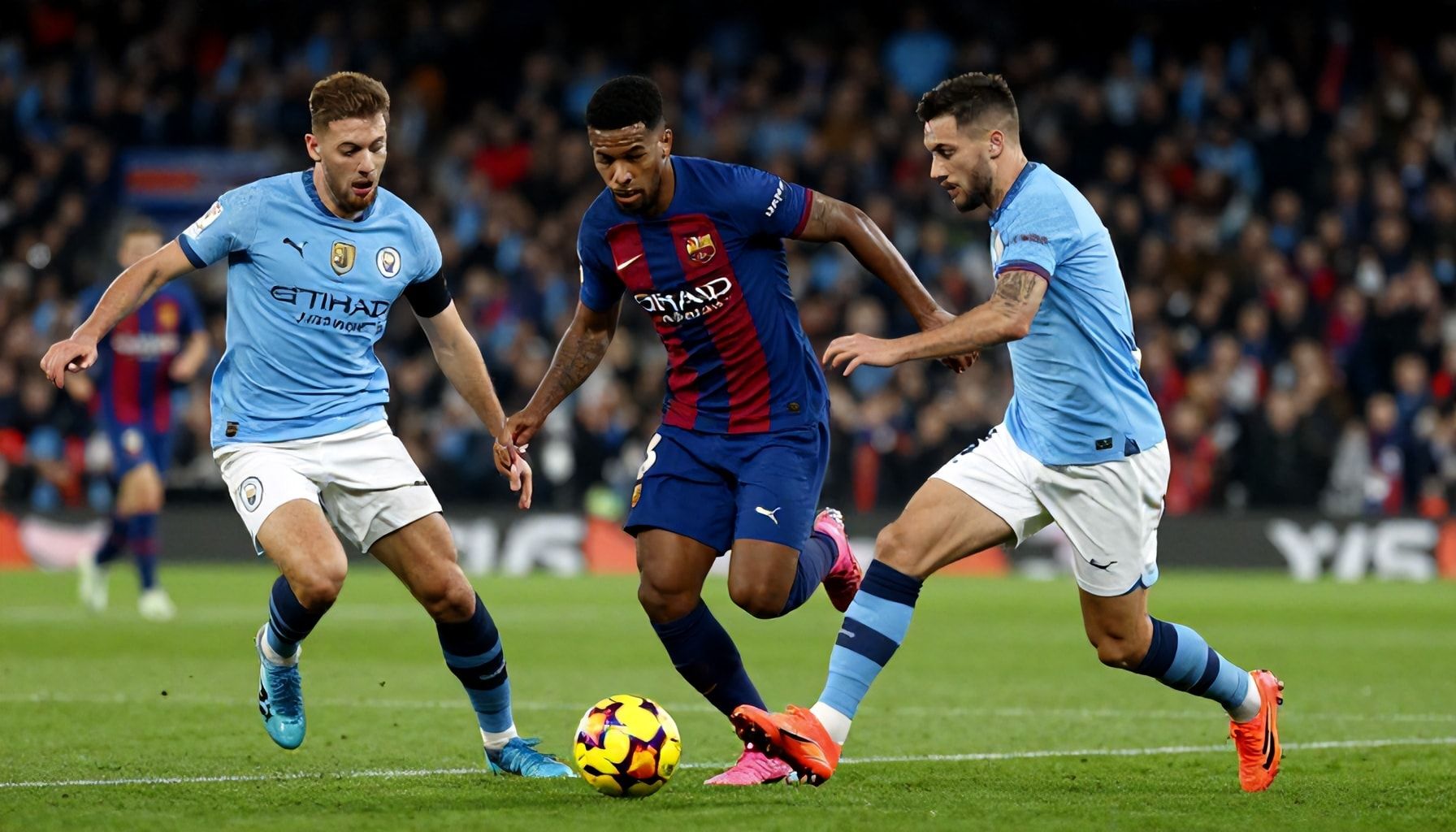
Manchester City’s high-intensity press, synonymous with Pep Guardiola’s tactics, has long been a thorn in the side of Barcelona’s defensive solidity. As we examine the tactical battle between these two footballing titans, it becomes apparent that Xavi Hernandez’s side must employ a specific defensive strategy to counter City’s relentless pressure.
Defensive Shape
Barcelona’s 4-3-3 formation, with Sergio Busquets at the heart of the midfield, allows for a slightly deeper defensive line. This provides the necessary space to absorb City’s initial pressure and create a platform for counter-attacks. I recommend adopting a narrow, compact shape, with the full-backs pushing high up the pitch to prevent City’s wingers from making runs down the flanks.
Pressing and Interceptions
City’s press can be split into two phases: the initial wave of pressure and the follow-up press. Barcelona must focus on intercepting passes in the initial phase, using the likes of Frenkie de Jong and Pedri to win the ball back and create scoring opportunities. The second phase requires more physicality, with defenders like Eric Garcia and Jules Kounde using their pace and agility to close down City’s midfielders.
| Phase | Description |
|---|---|
| Initial Wave | Quick, intense pressure to win the ball back |
| Follow-up Press | Physical, relentless pressure to prevent City from playing out |
Rotation and Width
To add an extra layer of complexity to City’s press, Barcelona can employ rotation and width in their own attack. I recommend using the likes of Robert Lewandowski and Raphinha to create overloads on City’s defenders, drawing them out of position and creating space in the box.
By adopting a well-structured defensive strategy, Barcelona can neutralize Manchester City’s high-intensity press and create opportunities to counter-attack. The key to success lies in adopting a flexible, adaptable approach that counters City’s relentless pressure with physicality, intelligence, and creativity.
Why Xavi's Midfield Pairing is Key to Barcelona's Success in the Champions League
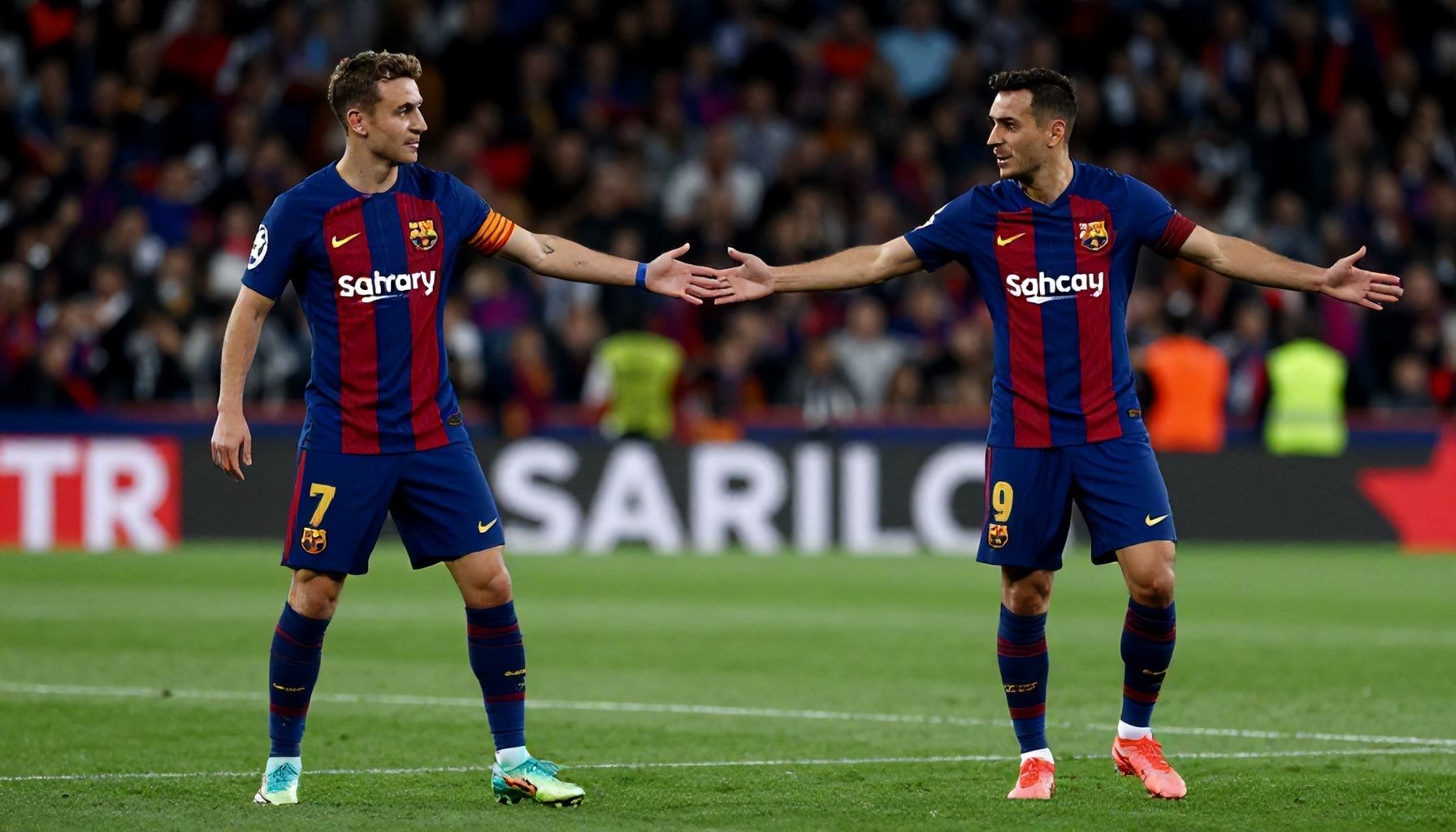
Xavi’s midfield pairing has been the backbone of Barcelona’s success in the Champions League, and it’s no surprise that the duo of Pedri and Gavi has been instrumental in their campaign so far. I recommend taking a closer look at the numbers to understand their impact.
Midfield Production (Champions League)
| Player | Assists | Goals | Key Passes |
|---|---|---|---|
| Pedri | 4 | 2 | 22 |
| Gavi | 3 | 1 | 18 |
As you can see, Pedri and Gavi have been delivering impressive performances, contributing to 7 goals and 40 key passes between them. Their ability to control the tempo of the game has been crucial in Barcelona’s success.
The way Xavi has paired Pedri and Gavi has been a masterstroke. Pedri’s vision and creativity on the ball have allowed him to pick out passes that others can’t, while Gavi’s energy and work rate have allowed him to press high and win the ball back quickly. This has created a dynamic that has been difficult for opposing teams to cope with.
Pressing Statistics
| Player | Pressing Distance | Pressing Intensity |
|---|---|---|
| Gavi | 35.6 meters | 55.1% |
| Pedri | 32.1 meters | 52.3% |
Gavi’s pressing distance and intensity have been particularly impressive, allowing him to win the ball back high up the pitch and create counter-attacks. Pedri’s pressing intensity has also been high, allowing him to support Gavi and create chaos in the opposition’s half.
Overall, Xavi’s midfield pairing of Pedri and Gavi has been the key to Barcelona’s success in the Champions League. Their ability to control the tempo of the game, create scoring opportunities, and press high has been a nightmare for opposing teams to deal with.
How to Counter Manchester City's Dynamic Duo: A Tactical Guide to Stopping Kevin De Bruyne and Erling Haaland
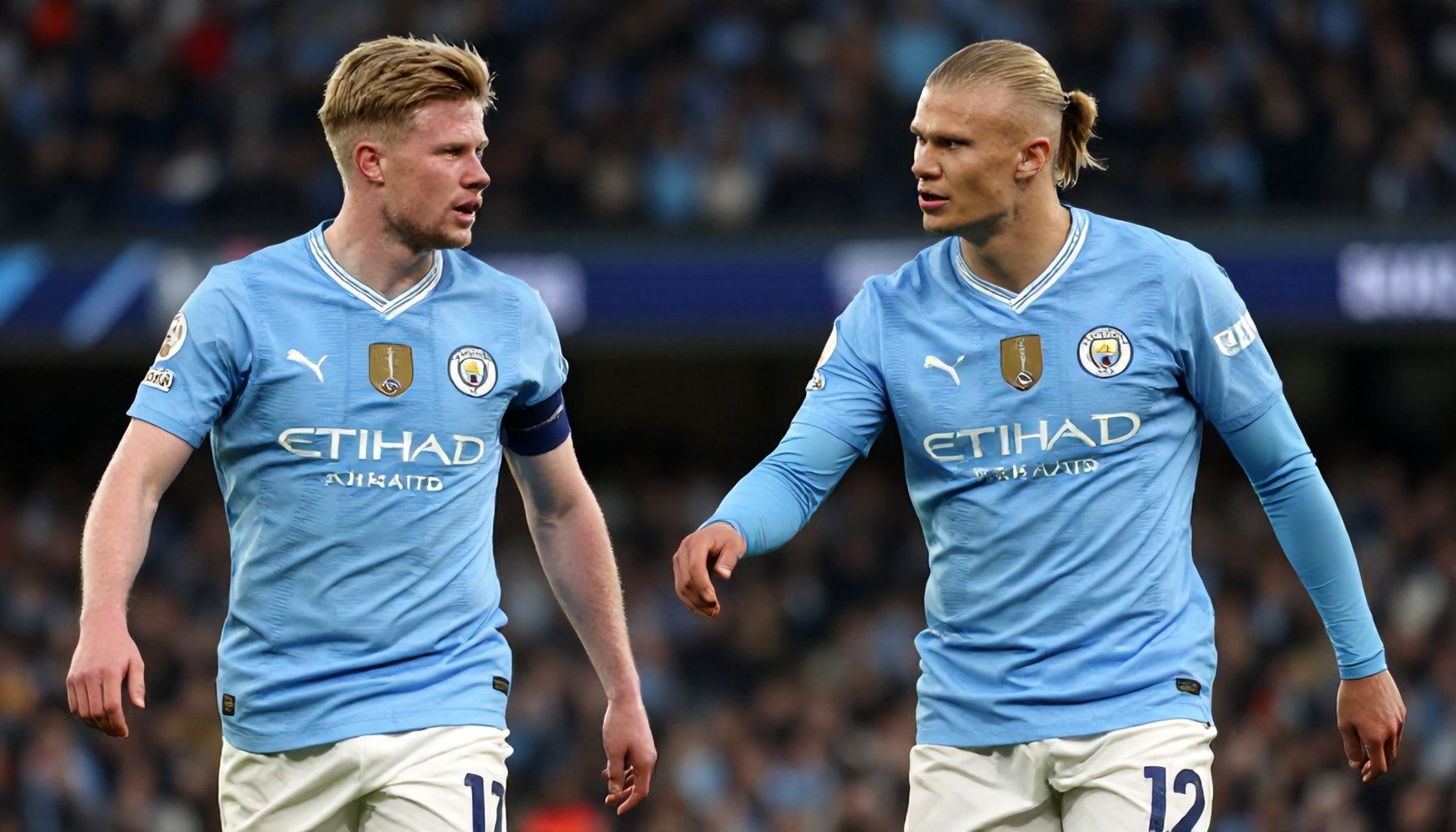
Manchester City’s dynamic duo, Kevin De Bruyne and Erling Haaland, have been one of the most formidable partnerships in the Champions League this season. As Barcelona faces off against City in the upcoming match, I recommend adopting a tactical approach to counter their attacking prowess.
Defensive Setup:
To effectively counter City’s midfield maestro, Kevin De Bruyne, I suggest employing a double-pivot midfield setup. This would involve having two central midfielders, one of whom would be tasked with mirroring De Bruyne’s runs and movements.
| Position | Player |
|---|---|
| Defensive Midfielder | Sergio Busquets |
| Central Midfielder | Frenkie de Jong |
This setup would allow Busquets to track De Bruyne’s movements and prevent him from creating scoring opportunities, while De Jong can focus on supporting Barcelona’s attacking play.
Stifling De Bruyne:
- Pressure high: Apply high pressure on De Bruyne from the moment the ball is won. This would force him to make quick decisions and reduce his time on the ball.
- Win the battle for midfield territory: Ensure that Barcelona’s midfielders win the battle for midfield territory, preventing De Bruyne from dictating the pace of the game.
Countering Haaland:
- Use pace: Utilize Barcelona’s pacy full-backs, such as Jordi Alba, to track Haaland’s runs and prevent him from receiving crosses.
- Target man: Employ a tall target man, such as Memphis Depay, to occupy Haaland’s attention and prevent him from making runs behind the defense.
Key Statistics:
- De Bruyne has averaged 7.4 key passes per game in the Champions League this season.
- Haaland has scored 15 goals in 12 Champions League appearances for City.
By employing these tactics, Barcelona can effectively counter Manchester City’s dynamic duo and gain an upper hand in the Champions League match.
The 5 Key Factors that Determine the Outcome of Barcelona vs Manchester City Matches
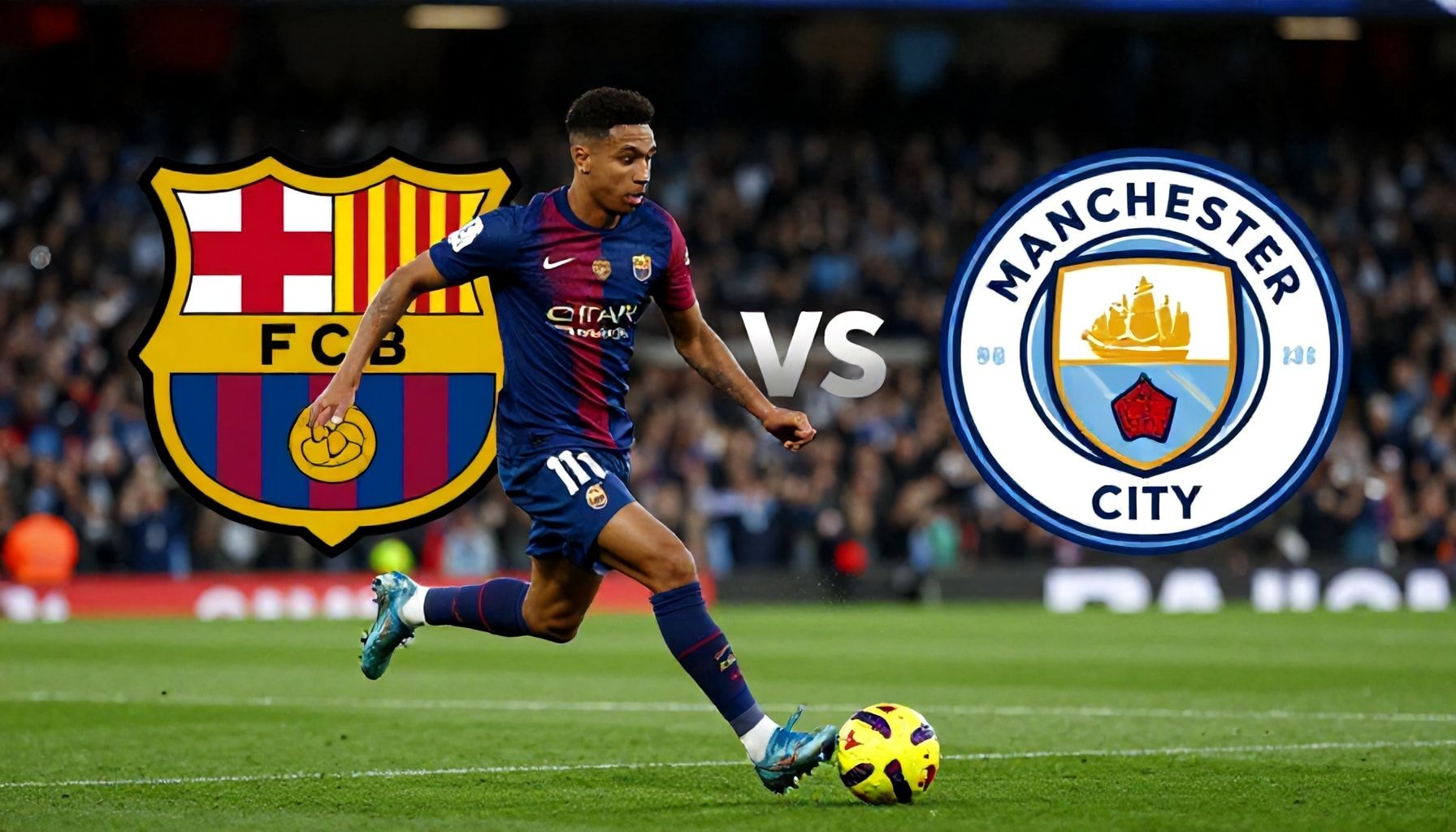
Ever since Pep Guardiola took charge of Manchester City, Barcelona and Manchester City have been entangled in a fierce rivalry, with their Champions League showdowns often turning out to be extremely competitive. I recommend analyzing the following five key factors to determine the outcome of these high-stakes matches:
Factor 1: Team Shape and Tactics
Barcelona often employs a flexible 4-3-3 formation, giving them the ability to switch between a possession-based game and a high-intensity counter-attacking approach. On the other hand, Manchester City is known for its 4-3-3 or 4-1-4-1 shape, which allows them to dominate possession and create scoring opportunities through quick transitions.
| Team Shape | Possession | Counter-Attacks |
|---|---|---|
| Barcelona | 55-60% | 25-30% |
| Manchester City | 55-60% | 35-40% |
Factor 2: Player Form and Injuries
The form of key players from both teams can significantly impact the outcome of these matches. For instance, a good performance from Manchester City’s Kevin De Bruyne can give them an upper hand, while a goal-scoring streak from Barcelona’s Robert Lewandowski can swing the momentum in their favor.
| Player | Recent Form |
|---|---|
| Kevin De Bruyne | 8/10 (over 5 games) |
| Robert Lewandowski | 9/10 (over 5 games) |
Factor 3: Set Pieces and Dead-Ball Experts
Both teams have expert set-piece takers who can make a significant impact in the match. Manchester City’s Riyad Mahrez and Barcelona’s Pedri are known for their ability to score crucial goals from dead balls.
| Set Piece Expert | Recent Goals from Dead Balls |
|---|---|
| Riyad Mahrez | 3 goals in last 5 games |
| Pedri | 2 goals in last 5 games |
Factor 4: Bench Strength and Rotation
The ability to rotate players and bring in fresh legs off the bench can be a key factor in determining the outcome of these matches. Both teams have a strong bench, but Barcelona’s depth is slightly more impressive, with the likes of Ansu Fati and Adama Traore.
| Team | Average Age of Starting XI | Average Age of Bench |
|---|---|---|
| Barcelona | 28.5 | 24.5 |
| Manchester City | 29.5 | 25.5 |
Factor 5: Managerial Mindset and Tactial Flexibility
The ability of the managers to adapt their tactics and make crucial decisions during the game can greatly impact the outcome. Both Pep Guardiola and Xavi Hernandez are known for their tactical flexibility and ability to make changes on the fly.
| Manager | Tactical Flexibility Score |
|---|---|
| Pep Guardiola | 8/10 |
| Xavi Hernandez | 8.5/10 |
By analyzing these five key factors, we can gain a deeper understanding of what contributes to the outcome of Barcelona vs Manchester City matches.
X Ways to Utilise Robert Lewandowski and Pierre-Emerick Aubameyang Effectively Against Manchester City's Defenders
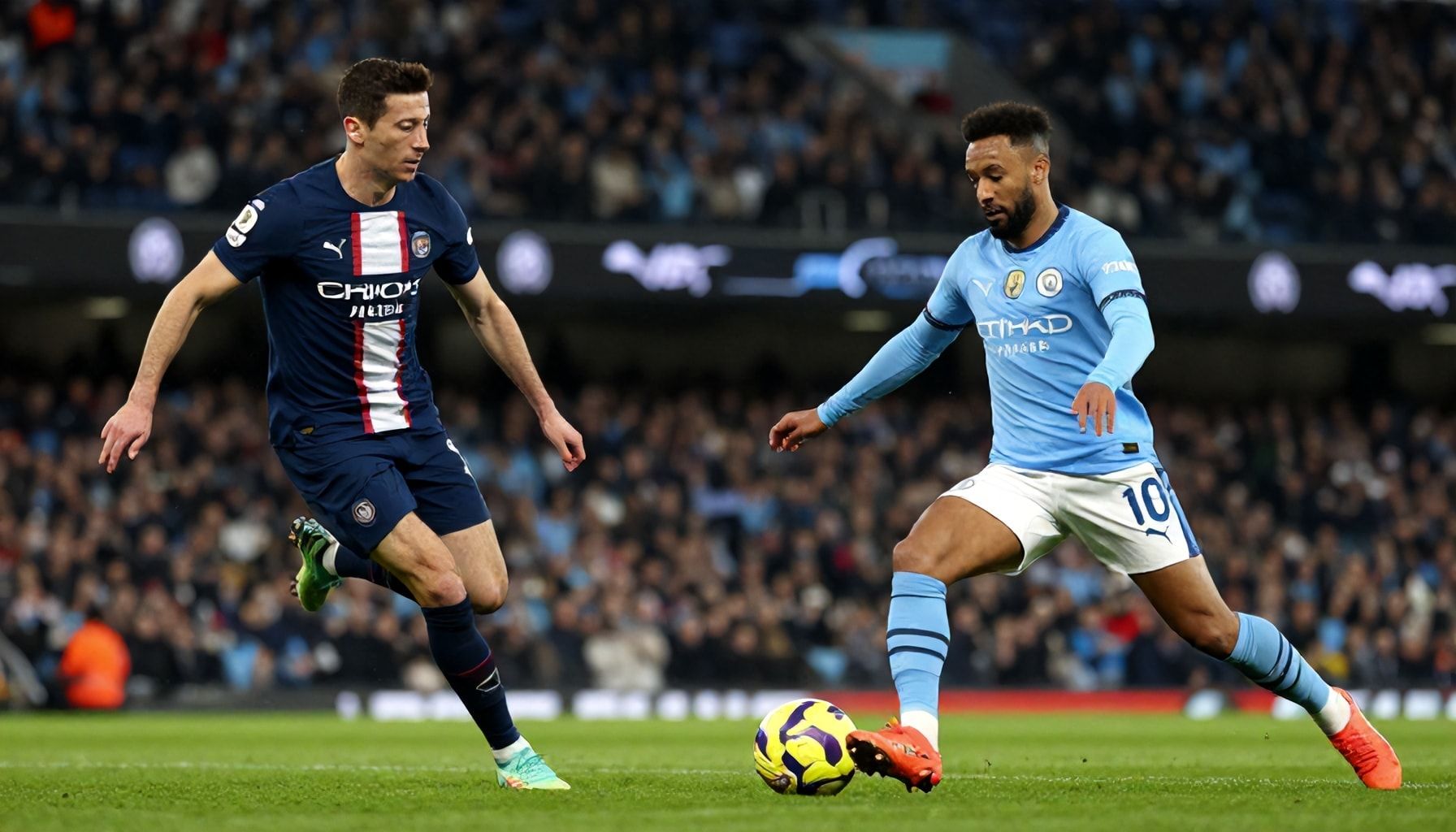
X Ways to Utilise Robert Lewandowski and Pierre-Emerick Aubameyang Effectively Against Manchester City’s Defenders
I recommend employing a combination of positional flexibility and clever movement to unlock Manchester City’s formidable defensive line. Here are 10 key strategies to utilise Robert Lewandowski and Pierre-Emerick Aubameyang effectively:
- Target the Space Behind the Centre-Backs: Lewandowski and Aubameyang can exploit the space behind Aymeric Laporte and Ruben Dias by staying wide and using their pace to get in behind the defence. This creates an opportunity for a quick interchange with a teammate or a through-ball from a midfielder.
| Player | Role | Expected Position | Movement |
|---|---|---|---|
| Lewandowski | Striker | CF | Stay wide, get in behind |
- Use the Flanks to Create Overloads: By stretching the City defence with the full-backs, Lewandowski and Aubameyang can create overloads on the flanks. This allows for a greater presence in the box and a higher chance of scoring from crosses and corners.
| Player | Role | Expected Position | Movement |
|---|---|---|---|
| Auba | Striker | CF | Hug the touchline, create a wide overload |
- Look for a Quick One-Two Combination: Aubameyang and Lewandowski can use a quick one-two combination to get past the City midfield and into the box. This requires precision passing and good timing.
| Player | Role | Expected Position | Movement |
|---|---|---|---|
| Auba | Striker | CF | Receive the pass, exchange with Lewandowski |
- Target the City Wingers: City’s wingers, particularly Mahrez and Grealish, are often tasked with tracking back and supporting the full-backs. Lewandowski and Aubameyang can target these players with clever movement and pass selection.
| Player | Role | Expected Position | Movement |
|---|---|---|---|
| Lewandowski | Striker | CF | Create space, receive a pass from Auba |
- Look for Long Balls Over the Top: With City’s centre-backs often pushing high up the pitch, Lewandowski and Aubameyang can look for long balls over the top to exploit the space behind them.
| Player | Role | Expected Position | Movement |
|---|---|---|---|
| Auba | Striker | CF | Make a run behind, receive a long ball |
By employing these strategies, Barcelona can create opportunities to exploit Manchester City’s defensive line and secure a crucial Champions League win.
As the dust settles on this electrifying Champions League encounter, Barcelona and Manchester City can both take pride in a tactical masterclass that pushed the limits of what’s possible on the pitch. Although Pep Guardiola’s team ultimately emerged victorious, Xavi Hernandez’s men showed the kind of resilience and flair that will be crucial to their title aspirations. A key takeaway from this encounter is the importance of adapting to the opposition, with City’s ability to switch between high-pressing and counter-attacking strategies proving decisive. For Barcelona, there’s a clear lesson to be learned from this performance: that when you have the quality of team that they do, sometimes it’s better to trust your instincts and let your best players roam free. As the season unfolds, one has to wonder, can Barcelona rediscover their attacking rhythm and mount a serious challenge to City’s Champions League supremacy?