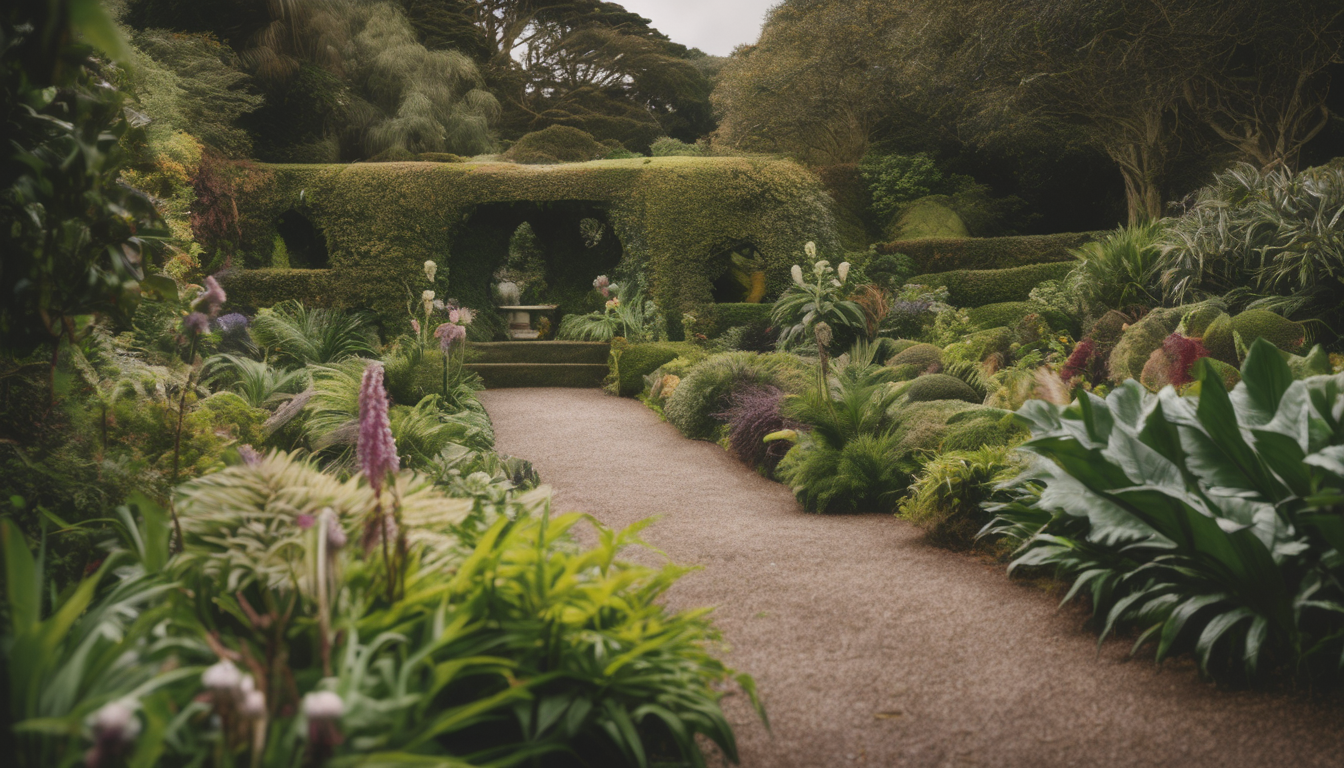
Few places in Britain capture the imagination quite like the Lost Gardens of Heligan. Forgotten for nearly a century, these gardens were rediscovered in the 1990s, unveiling a stunning tapestry of horticultural artistry and history hidden beneath overgrown wilderness. Nestled in Cornwall, the Lost Gardens of Heligan offer more than just a walk through beautiful landscapes—they provide a rare glimpse into the passions and lives of the Victorian gardeners who shaped them.
What makes the Lost Gardens of Heligan so extraordinary is their remarkable story of loss and revival. Once one of the most popular botanical gardens in England, they fell into neglect after World War I, largely abandoned as the original gardeners never returned from the war. Today, the gardens have been painstakingly restored to their former glory, blending wild nature with carefully curated plant collections. Visitors can explore exotic plants, ancient woodlands, and unique garden features that reveal centuries of craftsmanship.
The Lost Gardens of Heligan are a living museum, where every corner tells a story of resilience, creativity, and rediscovery. Whether you’re a history enthusiast, garden lover, or simply seeking a peaceful escape, this hidden gem offers an unforgettable experience steeped in both natural beauty and cultural heritage.
Why the Lost Gardens of Heligan Remain One of Britain’s Most Enchanting Secret Spots
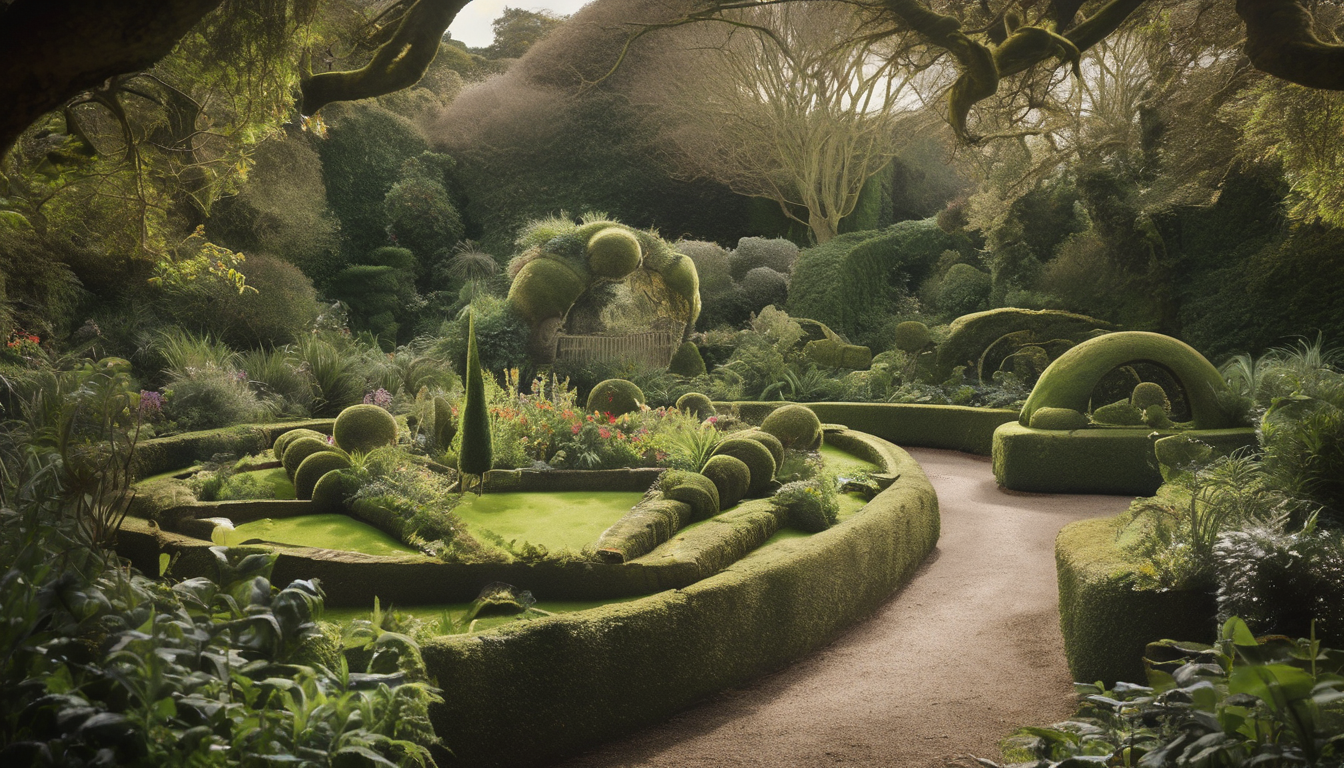
The Lost Gardens of Heligan, nestled in Cornwall, remain one of Britain’s most enchanting secret spots, and I wholeheartedly recommend a visit if you’re looking for a blend of history, mystery, and natural beauty. These gardens were lost to the world for nearly 70 years after World War I, only to be rediscovered and lovingly restored in the 1990s. The resurrection of this vast estate reveals not just an array of stunning plants but also a fascinating story of dedication and passion.
| Key Facts | Details |
|---|---|
| Location | Near Mevagissey, Cornwall |
| Size | Over 200 acres of gardens and woodland |
| Restoration Began | 1990, discovered by Tim Smit and John Nelson |
| Visitor Numbers | Approx. 200,000 annually |
What makes the Lost Gardens of Heligan so captivating is the sheer variety of landscapes you’ll encounter. From the wild jungle garden, brimming with exotic plants, to the serene Italian garden, each area tells a different chapter of Heligan’s story. I was particularly taken by the giant rhubarb and the cleverly restored Victorian glasshouses. You can also spot the famous “Mud Maid” and “Giant’s Head” sculptures, which add a whimsical touch and connect the gardens to local folklore.
- Jungle Garden: Exotic plants, giant rhubarb, and lush greenery
- Italian Garden: Formal planting, terraces, and water features
- Wild Garden: Woodland walks and a peaceful atmosphere
- Kitchen Garden: Traditional vegetable beds and orchards
For practical tips, I recommend setting aside at least three hours to explore properly. The gardens are best enjoyed during spring and summer when the blooms are at their peak. There’s a lovely café on site serving Cornish cream teas—a perfect way to rest after your walk. Also, don’t miss the Heligan House, which provides a glimpse into the estate’s history and the families who lived there.
| Visitor Tips | Details |
|---|---|
| Opening Times | Daily, 10am – 6pm (seasonal variations) |
| Admission | Adults £14.50, Children £7 (as of 2024) |
| Accessibility | Paths suitable for pushchairs and wheelchair users in some areas |
| Parking | On-site parking available (free for disabled badge holders) |
Ultimately, the Lost Gardens of Heligan offer more than just a stroll through beautiful landscapes—they provide a journey into a lost world, revived with care and creativity. Whether you’re a history buff, a garden enthusiast, or just after a peaceful retreat, Heligan is a timeless treasure worth discovering.
How to Explore the Lost Gardens of Heligan Like a True Botanical Detective
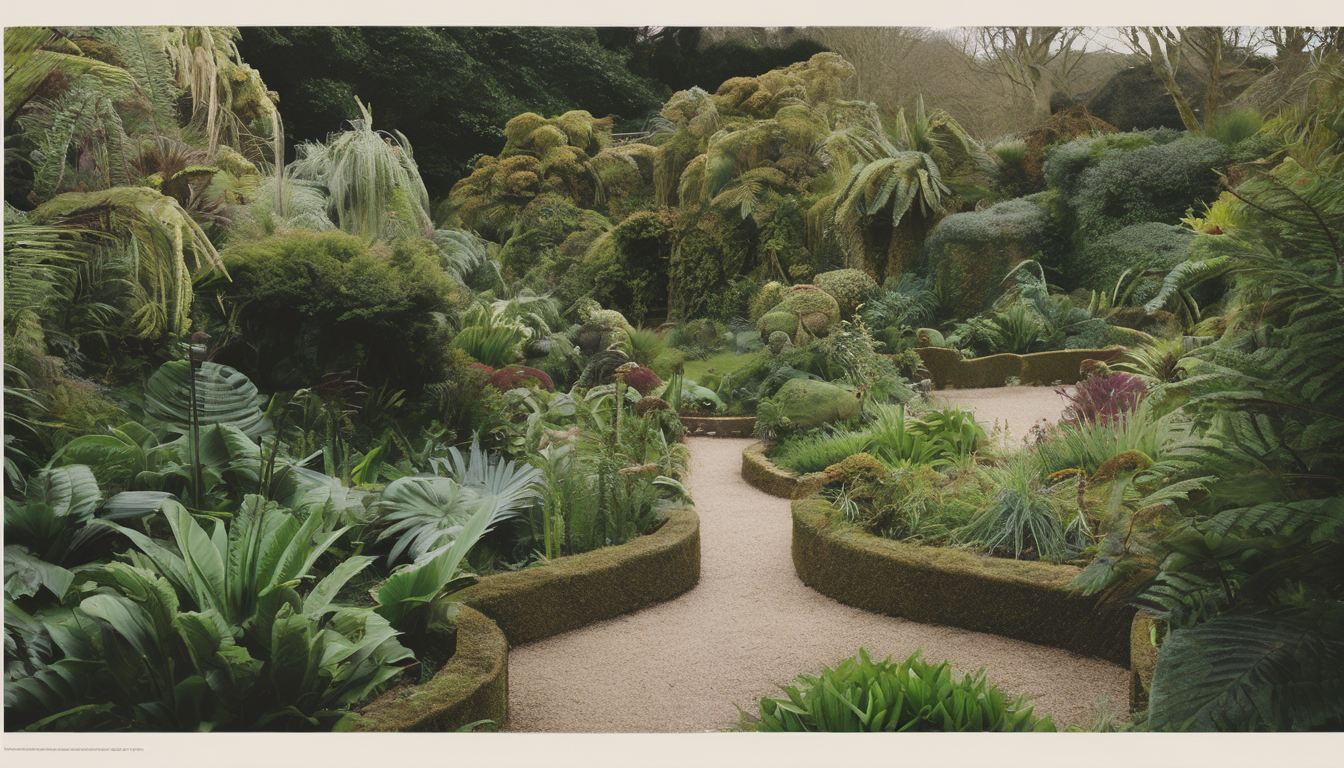
Exploring the Lost Gardens of Heligan feels like stepping back in time, uncovering secrets one step at a time. I recommend starting with the Jungle Walk, where you can spot exotic plants thriving in Cornwall’s mild climate. Use a magnifying glass or your phone’s zoom to examine the giant Gunnera leaves—some as wide as a dining table! Keep your eyes peeled for the subtle signs of the gardens’ revival, like the carefully rebuilt Victorian glasshouses.
| Section | What to Look For | Tip |
|---|---|---|
| Jungle Walk | Giant Gunnera, tree ferns, palms | Bring a magnifier to spot tiny insects and leaf details |
| Walled Garden | Heirloom vegetables, heritage fruit trees | Visit early morning for best light and fewer crowds |
| Cornish Hedge Maze | Traditional hedge craftsmanship | Use a map to avoid getting lost! |
Next, head to the Walled Garden, an area once forgotten but now flourishing with old varieties of fruit and vegetables. I always recommend timing your visit to catch the seasonal displays—spring brings daffodils and rhubarb, while autumn shows off apples and pumpkins. There’s a fascinating story behind how the gardeners rescued and propagated these plants, acting like true botanical detectives themselves.
- Ask about the “Muddy Boot Trail” to follow original gardening paths.
- Look for the “Pigsty” – a cleverly restored Victorian feature.
- Spot the bees buzzing around the wildflower borders.
Finally, don’t miss the Giant’s Head, a carved stone face hidden amongst the trees. It’s a symbol of the garden’s mysterious past and the local legends that surround it. I recommend taking a quiet moment here to listen for bird calls and imagine the garden’s silence during its decades of neglect. To really get the full detective experience, grab a garden map from reception and try piecing together the timeline of how this lost garden was rediscovered and restored.
- Pick up a map and guidebook at arrival.
- Follow clues in the garden plaques about plant origins.
- Visit the Heligan Nursery to see propagation in action.
Exploring the Lost Gardens of Heligan with curiosity and attention to detail transforms a simple walk into an immersive investigation. With over 200 acres to uncover, every visit brings new botanical mysteries to solve.
The Truth About the Restoration Journey That Brought Heligan Back to Life
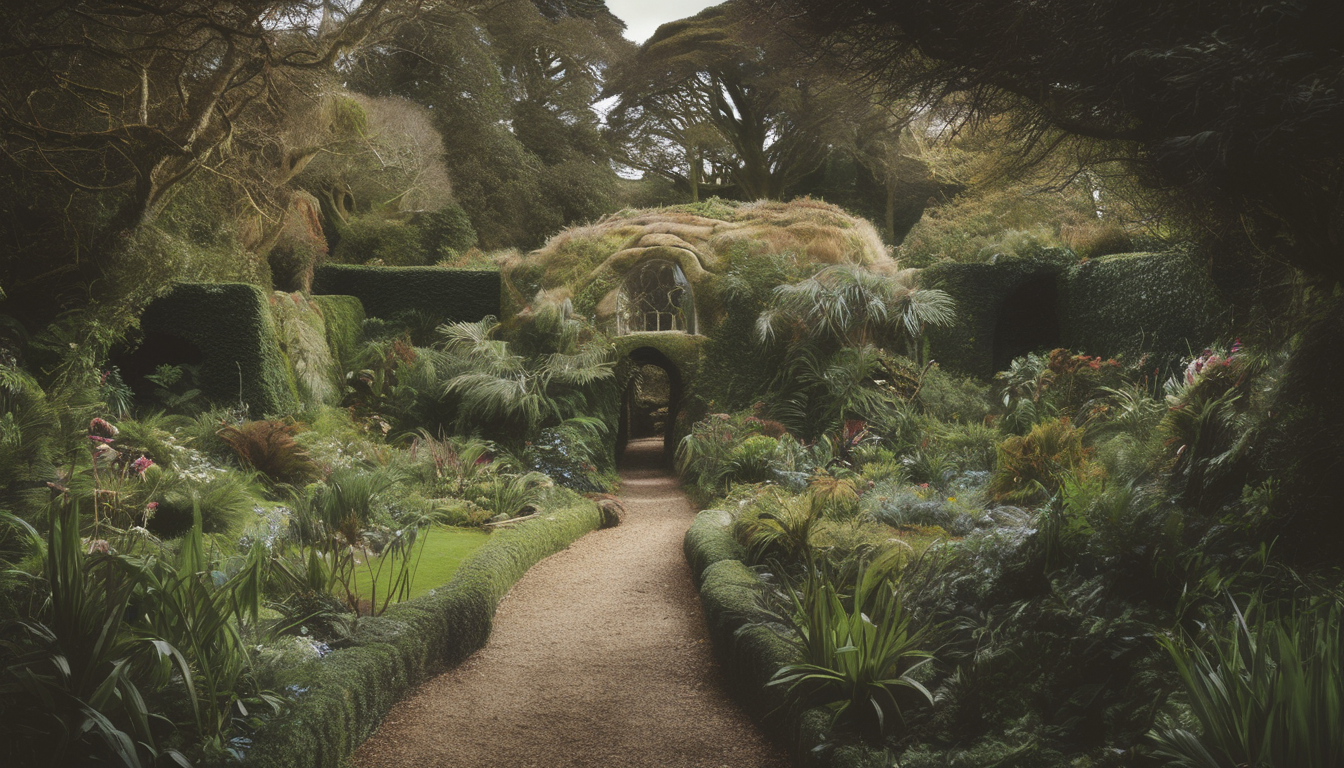
The Lost Gardens of Heligan, nestled in Cornwall, are often celebrated for their breathtaking beauty and mysterious aura. But the real story lies in the restoration journey that resurrected these gardens from near oblivion. After decades of neglect following World War I, the gardens were overgrown, forgotten, and deemed lost. It wasn’t until 1990 that a dedicated team, led by Tim Smit and John Nelson, embarked on a painstaking project that would bring Heligan back to life.
| Key Restoration Milestones | Year | Details |
|---|---|---|
| Initial Discovery | 1990 | Overgrown gardens found under thick ivy and brambles |
| Restoration Begins | 1991 | Clearing of woodland and planting of new species |
| Opening to Public | 1995 | Gardens officially reopened after extensive work |
One of the most fascinating parts of this restoration was the discovery of the “Mud Maid” and “Giant’s Head” sculptures, which are now iconic features. These weren’t part of the original gardens but were added during restoration to blend art with nature, enhancing visitor experience. I recommend you take time to spot these sculptures—they truly highlight how the team combined creativity with historical preservation.
- Over 200 acres restored
- More than 500 species of plants cultivated
- Hundreds of volunteers involved
Restoring Heligan wasn’t just about clearing weeds; it involved researching old maps, studying horticultural records, and understanding the original garden designs. The team used archive photographs and documents dating back to the late 19th century to guide their work. This attention to detail is why the gardens feel authentic rather than recreated.
| Restoration Techniques | Description |
|---|---|
| Archival Research | Studying historical documents and photos to guide planting and design |
| Traditional Horticulture | Using period-appropriate plants and cultivation methods |
| Volunteer Engagement | Community involvement to support labour and expertise |
For anyone visiting, I suggest allowing at least half a day to explore. The journey from decay to revival is palpable in every corner, from the wildflower meadows to the carefully tended vegetable patches. The restoration is a testament to patience, passion, and respect for heritage. Without the determined efforts of the restoration team, the Lost Gardens of Heligan might have remained a forgotten relic.
X Ways the Lost Gardens of Heligan Showcase Rare and Exotic Plant Species
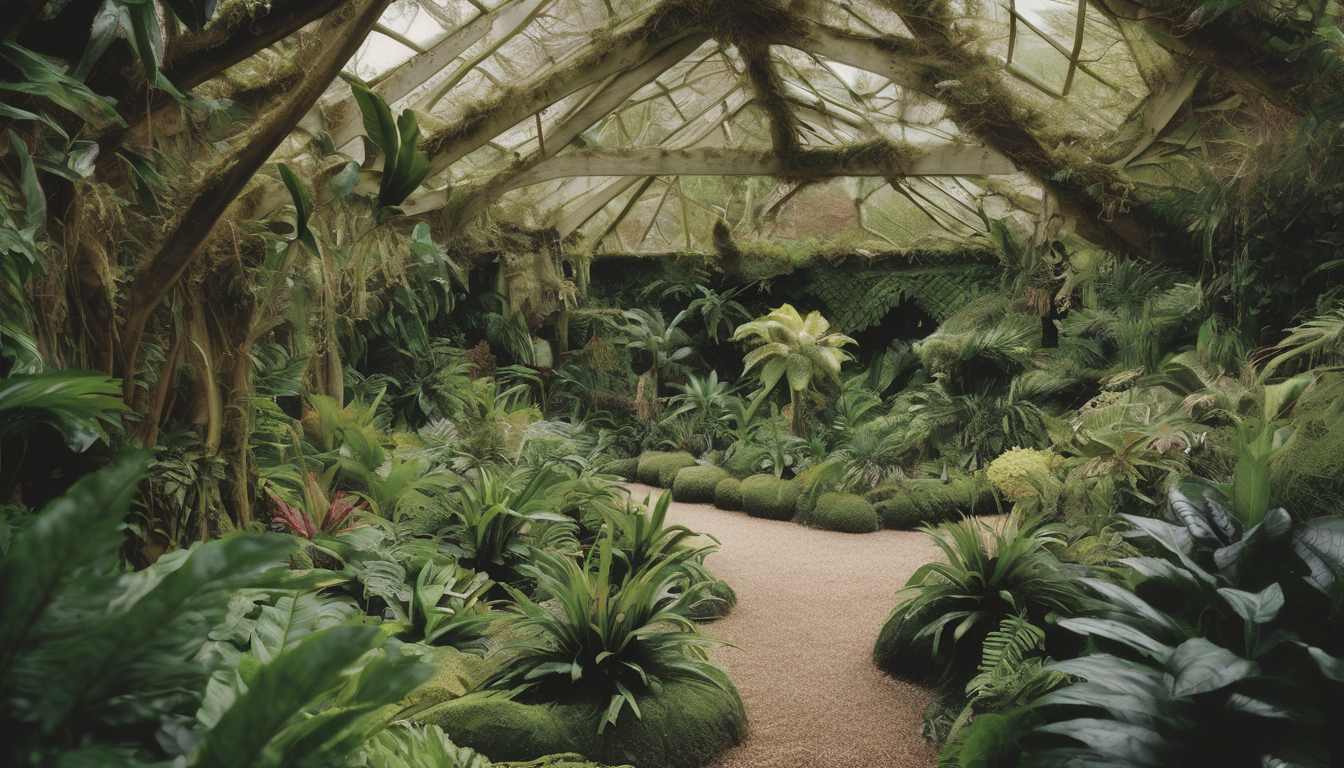
The Lost Gardens of Heligan are a true botanical treasure trove, showcasing an astonishing variety of rare and exotic plant species that you won’t easily find elsewhere. I recommend setting aside a good few hours to explore its diverse sections, each packed with unique flora that tells a story of horticultural passion and historical intrigue.
| Plant Species | Origin | Notable Feature |
|---|---|---|
| Giant Redwood (Sequoiadendron giganteum) | California, USA | One of the world’s tallest tree species, planted in the 19th century |
| Tree Ferns (Dicksonia antarctica) | Australia | Creates an ancient forest atmosphere in the Jungle area |
| Rhododendrons | Asia | Vibrant blooms that add colour throughout spring |
One of the most fascinating aspects is the Jungle, a wild, humid corner where subtropical plants like tree ferns and bamboo thrive. This area offers a rare glimpse into a temperate rainforest environment – a stark contrast to the rest of Cornwall’s landscape. I found the lush greenery almost hypnotic, a perfect spot for photographers or anyone wanting to escape into nature’s embrace.
- Tree Ferns creating a prehistoric feel
- Bamboo groves reaching impressive heights
- Exotic vines entwining ancient trees
The Heligan estate also features an impressive collection of camellias, some dating back over 150 years. These plants originated from Asia and have been carefully nurtured to bloom spectacularly each year. Visiting during late winter or early spring means you’ll catch these beautiful flowers at their peak.
- Camellia japonica
- Known for large, rose-like flowers and glossy leaves
- Camellia reticulata
- Rare variety prized for its unique petal shapes and colours
Finally, don’t miss the walled gardens, which house a range of tender plants usually seen only in glasshouses. Heligan’s mild microclimate allows these exotic species to flourish outdoors, including banana plants and Mediterranean herbs. I recommend checking the seasonal planting schedule to catch the garden at its most vibrant.
- Banana plants with their broad, tropical leaves
- Olive trees and fig plants thriving in sheltered spots
- Herbs like rosemary and lavender adding fragrance and texture
Why Visiting the Lost Gardens of Heligan Offers More Than Just Stunning Scenery
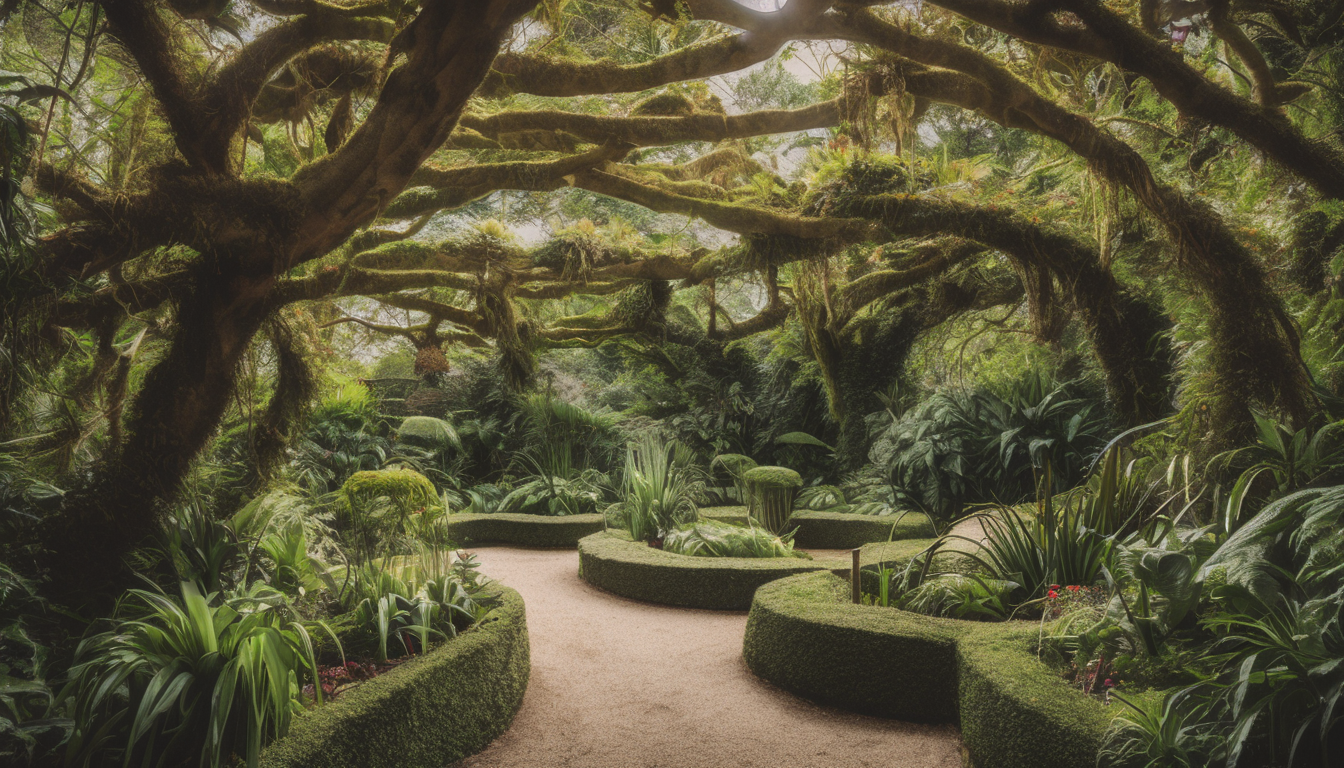
Visiting the Lost Gardens of Heligan offers more than just stunning scenery; it’s a journey through history, nature, and restoration that truly captivates. I recommend setting aside at least half a day to explore this 200-acre estate nestled in Cornwall. The gardens are a perfect blend of wild beauty and meticulous horticultural design, brought back to life after being lost for nearly a century. You’ll find yourself wandering through the Jungle, a sub-tropical wonderland filled with towering tree ferns and bamboo, which feels worlds away from the English countryside.
| Feature | Description | Approximate Size |
|---|---|---|
| The Jungle | A sub-tropical garden with exotic plants and lush greenery | Over 10 acres |
| The Walled Garden | Traditional vegetable and flower garden with historic glasshouses | 5 acres |
| The Arboretum | Collection of rare trees and shrubs, ideal for walks | Several acres |
One aspect that truly sets Heligan apart is its fascinating history. The gardens were abandoned after World War I, as many of the gardeners never returned from the war. Rediscovered in the 1990s, the restoration project has breathed new life into the landscape, with many original features carefully preserved. I found the Heligan ‘Mud Maid’ and ‘Giant’s Head’ sculptures especially enchanting—these living art pieces blend natural elements with creativity, providing perfect photo opportunities.
- Learn about WWI history through guided tours
- Discover the Victorian gardening techniques still used today
- Enjoy seasonal events like bluebell walks and Christmas markets
The gardens also offer excellent amenities, including a café serving fresh, locally sourced food and a well-stocked gift shop featuring plants propagated on-site. For families, there’s plenty to keep children entertained, including a play area and interactive trails that make exploring educational and fun. If you’re into birdwatching or photography, bring your binoculars and camera—you might spot kingfishers, herons, or rare orchids.
| Tip | Details |
|---|---|
| Best Time to Visit | Spring and early summer for flowers; autumn for vibrant foliage |
| Admission | Adults £17, Children £8 (check website for updates) |
| Accessibility | Paths are mostly accessible, but some areas are rugged |
| Parking | On-site parking available, but can fill up on busy days |
Overall, the Lost Gardens of Heligan provide an immersive experience that connects you with nature, history, and art in a way few other gardens can. Whether you’re a gardening enthusiast, history buff, or simply looking for a peaceful escape, this remarkable place offers so much more than just beautiful views.
Exploring the Lost Gardens of Heligan offers a captivating journey through time, where nature’s resilience and human creativity intertwine to create a truly enchanting experience. From the vibrant blooms to the restored Victorian structures, every corner reveals stories waiting to be uncovered. For those planning a visit, arriving early in the day can provide a peaceful atmosphere to fully appreciate the gardens before they become lively with visitors. As seasons change, the gardens transform, promising new sights and surprises each time you return. What hidden treasures might you discover on your next stroll through this remarkable landscape?