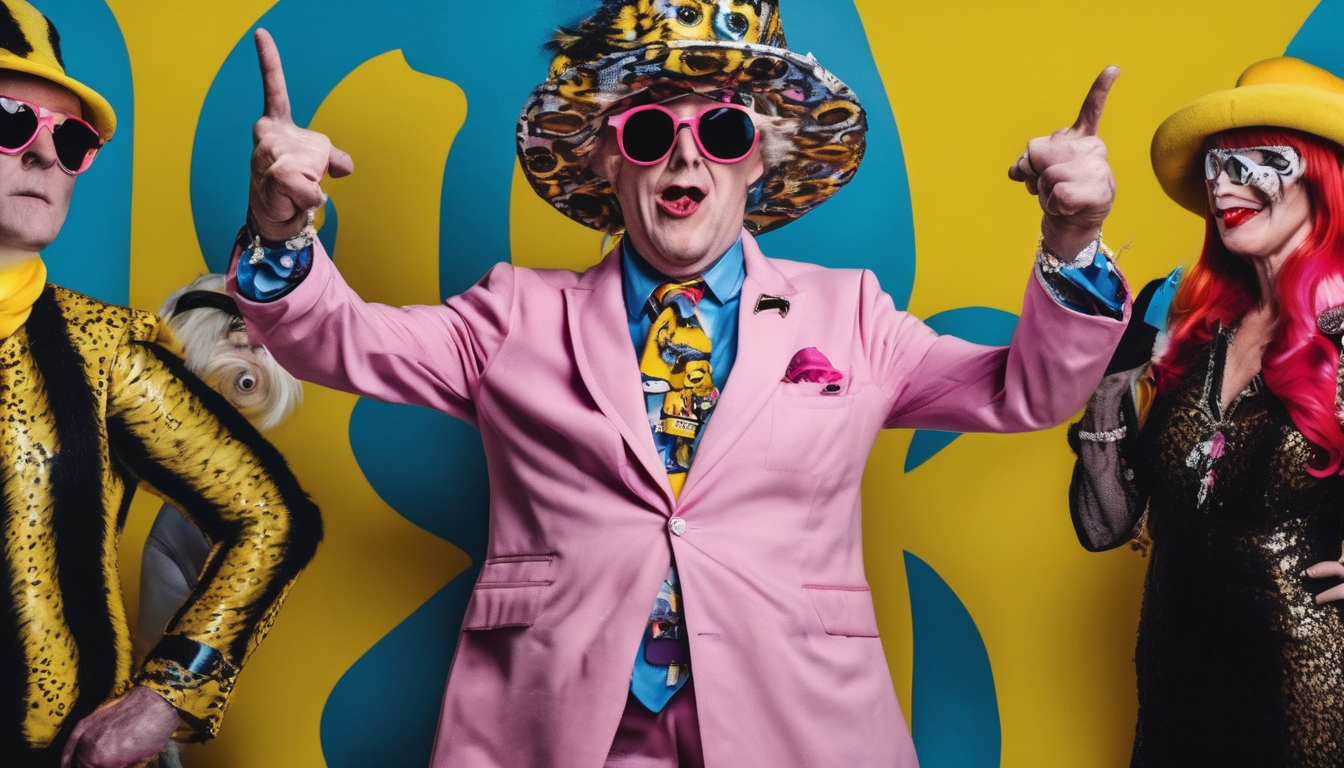
Ever heard of a political party that promises free bananas for schoolchildren, or turning the London Underground into a giant trampoline? The Monster Raving Loony Party isn’t your typical political group – it’s a witty, eccentric force that’s been shaking up British politics since 1983. Founded by the late Screaming Lord Sutch, it’s less about winning seats and more about challenging the status quo with humour and absurdity. But don’t be fooled; beneath the jokes lies a sharp critique of mainstream politics that resonates with voters disillusioned by the usual rhetoric.
The Monster Raving Loony Party has carved out a unique niche, blending satire with genuine political commentary. Their outlandish policies highlight real issues, often exposing the quirks and contradictions of traditional parties. Over the years, they’ve attracted a cult following, proving that politics doesn’t always have to be dull or divisive. By embracing the ridiculous, they invite people to rethink political engagement and consider fresh perspectives. Whether you see them as jesters or clever commentators, the Monster Raving Loony Party remains a fascinating reminder that there’s always room for a bit of madness in democracy.
Why the Monster Raving Loony Party Challenges Traditional Politics
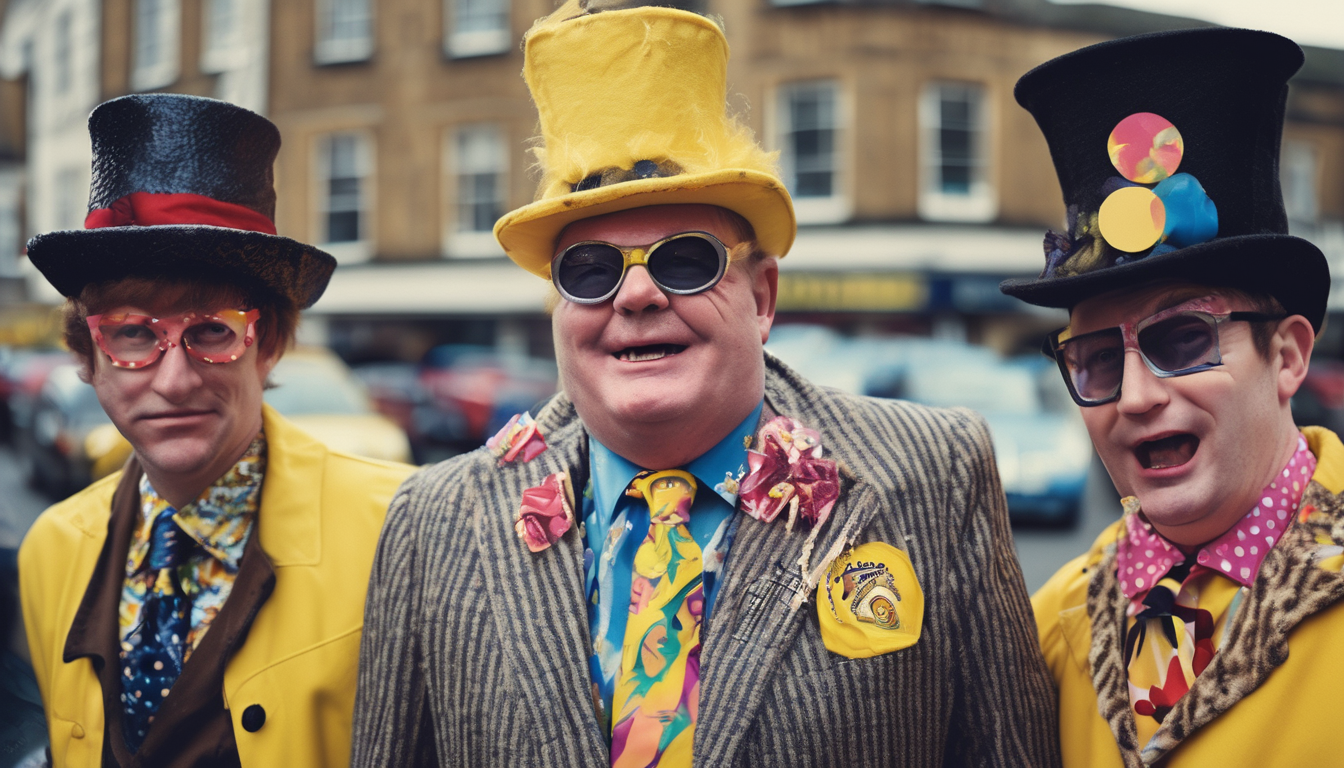
The Monster Raving Loony Party (MRLP) has been shaking up traditional UK politics since its inception in 1983. Unlike mainstream parties that focus heavily on policies, the MRLP uses satire and humour to highlight the absurdities within the political system. What makes them stand out is their ability to challenge the status quo without the usual political jargon or serious posturing. I recommend paying attention to how their approach offers a refreshing perspective on political engagement.
| Aspect | Traditional Politics | Monster Raving Loony Party |
|---|---|---|
| Approach | Serious, policy-driven | Humorous, satirical |
| Engagement | Formal campaigning | Entertainment mixed with politics |
| Policy Focus | Pragmatic, detailed | Absurd, yet thought-provoking |
One practical example is their manifesto proposals, which often sound ridiculous on the surface but carry an underlying critique. For instance, they’ve suggested replacing MPs with circus performers or introducing “levitation” as a means of public transport. While no one expects these ideas to be implemented, they cleverly expose the flaws and sometimes the stagnation within political debates.
- Raises awareness through humour
- Engages voters disillusioned with politics
- Encourages critical thinking about political norms
Moreover, the MRLP’s participation in elections, despite never winning a seat, serves as a reminder that democracy can embrace diverse voices, even those that don’t fit the traditional mould. In the 2019 general election, for example, they fielded 15 candidates, ensuring their quirky messages reached a broader audience.
| Year | Number of Candidates | Notable Policy |
|---|---|---|
| 1983 | 3 | Ban on grey squirrels |
| 1997 | 12 | Introduction of “Loony Land” theme parks |
| 2019 | 15 | Free bus travel for penguins |
In summary, the Monster Raving Loony Party challenges traditional politics by blending entertainment with political activism. I find their approach not just amusing but also an effective tool to provoke thought and encourage political participation among those who might otherwise feel alienated by conventional politics.
How to Understand the Quirky Policies of the Monster Raving Loony Party
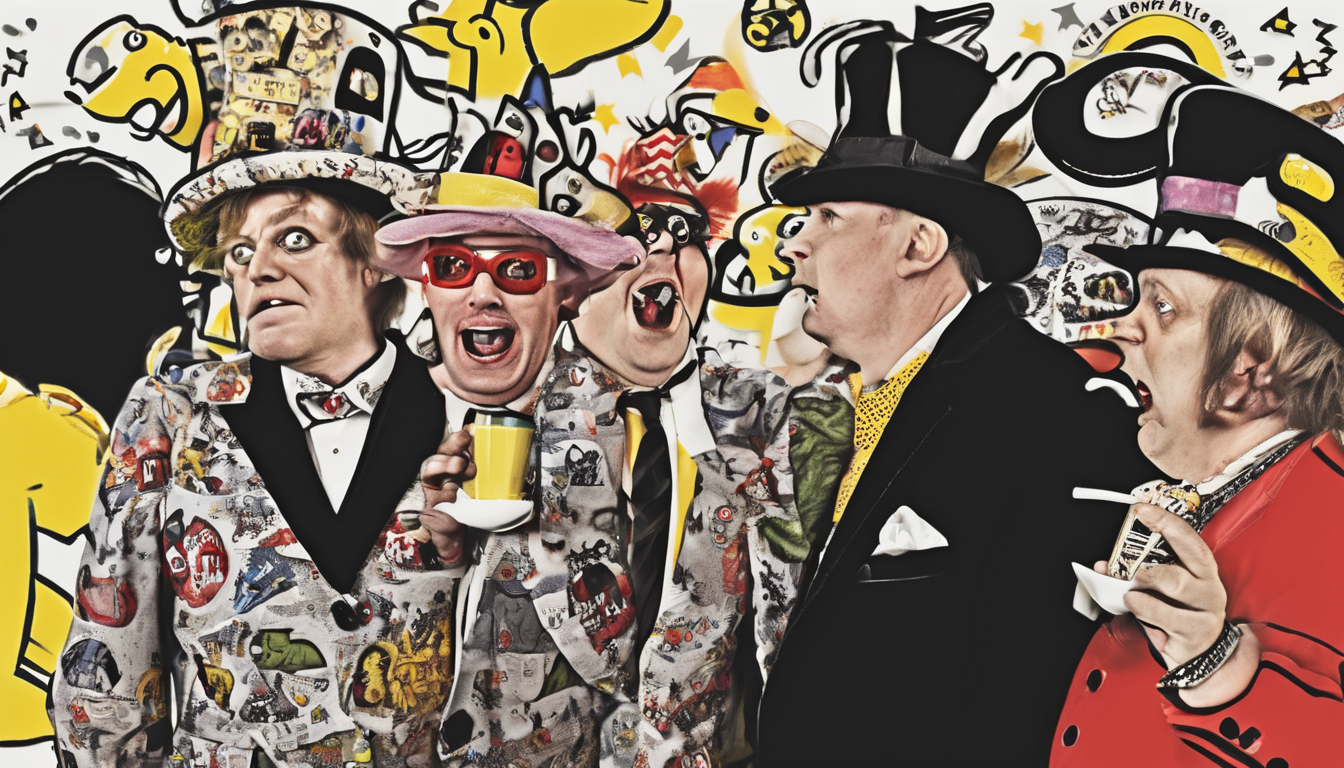
The Monster Raving Loony Party (MRLP) has been a quirky staple of British politics since its founding in 1983 by musician and satirist Screaming Lord Sutch. Understanding their policies requires a shift from conventional political analysis to appreciating satire and humour as tools for commentary. Their proposals often highlight absurdities in mainstream politics by exaggerating or inventing eccentric ideas. For example, they once suggested replacing the House of Lords with a giant chocolate cake to promote “sweet” decisions. I recommend approaching their manifesto with an open mind and a sense of humour to truly grasp their underlying messages.
| Policy | What It Means | Underlying Message |
|---|---|---|
| “Ban all music except the Loony Party theme tune” | Ridiculous, obviously not serious | Critiques over-regulation and censorship |
| “Make all politicians wear clown costumes” | Humorous visual metaphor | Highlights perceived foolishness in politics |
| “Replace speed cameras with laughter sensors” | Absurd technological proposal | Mocks intrusive surveillance laws |
The party’s manifesto isn’t a standard political document but a collection of comedic proposals designed to provoke thought. They often use exaggeration to spotlight real issues. For example, their calls for “free custard creams for pensioners” poke fun at tokenistic welfare policies, reminding us that genuine support is needed rather than gimmicks. I suggest reading their manifestos alongside mainstream ones to spot parallels and contrasts.
- Don’t take every policy at face value – look for satire.
- Consider historical context: many policies respond to specific political events.
- Note the use of absurdity to critique serious topics like bureaucracy and inequality.
Understanding the Monster Raving Loony Party means recognising their role as political jesters. They provide comic relief but also sharp social critique. Their oddball policies are less about governance and more about encouraging voters to question political norms. I find that discussing their policies with others often sparks engaging conversations about the state of politics and the need for change, even if the proposals themselves are never meant seriously.
The Truth About the Origins and Impact of the Monster Raving Loony Party
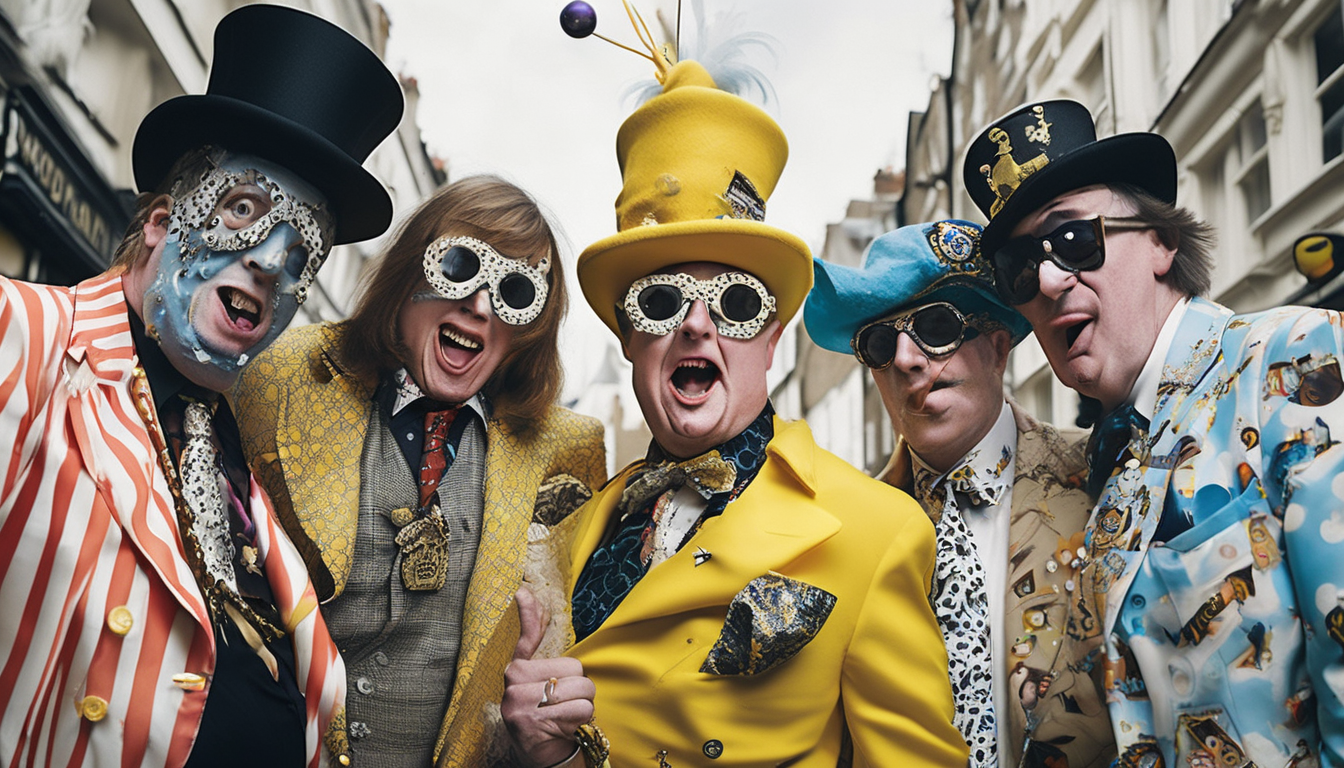
The Monster Raving Loony Party (MRLP) is one of the quirkiest political groups in the UK, often seen more as a source of entertainment than serious politics. Founded in 1983 by musician and comedian Screaming Lord Sutch, the party quickly gained attention for its satirical take on the political system. The MRLP’s origins lie in a desire to poke fun at the often dull and serious nature of mainstream politics, using absurd and humorous policies to highlight real issues.
| Year | Event |
|---|---|
| 1983 | Founded by Screaming Lord Sutch |
| 1999 | Sutch passed away; leadership passed to Alan “Howling Laud” Hope |
| 2000s | Continued participation in local and national elections |
One practical insight I recommend is understanding the MRLP’s role in British politics as more than just comedic relief. While their manifestos include proposals like “free beer and sex for pensioners,” they use humour to engage younger voters and challenge political apathy. This strategy has helped keep electoral politics accessible and sparked conversations about political reform.
- Known for absurd, humorous policies
- Engages voters through satire
- Participates in local and general elections
- Focuses on political awareness
Despite never winning a seat in Parliament, the MRLP has made a surprising impact by influencing political discourse. For example, some of their outlandish ideas have inspired real policies or drawn attention to overlooked issues, such as calls for environmental protection long before it became mainstream. Their participation in elections often garners thousands of votes, proving there’s a segment of the population hungry for alternative voices.
| Impact | Example |
|---|---|
| Highlighting political apathy | Thousands vote for MRLP candidates as protest |
| Influencing political debates | Early environmental proposals |
| Encouraging voter engagement | Humorous campaigns attract younger voters |
X Ways the Monster Raving Loony Party Brings Humour to Serious Issues
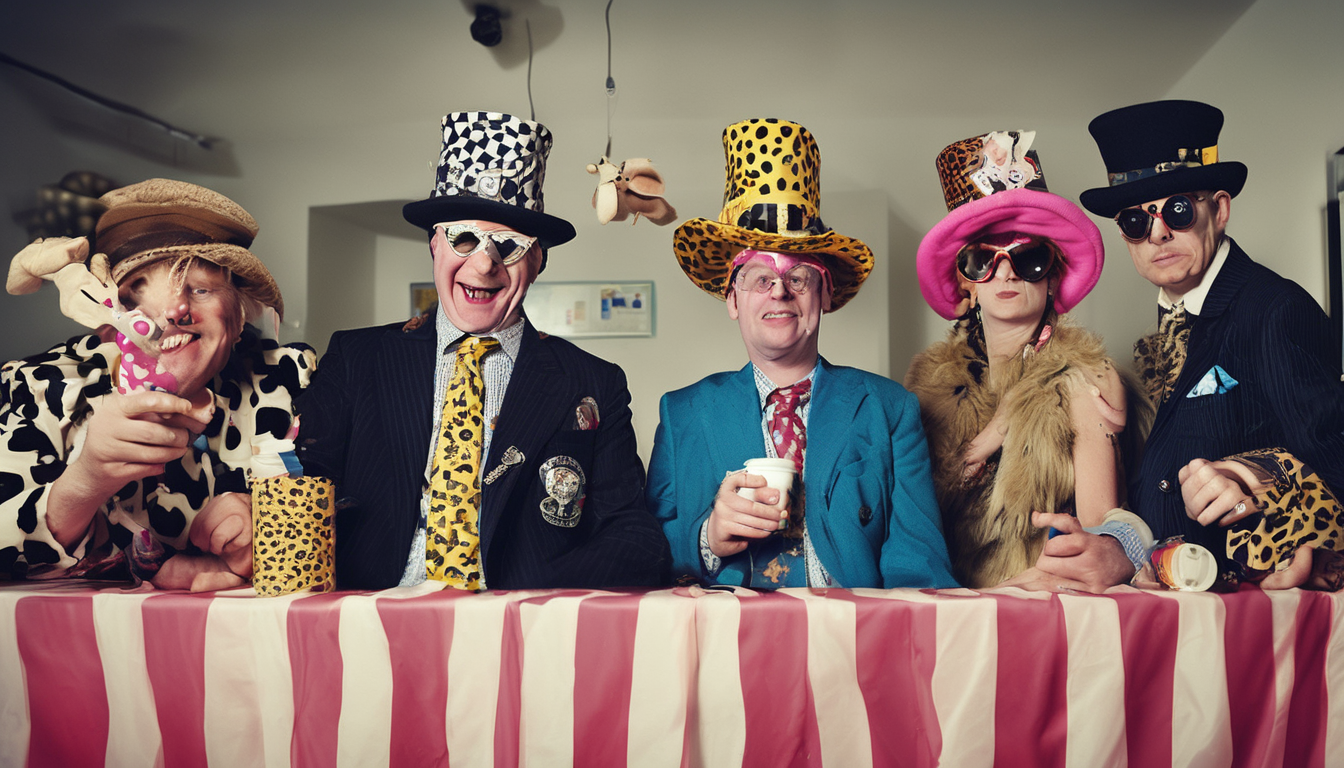
The Monster Raving Loony Party (MRLP) has been shaking up British politics since the 1980s, not with conventional policies but with an abundance of humour and wit. They tackle serious issues by cleverly disguising them in absurdity, making people think while they laugh. For instance, the party once proposed a “Sofa Tax” to highlight unfair taxation policies, poking fun at government revenue schemes but also sparking genuine debate about tax fairness.
| Example | Humorous Policy | Serious Issue Highlighted |
|---|---|---|
| 1997 Election | “Putting Right the Wrongs of the Right” – free buses for all | Public transport accessibility and social equality |
| 2001 Election | “Ban the Beach” to stop sand theft | Environmental protection and resource conservation |
I recommend paying attention to how the MRLP uses satire to engage voters. Their approach softens the dryness of political debates, inviting even the most indifferent to join the conversation. The party’s candidates often wear silly costumes and sport outlandish slogans, which isn’t just for laughs—it’s a strategic move to grab headlines and draw attention to overlooked problems.
- Use of absurd policy ideas to spotlight real issues
- Engaging visual comedy with costumes and props
- Mocking bureaucracy to question government inefficiency
One practical insight from the MRLP’s approach is how humour can serve as a tool to bypass political apathy. In a world where people often feel disconnected from politics, the party’s entertaining antics encourage participation by making politics accessible and relatable. For example, their manifesto often includes genuinely helpful ideas hidden among the jokes, proving that laughter doesn’t exclude seriousness.
| Humour Technique | Purpose | Effect |
|---|---|---|
| Exaggeration | To highlight absurdities in current policies | Provokes thought and discussion |
| Sarcasm | To question government decisions | Encourages critical thinking |
| Visual Gags | To attract media attention | Raises awareness |
Ultimately, the Monster Raving Loony Party brings humour to serious issues by blending comedy with political critique. Their unique style reminds us all that politics doesn’t always have to be dull and that sometimes the best way to shine a light on problems is to make people smile first.
How the Monster Raving Loony Party Influences British Political Culture
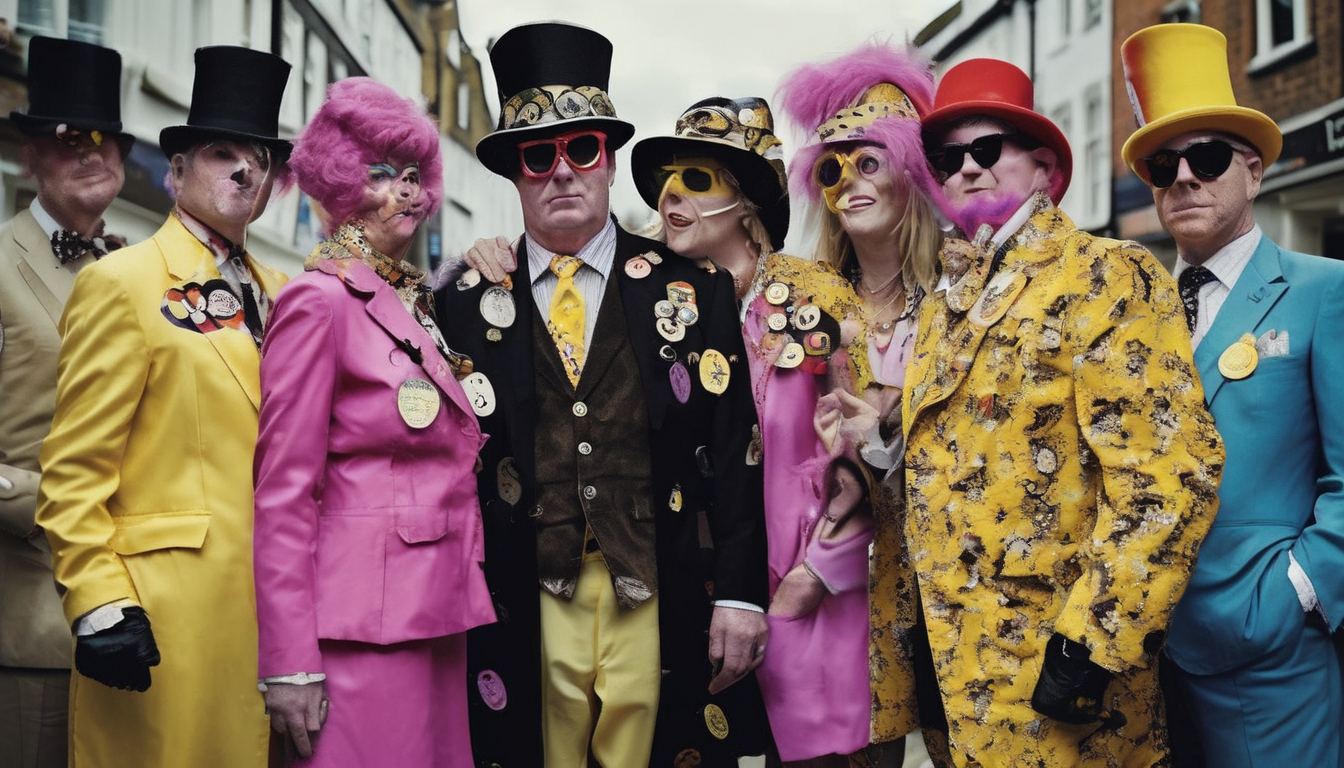
The Monster Raving Loony Party (MRLP) might seem like a joke to some, but their influence on British political culture is surprisingly significant. Founded in 1983 by musician and satirist Screaming Lord Sutch, the party uses humour and absurdity to highlight the quirks and frustrations of mainstream politics. While they’ve never won a seat in Parliament, their presence shakes up the political landscape, reminding voters and politicians alike not to take things too seriously.
| Aspect | Impact | Example |
|---|---|---|
| Political Satire | Exposes absurdities in policies | Proposed “passports for pets” to highlight bureaucratic excess |
| Voter Engagement | Encourages participation through humour | Attracts protest votes during general elections |
| Media Attention | Brings light-hearted coverage to serious issues | Often featured in election night broadcasts |
I recommend looking at how the MRLP’s quirky policies actually provoke debate. For example, their ridiculous manifesto pledges, like “free bicycles for everyone”, serve a dual purpose: they entertain and provoke serious discussions about transport and environmental policies. This approach breaks down barriers and makes politics accessible, especially to younger voters who might otherwise feel alienated.
- Uses absurdity to highlight political issues
- Promotes voter turnout by making politics fun
- Challenges the establishment with creative protest
- Maintains a continuous presence in UK elections
Another practical insight is how the MRLP’s campaigning style influences local politics. Their candidates often show up at small community events, engaging directly with voters in ways larger parties sometimes overlook. This grassroots approach, combined with their humour, can increase political literacy and encourage democratic participation.
- Grassroots engagement boosts local political awareness
- Use of satire encourages critical thinking about policies
- Maintains visibility through colourful, memorable campaigns
In short, the Monster Raving Loony Party adds a valuable dimension to British political culture. By blending comedy with critique, they remind us that politics can be both serious and entertaining. Their role as political jesters keeps the system honest and accessible, proving that even the most outlandish ideas can spark meaningful conversations.
The Monster Raving Loony Party stands out as a colourful and unconventional force in British politics, blending humour with genuine political commentary. Their ability to challenge traditional norms through satire invites voters to reflect on the often rigid nature of mainstream parties. While their approach may seem light-hearted, it encourages a refreshing perspective on democracy and public engagement. If you’re curious to explore politics beyond the usual seriousness, keeping an eye on the Loony Party’s campaigns might offer unexpected insights and a good dose of entertainment. As political landscapes continue to evolve, one might wonder how such alternative voices will influence future discussions and whether their unique style could inspire broader changes in political dialogue.