Easter Celebrations Around the World: A Diverse Tapestry of Traditions
Easter, a festival celebrated by millions around the globe, is a time of joy, reflection, and diverse cultural practices. While the religious significance remains a common thread, the ways in which different communities observe this holiday vary widely. From the solemn processions in Spain to the vibrant egg hunts in the United States, Easter is a testament to the rich tapestry of human culture and tradition.
The Religious Significance of Easter
At its core, Easter is a Christian holiday commemorating the resurrection of Jesus Christ. It is a time of spiritual renewal and celebration, marked by church services, prayers, and religious rituals. The week leading up to Easter, known as Holy Week, includes significant events such as Palm Sunday, Maundy Thursday, Good Friday, and Holy Saturday. Each of these days holds deep religious significance and is observed with various customs and traditions.
Easter Traditions in Different Cultures
Easter traditions vary greatly from one culture to another. In Greece, for example, the midnight Resurrection service is a highlight, where the words ‘Christos Anesti’ (Christ is Risen) echo through the streets. In the Philippines, the reenactment of the crucifixion of Jesus is a powerful and moving tradition. Meanwhile, in the United Kingdom, the Easter bonnet parade is a beloved event where participants don elaborate hats adorned with flowers and ribbons.
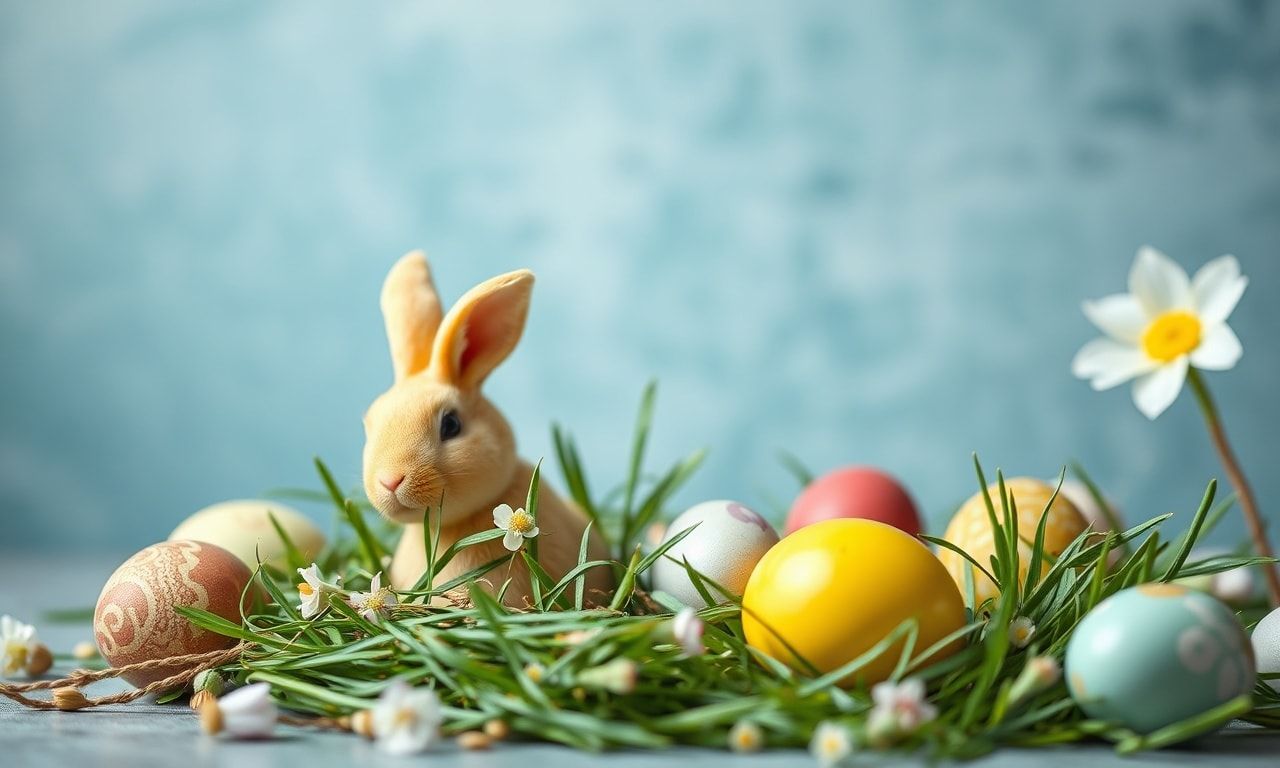
In the United States, Easter is often associated with the Easter Bunny and egg hunts, particularly for children. Families gather to hide colorful eggs filled with candy and small toys, creating a festive and joyful atmosphere. The Easter Bunny, a symbol of fertility and new life, delivers these eggs and is a central figure in many American Easter celebrations.
For those interested in the specific customs of the Catholic faith, Catholic Easter traditions explained provides a comprehensive overview. This resource delves into the rituals and practices that have been passed down through generations, offering a deeper understanding of the holiday’s significance within the Catholic Church.
The Role of Food in Easter Celebrations
Food plays a crucial role in Easter celebrations around the world. In Italy, Colomba di Pasqua, a dove-shaped cake, is a traditional Easter treat. In Poland, the basket of Easter foods, known as ‘Swieconka,’ is blessed in church and includes items like ham, eggs, and bread. In Mexico, Capirotada, a bread pudding-like dessert, is a traditional Easter dish symbolizing the elements of the Passion of Christ.
In many countries, Easter is also a time for family gatherings and feasts. Special meals are prepared, often featuring lamb, a symbol of sacrifice and renewal. These gatherings provide an opportunity for families to come together, share stories, and celebrate the holiday in a spirit of unity and joy.
Easter and the Arrival of Spring
Easter’s timing, which coincides with the arrival of spring in the Northern Hemisphere, has led to the incorporation of springtime symbols and traditions into the holiday. The egg, a symbol of new life and rebirth, is a common motif in Easter celebrations. Decorating eggs, whether through painting, dyeing, or other artistic methods, is a popular activity in many cultures.
Flowers, particularly lilies, are also associated with Easter. In many churches, lilies are used to decorate altars and sanctuaries, symbolizing purity and the resurrection. The vibrant colors and fragrant blooms of spring flowers add a touch of natural beauty to Easter celebrations, enhancing the festive atmosphere.
Modern Easter Celebrations
While traditional Easter customs continue to be observed, modern celebrations have also emerged. Easter egg hunts, for instance, have evolved to include larger-scale events and community gatherings. Some cities host massive egg hunts with thousands of participants, offering prizes and entertainment for all ages.
Technology has also played a role in shaping modern Easter celebrations. Virtual Easter egg hunts, online games, and social media challenges have become popular, allowing people to participate in the festivities from the comfort of their homes. These innovations have made Easter more accessible and inclusive, reaching a global audience.
Despite these modern adaptations, the essence of Easter remains unchanged. It is a time of reflection, renewal, and celebration, bringing people together in a spirit of unity and joy. Whether through traditional rituals or contemporary practices, Easter continues to be a meaningful and cherished holiday for millions around the world.