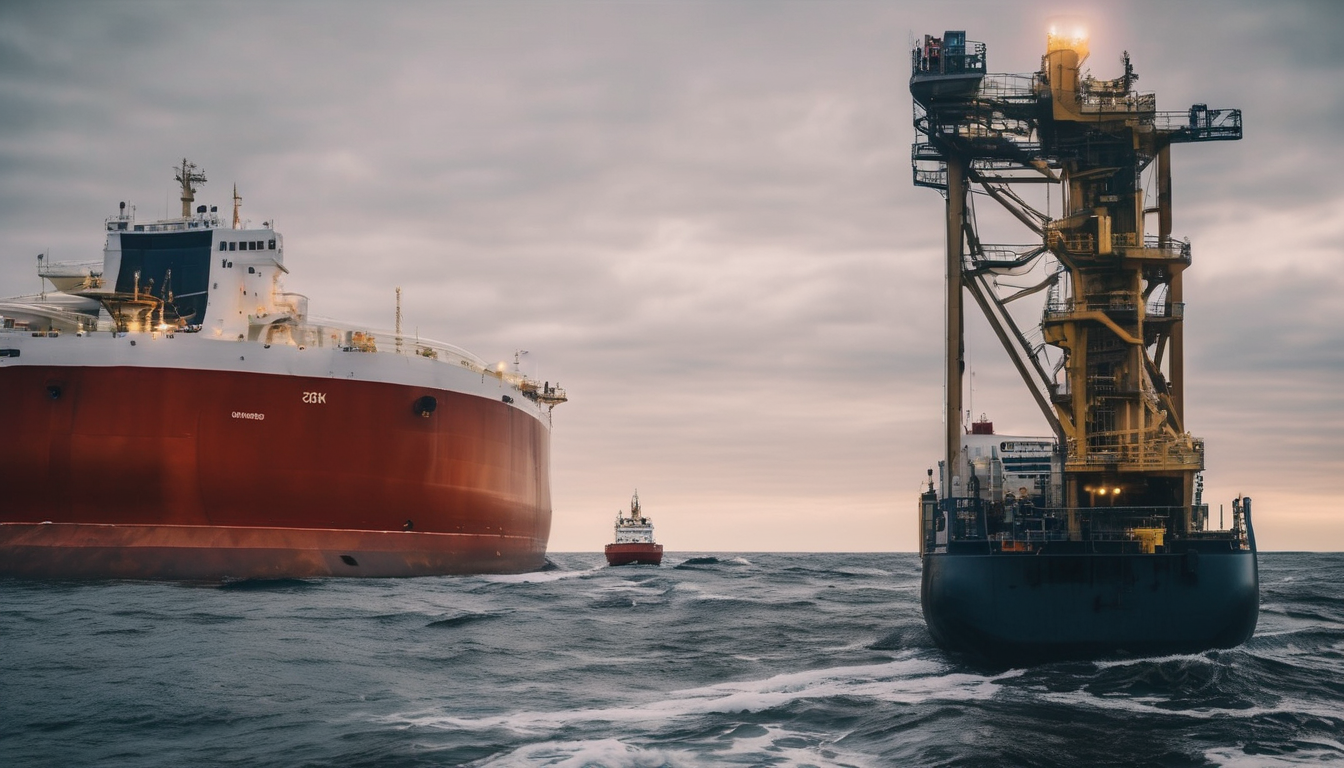
The North Sea ranks among the busiest and most challenging maritime regions for oil tanker operations, handling a significant portion of Europe’s crude oil imports and exports. But with its unpredictable weather, strong currents, and congested shipping lanes, operating oil tankers in the North Sea demands unparalleled efficiency and safety measures. Every voyage here carries unique risks that can impact not just the vessel and crew, but also the fragile marine environment and coastal communities.
Efficient and safe oil tanker North Sea operations hinge on advanced navigation technologies, rigorous crew training, and strict adherence to environmental regulations. The region’s harsh conditions mean that even minor lapses can escalate into costly accidents or environmental disasters. Operators must constantly balance the pressure to meet tight schedules with the imperative of maintaining safety and minimising ecological impact. This delicate balancing act calls for a deep understanding of both the natural environment and the technical complexities of tanker management.
With increasing scrutiny and tighter regulations, the oil tanker North Sea sector is evolving rapidly. Integrating innovative practices and embracing a culture of continuous improvement are essential to safeguarding lives, assets, and ecosystems while maintaining the vital flow of energy resources across this pivotal maritime corridor.
How to Navigate Challenging Weather Conditions for Safe Oil Tanker Operations in the North Sea
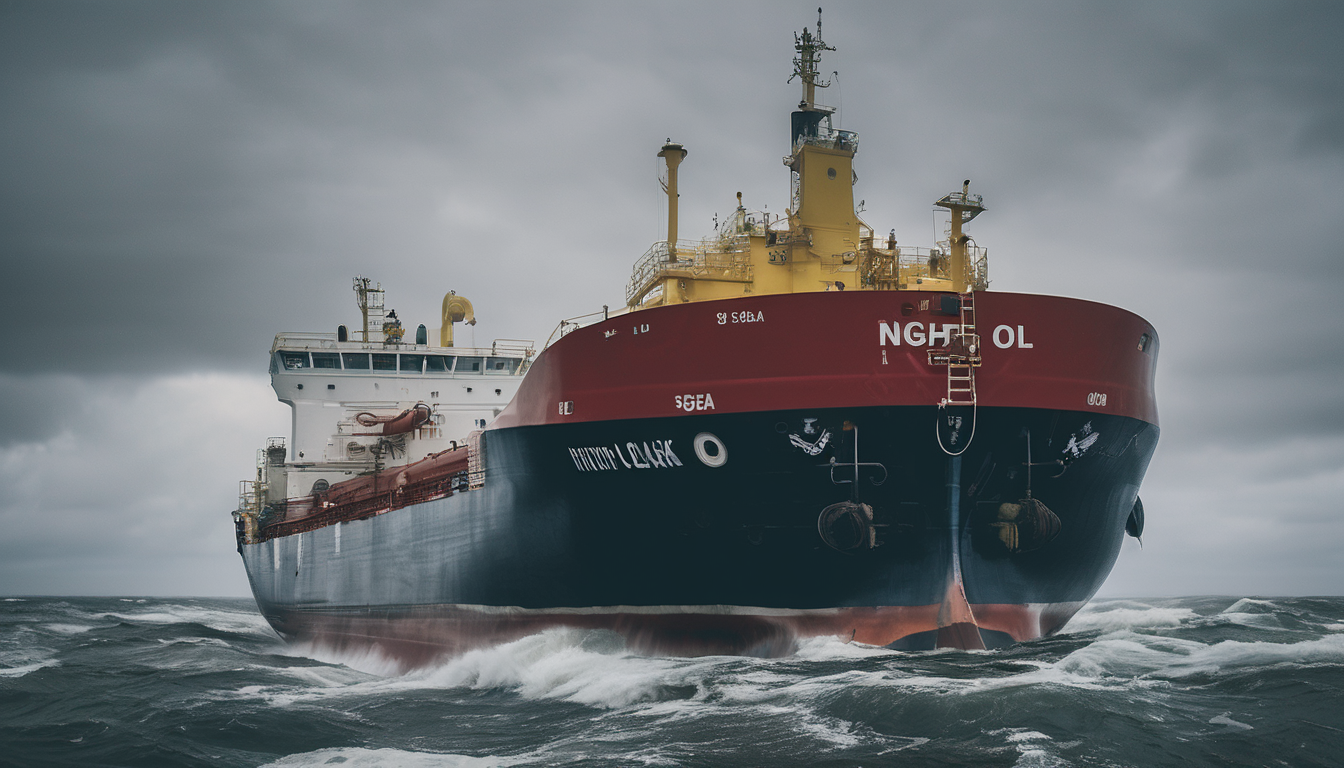
Navigating challenging weather conditions in the North Sea is critical for safe oil tanker operations. I recommend starting with thorough pre-voyage planning, which includes up-to-date weather forecasts and sea state information. The North Sea is notorious for sudden storms and rough seas, with wave heights often exceeding 6 metres during winter months. Using reliable sources like the UK Met Office and the Norwegian Meteorological Institute ensures you have accurate data. Incorporating this data into voyage planning software allows you to adjust routes proactively, reducing exposure to hazardous conditions.
| Weather Element | Typical Range in North Sea | Impact on Tanker Operations |
|---|---|---|
| Wind Speed | 10-40 knots | Reduces manoeuvrability, increases drift |
| Wave Height | 1-6+ metres | Causes vessel motion, affects loading/unloading |
| Visibility | Clear to dense fog | Impacts navigation and collision risk |
During operations, maintaining constant communication with shore-based weather centres allows for real-time updates. For example, in 2022, a tanker approaching the Forties oil field had to delay offloading due to an unexpected gale warning. The crew adjusted ballast and speed accordingly, avoiding damage and environmental risk. I advise that tankers also utilise onboard weather radars and Automatic Identification Systems (AIS) to monitor both weather and nearby vessels. This situational awareness is key in congested areas where sudden weather changes can increase collision risks.
- Monitor weather reports every 3 hours during transit
- Use dynamic route adjustments based on forecasted storms
- Ensure all crew are trained in emergency weather protocols
When facing heavy seas, reducing speed to maintain safe manoeuvrability is essential. Tankers should also secure all deck equipment and ensure cargo tanks are properly managed to maintain stability. For instance, during a 2019 storm, a tanker reduced speed from 14 knots to 8 knots, successfully navigating through 5-metre waves without incident. I recommend that captains maintain a minimum safety margin of 20% in fuel reserves when anticipating severe weather, in case rerouting becomes necessary.
| Best Practices | Practical Tips |
|---|---|
| Pre-voyage Weather Briefing | Use multiple meteorological sources; cross-check forecasts |
| Onboard Weather Monitoring | Regular radar scans; AIS tracking of vessels and weather |
| Speed and Route Management | Adjust speed proactively; avoid storm centres |
| Emergency Preparedness | Drills for severe weather; ensure all safety equipment ready |
In sum, combining advanced weather forecasting, proactive route management, and crew readiness forms the foundation of safe oil tanker operations in the North Sea. I’ve seen firsthand that ignoring weather warnings or failing to adapt quickly can lead to costly delays or accidents. By following these strategies, operators can confidently navigate the challenging North Sea environment while minimising risks to personnel, cargo, and the environment.
Why Advanced Monitoring Systems Are Crucial for Efficient Oil Tanker Management Offshore
Managing oil tankers offshore, especially in the challenging North Sea environment, demands precision and reliability. Advanced monitoring systems are no longer optional—they’re essential for efficient operations and safety. From tracking fuel consumption to detecting structural stress, these systems provide real-time data that helps crews make informed decisions swiftly.
| Monitoring Aspect | Benefit | Example |
|---|---|---|
| Fuel Efficiency | Optimises routes and reduces consumption | Maersk Tankers reduced fuel costs by 8% using AI-based monitoring |
| Structural Integrity | Detects early signs of wear and tear | Shell’s North Sea vessels use vibration sensors to prevent hull damage |
| Environmental Compliance | Ensures emissions standards are met | BP employs continuous emissions monitoring to stay compliant |
One practical insight is the integration of condition-based maintenance. Instead of relying on fixed schedules, tankers equipped with advanced sensors can predict when parts need servicing. For example, vibration analysis on pumps or engines can signal upcoming failures, allowing teams to plan repairs during port calls rather than dealing with costly breakdowns offshore.
- Reduces downtime by up to 30%
- Extends equipment lifespan by 15-20%
- Improves safety by preventing unexpected failures
Data centralisation is another critical factor. By funneling information from multiple sensors into a single platform, operators get a comprehensive overview. This reduces response times during emergencies and aids in regulatory reporting. For instance, the Norwegian oil sector utilises integrated dashboards that combine weather, vessel status, and cargo monitoring, significantly improving operational transparency.
In my experience, investing in these systems pays off quickly. Although initial costs might seem high, the reduction in fuel use, maintenance expenses, and risk exposure more than compensates. For tankers operating in the North Sea—where weather conditions can change rapidly—having access to accurate, real-time data isn’t just a convenience; it’s a lifeline.
5 Essential Safety Protocols Every North Sea Oil Tanker Crew Must Follow
Operating an oil tanker in the North Sea demands strict adherence to safety protocols due to the region’s harsh weather, strong currents, and busy maritime traffic. I recommend every crew member follows these five essential safety protocols to ensure smooth and secure operations.
| Protocol | Description | Example |
|---|---|---|
| 1. Regular Weather Monitoring | Continuous tracking of weather conditions to anticipate storms or rough seas. | In 2022, a tanker delayed departure by 12 hours based on Met Office warnings, avoiding a severe gale. |
| 2. Strict Communication Procedures | Clear, standardised radio and inter-ship communications prevent misunderstandings during navigation and cargo operations. | During a joint manoeuvre near Aberdeen, adherence to VHF protocols avoided a potential collision. |
| 3. Comprehensive Safety Drills | Routine fire, abandon ship, and spill response drills keep the crew prepared for emergencies. | The crew of the MV North Sea Pioneer completed monthly drills, which helped them respond efficiently to a minor fire in 2023. |
| 4. Personal Protective Equipment (PPE) Compliance | Wearing appropriate PPE, including flame-resistant clothing and life jackets, reduces injury risks. | During cargo loading in cold conditions, consistent PPE use prevented hypothermia cases among crew. |
| 5. Environmental Hazard Management | Following spill prevention and waste disposal protocols minimises environmental impact. | Following a minor leak in 2021, quick containment protocols limited oil discharge to less than 0.01% of cargo. |
To keep these protocols effective, I advise maintaining a safety log updated daily by the officer on watch. This log should include weather updates, drill results, and any incidents. Sharing this information in briefings fosters team awareness and accountability.
- Tip: Use digital checklists for PPE inspections before cargo operations.
- Tip: Schedule communication refresher sessions every two weeks to reinforce clarity.
- Tip: Integrate weather apps with onboard navigation systems for real-time alerts.
Implementing these protocols not only protects the crew but also ensures compliance with UK Maritime and Coastguard Agency (MCA) regulations and the International Maritime Organization (IMO) standards. I’ve seen firsthand how crews that commit to these safety measures operate more efficiently and with greater confidence, even amid the North Sea’s unpredictable conditions.
The Truth About Environmental Risks and Mitigation Strategies in North Sea Oil Transport
Transporting oil across the North Sea involves significant environmental risks, but with the right mitigation strategies, these can be managed effectively. Spills remain the primary concern; even a small leak can cause widespread damage to marine ecosystems. For instance, the 1993 Braer oil spill released around 85,000 tonnes of crude oil, severely affecting wildlife along the Scottish coast. Since then, regulations have tightened, and technology has improved, reducing the frequency and impact of such incidents.
| Risk | Potential Impact | Mitigation Strategy |
|---|---|---|
| Oil Spills | Marine pollution, harm to wildlife | Double-hulled tankers, spill response drills |
| Ballast Water Discharge | Invasive species introduction | Ballast water treatment systems |
| Air Emissions | Air pollution, greenhouse gases | Cleaner fuels, exhaust scrubbers |
One practical example of mitigation is the use of double-hulled tankers. These designs drastically reduce spill risks by providing an extra layer of protection. I recommend operators ensure all vessels comply with the International Maritime Organization’s standards, which have mandated double hulls since 2010. Additionally, regular spill response drills involving crews and emergency services help maintain readiness and reduce response times.
- Regular maintenance and inspection of tanker hulls
- Advanced navigation systems to avoid collisions and groundings
- Real-time weather monitoring to plan safer routes
Another key factor is controlling emissions. The North Sea region has seen increased use of low-sulphur fuels and exhaust scrubbers to limit sulphur oxides and nitrogen oxides. I recommend investing in shore power facilities at ports, which allow tankers to shut down engines and plug into the local grid, cutting emissions during loading and unloading operations.
| Mitigation Action | Effectiveness | Example |
|---|---|---|
| Double-hulled Tankers | High | All North Sea operators post-2010 |
| Spill Response Drills | Medium | UK Maritime & Coastguard Agency exercises |
| Low-sulphur Fuels | High | Ports in Norway and the UK |
In summary, while environmental risks in North Sea oil transport remain, embracing robust mitigation approaches—from vessel design to operational practices—can dramatically reduce their impact. I strongly advise ongoing investment in technology and training to keep these operations both efficient and safe.
How to Optimise Fuel Efficiency and Reduce Emissions During North Sea Oil Tanker Voyages
Operating oil tankers in the North Sea demands a balance between efficiency and environmental responsibility. I recommend focusing on fuel efficiency and emission reductions, which not only cut costs but also comply with strict maritime regulations. One practical approach is optimising voyage planning. By using advanced weather routing software, tankers can avoid harsh weather and strong currents, reducing fuel consumption by up to 10%. For example, the vessel Stena Performer reported a 7% fuel saving after implementing this strategy on North Sea routes.
| Strategy | Expected Fuel Saving | Emission Impact | Example |
|---|---|---|---|
| Weather Routing | 7-10% | Reduces CO₂ and NOx | Stena Performer |
| Slow Steaming (10-12 knots) | 15-20% | Lower CO₂ emissions | Maersk Tankers fleet |
| Hull Cleaning & Maintenance | 5-8% | Improves engine efficiency | Shell Tanker Operations |
Another effective method is adopting slow steaming, reducing speed to around 10-12 knots. This can cut fuel use by 15-20% and significantly lower CO₂ emissions. Maersk Tankers demonstrated this on North Sea voyages, balancing on-time delivery with environmental benefits. Regular hull cleaning also plays a key role; biofouling increases drag, forcing engines to work harder. Shell Tanker Operations found that scheduled hull maintenance improved fuel efficiency by nearly 7%, directly reducing emissions.
- Implement weather routing software for real-time adjustments
- Maintain speeds at optimal slow steaming levels when schedules allow
- Schedule hull cleaning every 3-6 months depending on sea conditions
- Use low-sulfur fuels compliant with IMO 2020 regulations
- Train crew on eco-efficient engine operation and trim optimisation
Moreover, switching to low-sulfur fuels or alternative fuels like LNG can drastically reduce sulphur oxide emissions. The IMO 2020 sulphur cap mandates less than 0.5% sulphur content, and compliance is essential in the North Sea. Combined with crew training on optimising engine load and trim adjustments, these measures ensure safer, cleaner voyages. For example, a recent study showed that trim optimisation alone can improve fuel efficiency by 3-5%, a small but impactful gain on long voyages.
Operating oil tankers in the challenging conditions of the North Sea demands a careful balance of efficiency and safety. By embracing advanced navigation technologies, rigorous maintenance protocols, and comprehensive crew training, operators can significantly reduce risks while optimising performance. Attention to environmental factors such as weather patterns and sea states, combined with strict adherence to regulatory standards, further strengthens operational resilience. A key recommendation is to invest continually in real-time monitoring systems that enhance situational awareness and enable proactive decision-making. As the industry evolves, the question remains: how can innovation and sustainability be harmonised to ensure that oil tanker operations not only meet today’s demands but also pave the way for a safer, greener future in this vital maritime region?