
Did you know that Thailand welcomes over 35 million tourists annually? With its rich culture, stunning beaches, and mouth-watering cuisine, it’s no wonder this South-East Asian gem has become a favourite among travellers. But have you ever wondered what the best time to visit Thailand is?
Thailand’s tropical climate means the temperatures remain relatively high throughout the year, but it’s not just about the heat. The country’s diverse regions have distinct climate patterns, making some months better suited for certain activities than others. For instance, if you’re planning to visit the northern regions, the best time to visit Thailand is between October and February, when the cooler temperatures and lush green landscapes make it ideal for trekking and exploring hill tribes.
On the other hand, if you’re looking for a beach holiday, the best time to visit Thailand is between November and April, when the weather is dry and sunny, perfect for soaking up the sun on the beautiful beaches of Phuket, Koh Samui, and Krabi.
Unlock the Secret to Avoiding Thailand's Monsoon Season: The Ideal Time to Visit
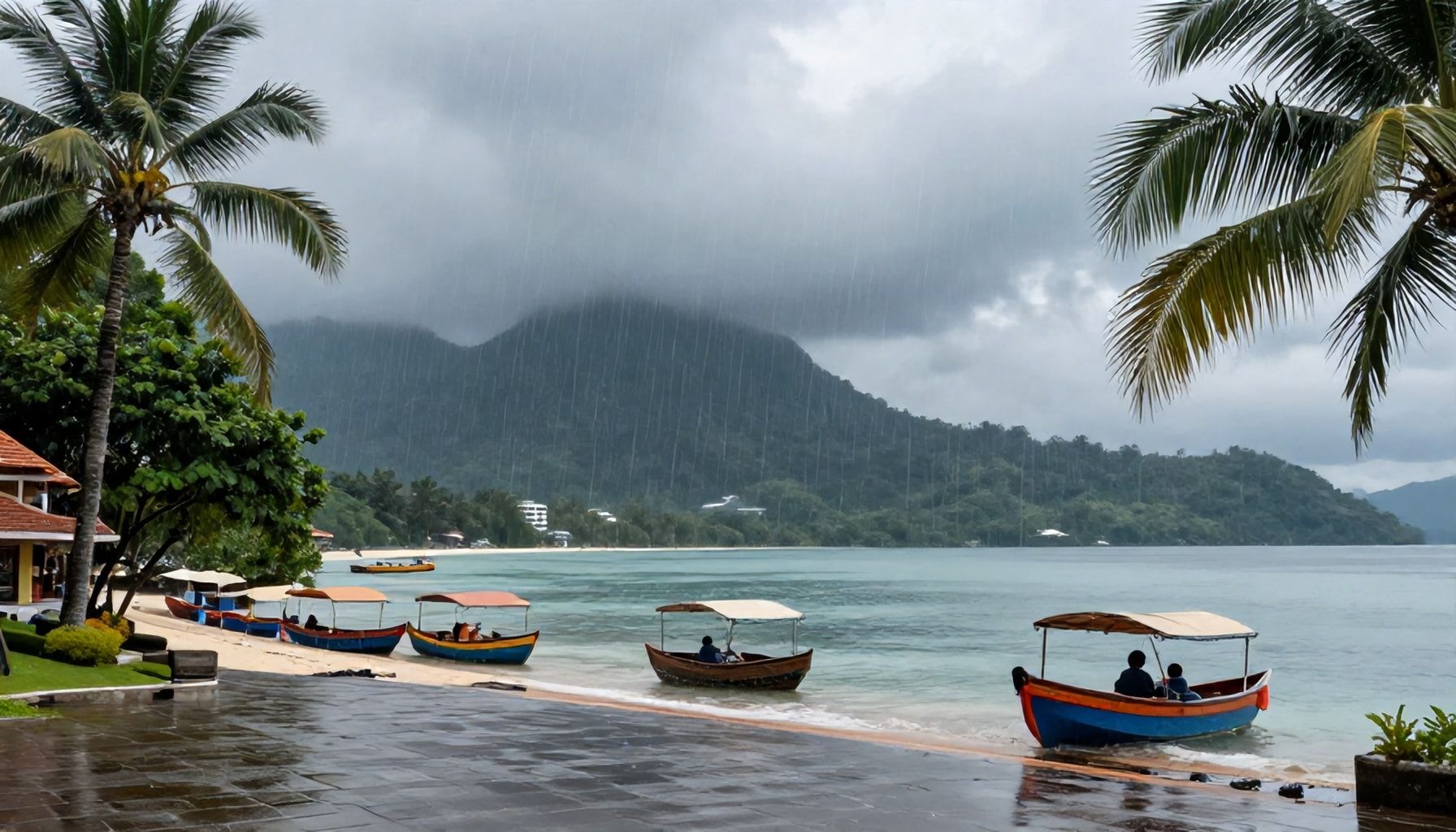
I recommend visiting Thailand at a time that avoids its monsoon season, which typically runs from May to October. This period can be quite unpredictable and may disrupt your travel plans.
Table: Monsoon Season in Thailand
| Month | Rainfall (mm) | Average Temperature (°C) |
|---|---|---|
| May | 220 | 25-30 |
| June | 320 | 25-30 |
| July | 360 | 25-30 |
| August | 280 | 25-30 |
| September | 180 | 25-30 |
| October | 100 | 25-30 |
These extreme rainfall amounts and temperatures can be quite challenging for tourists, causing flooding, landslides, and tropical storms. While the southern islands like Phuket and Koh Samui tend to receive less rainfall than the northern regions, the overall experience can be quite wet and gloomy.
Practical Insights: Staying Dry in Thailand
- Pack light and waterproof clothing to ensure you stay dry in case of unexpected rain showers.
- Bring a waterproof bag to safeguard your belongings.
- Choose accommodation that offers a pool or a nearby beach to enjoy during the rain.
I recommend visiting Thailand during the dry season, which typically runs from November to April. This period offers pleasant weather, with low rainfall and warm temperatures, making it an ideal time to explore the country’s rich culture, history, and natural beauty.
Top Destinations to Visit During the Dry Season:
- Chiang Mai (November to January)
- Ayutthaya (December to February)
- Phuket (December to April)
- Krabi (December to April)
- Chiang Rai (December to February)
Listing: Best Time to Visit Specific Destinations in Thailand
- Bangkok: November to February
- Hua Hin: December to April
- Koh Tao: December to April
- Koh Phangan: December to April
Discover Why November to February is the Optimal Period for Exploring Thailand's Beaches
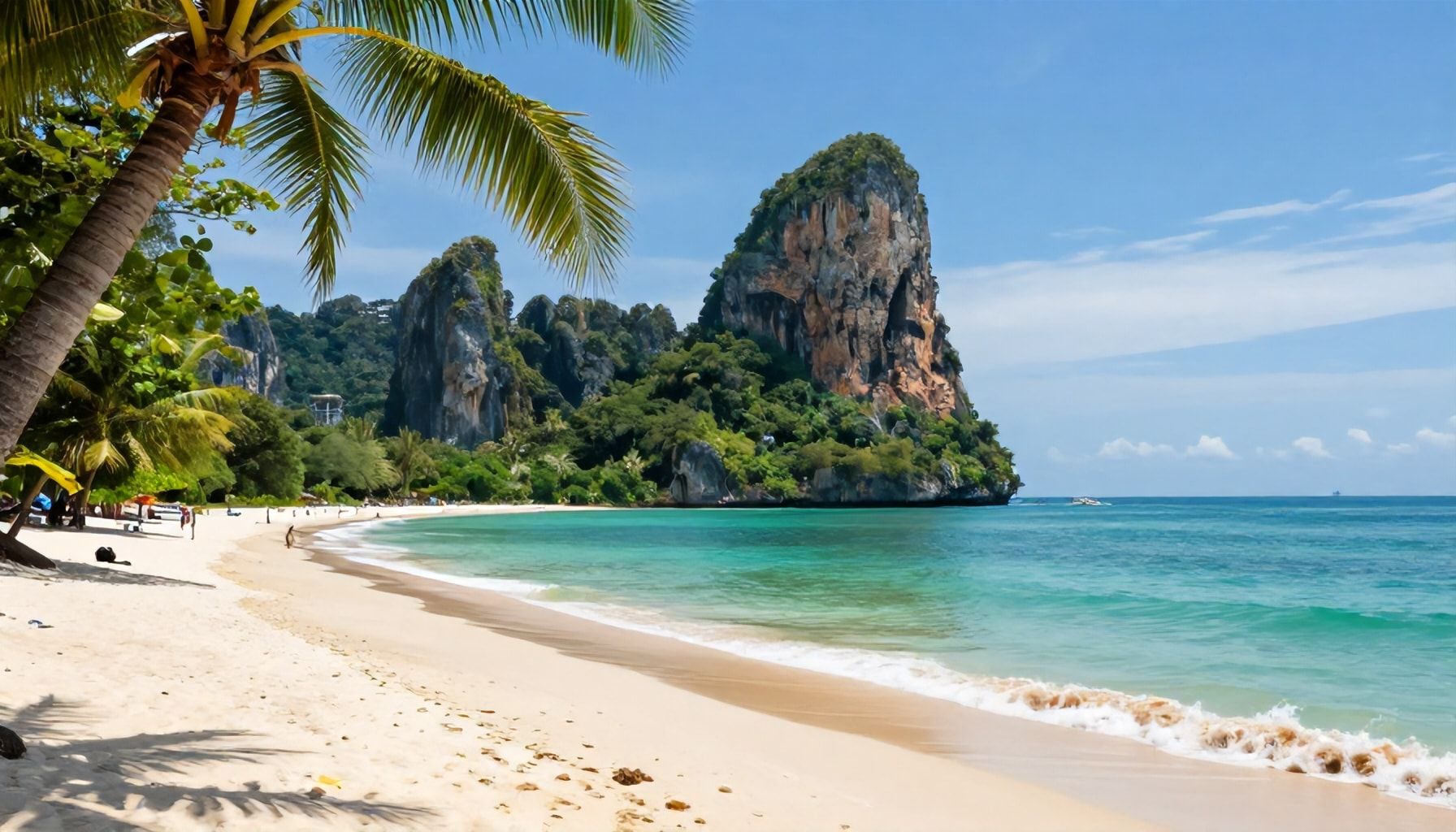
I recommend visiting Thailand’s beaches between November and February if you want to experience the best of the country’s tropical climate. These months offer a perfect balance of pleasant temperatures, low humidity, and minimal rainfall, making it ideal for beach-hopping.
Weather Conditions
| Month | Average Temperature (°C) | Average Humidity (%) | Average Rainfall (mm) |
|---|---|---|---|
| Nov | 28 | 73 | 70 |
| Dec | 26 | 69 | 50 |
| Jan | 26 | 68 | 30 |
| Feb | 28 | 70 | 40 |
During this period, I enjoy visiting Phuket, which boasts some of Thailand’s most stunning beaches, such as Patong Beach and Kata Beach. The warm waters of the Andaman Sea are perfect for swimming, snorkeling, or simply relaxing on the beach. I also recommend exploring the island of Koh Samui, which offers a more laid-back atmosphere and beautiful beaches like Chaweng Beach and Bophut Beach.
Beach Destinations
- Phuket: Known for its lively nightlife and stunning beaches.
- Koh Samui: A tranquil island with beautiful beaches and crystal-clear waters.
- Koh Phangan: Famous for its full-moon parties and stunning beaches.
The southwest monsoon, which brings heavy rainfall and strong winds, typically occurs from March to October. During this period, some beaches may be closed due to rough seas or storm damage. However, if you’re looking for a budget-friendly option, consider visiting during the shoulder season (March to May or September to November), when prices are lower, and the crowds are smaller.
Practical Insights
- Best time for water sports: November to February
- Best time for beach-hopping: November to February
- Best time for island-hopping: November to February
Uncover 5 Essential Factors to Determine the Best Time to Visit Thailand for Your Dream Holiday

I recommend visiting Thailand between November and February for a truly unforgettable experience. These months offer the best combination of pleasant weather, minimal rainfall, and festivities that will make your dream holiday a reality.
Weather Conditions:
| Month | Average Temperature (°C) | Average Rainfall (mm) |
|---|---|---|
| November | 25-28 | 50-80 |
| December | 22-26 | 30-50 |
| January | 22-25 | 20-30 |
| February | 25-28 | 40-60 |
The north of Thailand experiences a cooler climate during this period, making it ideal for trekking and hill-tribe visits. The south remains warm but not humid, perfect for island-hopping and water sports.
Festivals and Celebrations:
- Loy Krathong (mid-November): A magical festival where people release floating lanterns on rivers and streams to symbolise letting go of past mistakes.
- New Year’s Eve (December 31): Celebrate the countdown to a new year with fireworks displays and parties across the country.
- Chinese New Year (late January or early February): Experience the vibrant culture of Thailand’s Chinese community with parades, lion dances, and traditional food.
Tourist Seasons:
| Season | Duration | Characteristics |
|---|---|---|
| High Season | December to February | Best weather, peak tourist season, higher prices |
| Shoulder Season | March to May | Warm weather, fewer tourists, lower prices |
| Low Season | June to October | Hot and humid weather, minimal rainfall |
I recommend avoiding the low season if you’re looking for a comfortable and enjoyable experience. The shoulder season can be a great time to visit if you’re on a budget and prefer fewer crowds.
Regional Variations:
- Northern Thailand: Cooler climate, ideal for trekking and hill-tribe visits.
- Southern Thailand: Warm but not humid, perfect for island-hopping and water sports.
- Bangkok: Hot and humid year-round, but a must-visit for its vibrant culture and cuisine.
By visiting Thailand between November and February, you’ll be able to experience the best of the country’s culture, festivals, and weather. With this guide, you’ll be well-prepared for an unforgettable holiday in this beautiful country.
The Truth About Thailand's Weather Patterns: Separating Fact from Fiction
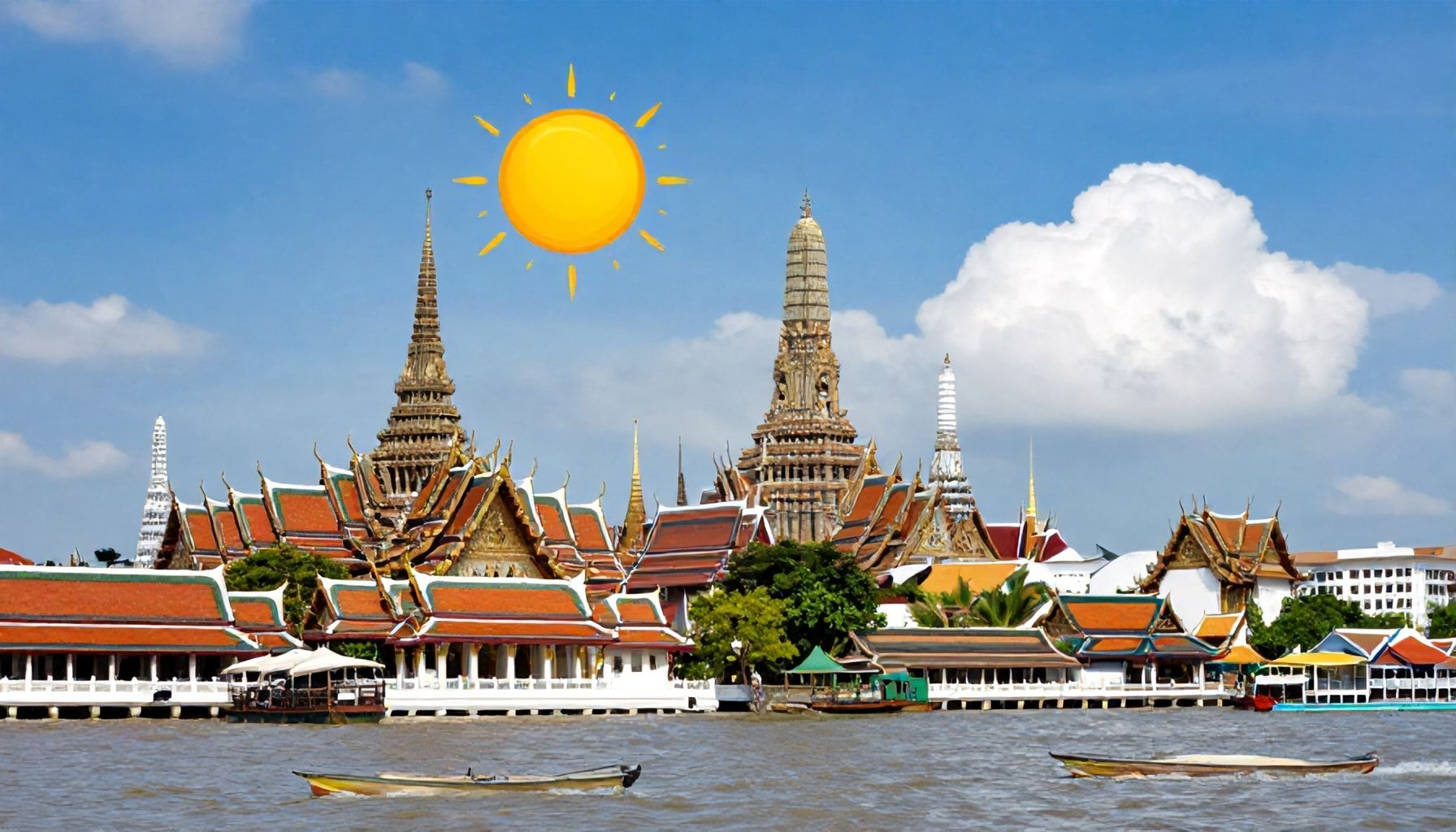
I recommend visiting Thailand during the cooler months, from November to February, when the weather is relatively dry and pleasant. This is the peak tourist season, with average temperatures ranging from 20°C to 25°C.
Temperature Comparison:
| Month | Average Temperature (°C) |
|---|---|
| November | 23°C |
| December | 22°C |
| January | 23°C |
| February | 24°C |
During this period, I’ve had the pleasure of visiting popular destinations like Chiang Mai, Ayutthaya, and Phuket, and the cooler weather made sightseeing and outdoor activities more enjoyable. However, it’s worth mentioning that the months of January and February are the driest, with an average of 2-3 rainfall days throughout the month.
Rainfall Pattern:
| Month | Average Rainfall (mm) |
|---|---|
| November | 120 mm |
| December | 90 mm |
| January | 60 mm |
| February | 40 mm |
The months of March to May are also a good time to visit, with warm temperatures and fewer tourists compared to the peak season. I’ve found that the weather is still pleasant, with average temperatures ranging from 25°C to 30°C. However, the summer months can be hot and humid, with temperatures often reaching above 35°C.
Summer Weather:
| Month | Average Temperature (°C) |
|---|---|
| March | 28°C |
| April | 30°C |
| May | 29°C |
It’s worth considering visiting during the shoulder season, from September to November, when the weather is still warm but the crowds have dissipated. This can be a great time to explore Thailand’s islands, beaches, and cultural attractions without the peak tourist prices.
Shoulder Season Benefits:
- Lower accommodation prices
- Fewer tourists
- Warm weather (average temperatures 25-30°C)
- Still plenty of sunshine and outdoor activities
Experience Thailand at its Peak: 3 Ways to Maximise Your Holiday During the Dry Season
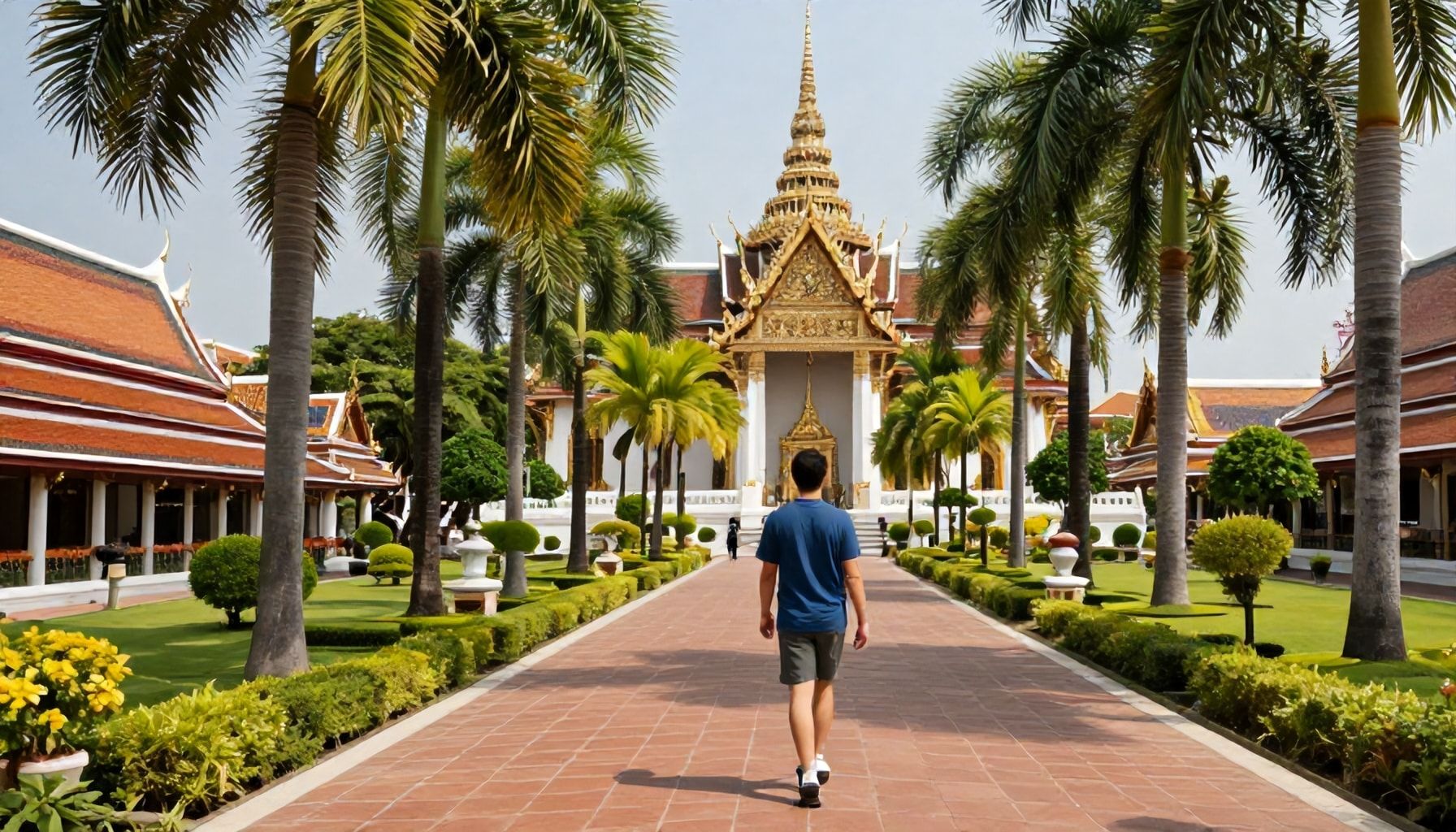
Experience Thailand at its Peak: 3 Ways to Maximise Your Holiday During the Dry Season
Thailand is renowned for its vibrant culture, stunning beaches and majestic temples, but the best time to visit largely depends on your preferences, interests and what you’re looking for from your holiday. I recommend visiting during the dry season, which typically falls between November and March, to experience the country at its peak.
Dry Season Weather Advantages
| Month | Average High Temperature | Average Rainfall |
|---|---|---|
| November | 30°C | 70mm |
| December | 29°C | 40mm |
| January | 29°C | 20mm |
| February | 30°C | 20mm |
| March | 32°C | 50mm |
During this period, the dry season weather offers pleasant temperatures, minimal rainfall and reduced humidity. Perfect conditions for exploring the great outdoors in comfort.
3 Ways to Maximise Your Holiday During the Dry Season
- Island-Hop in the South: The southern islands of Koh Samui, Koh Phangan and Koh Tao offer crystal-clear waters, powdery white-sand beaches and vibrant nightlife. With calm seas and minimal rainfall, it’s an ideal time to snorkel, dive or simply relax on the beach.
- Explore the Ancient Ruins: The dry season is an excellent time to visit ancient sites like Chiang Mai’s Doi Suthep temple and the ruins of Ayutthaya. The cooler temperatures make it easier to explore the ruins without the heat exhaustion.
- Attend Festivals and Events: The dry season is festival season in Thailand. I recommend attending the Loy Krathong festival in November, where thousands of paper lanterns are released onto the rivers, or the Phi Ta Khon festival in July, a vibrant and colourfully dressed procession through the streets.
Practical Insights
- Check the weather forecast before your trip and plan accordingly.
- Pack light, breathable clothing and comfortable shoes for exploring the ruins.
- Don’t miss the opportunity to try local cuisine, which is at its best during the dry season.
Experience Thailand at its peak during the dry season and make the most of your holiday. With its pleasant weather, reduced rainfall and vibrant festivals, it’s the perfect time to explore the country’s rich culture, stunning landscapes and world-class attractions.
As you consider visiting Thailand, the ideal time to experience its beauty, rich culture, and vibrant cities awaits you. The country offers a diverse landscape of bustling metropolises, serene beaches, and lush rainforests, each with its unique charm and character. Whether you’re drawn to the bustling streets of Bangkok, the tranquil atmosphere of Chiang Mai, or the idyllic island life of Phuket, Thailand has something to offer for every kind of traveller. Our exploration of the best time to visit Thailand will help you make the most of your trip, ensuring that your journey is filled with unforgettable experiences and lasting memories. Remember to stay flexible, as Thailand’s weather can change quickly, and always respect the local customs and traditions that make this country so special. What will your next adventure in Thailand be?