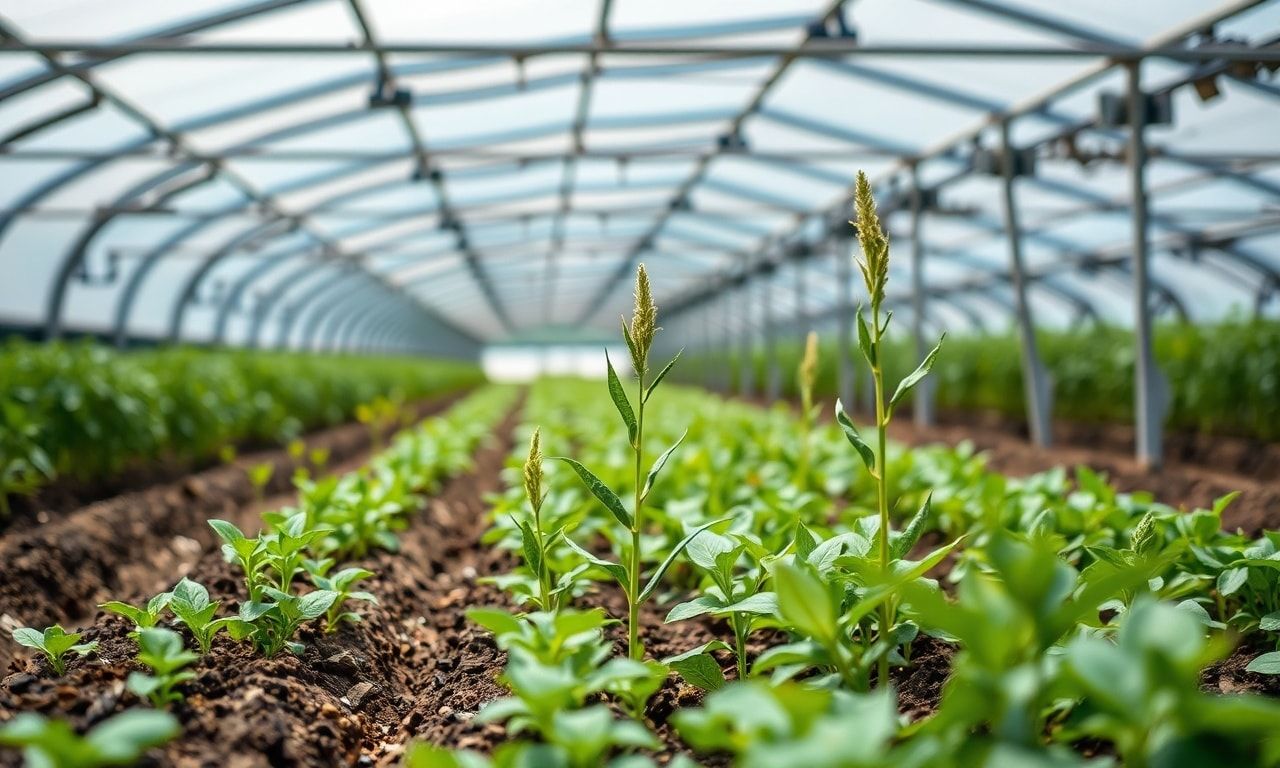
The Evolution of Agriculture: Embracing Technology
Agriculture, the backbone of human civilization, is undergoing a profound transformation. As the world grapples with climate change, population growth, and resource depletion, the agricultural sector is turning to technology to ensure sustainability and productivity. This shift is not just about mechanization but about integrating cutting-edge technologies to create smarter, more efficient farming practices.
From precision agriculture to vertical farming, the innovations in the agricultural sector are poised to redefine how we grow our food. These advancements are crucial for meeting the United Nations’ Sustainable Development Goals, particularly the goal of ending hunger and achieving food security.
The Role of Technology in Modern Farming
Technology is playing a pivotal role in modern farming. Drones, sensors, and satellite imagery are being used to monitor crops and soil health, enabling farmers to make data-driven decisions. This approach, known as precision agriculture, allows for targeted application of water, fertilizers, and pesticides, reducing waste and environmental impact.
Artificial Intelligence (AI) and machine learning are also making significant inroads into agriculture. AI algorithms can analyze vast amounts of data to predict crop yields, detect diseases, and optimize harvesting schedules. These technologies are not only improving efficiency but also helping farmers to adapt to changing climatic conditions.
Sustainable Practices for a Greener Future
Sustainability is at the heart of modern agricultural practices. Farmers are increasingly adopting sustainable methods to reduce their environmental footprint. This includes practices like crop rotation, cover cropping, and agroforestry, which help to maintain soil health and biodiversity.
Additionally, the use of renewable energy sources such as solar and wind power is gaining traction in the agricultural sector. These energy sources provide a clean and sustainable alternative to traditional fossil fuels, reducing greenhouse gas emissions and contributing to a healthier planet.
Innovations in Crop Production
Innovations in crop production are revolutionizing the way we grow food. Genetic engineering and biotechnology are enabling the development of crops that are more resistant to pests, diseases, and harsh weather conditions. These advancements are crucial for ensuring food security in the face of a growing global population.
Moreover, the concept of vertical farming is gaining popularity. This method involves growing crops in stacked layers, often in controlled environments such as warehouses or skyscrapers. Vertical farming allows for year-round production, reduces the need for land and water, and brings food production closer to urban centers, reducing transportation costs and emissions.
The Future of Farming: Predictions and Trends
The future of farming is bright with numerous innovations on the horizon. One of the most promising trends is the use of blockchain technology to ensure food traceability and safety. Blockchain can provide a transparent and secure record of a food product’s journey from farm to table, enhancing consumer trust and safety.
Another exciting development is the use of robotics in agriculture. Autonomous tractors, robotic harvesters, and automated irrigation systems are becoming more common, reducing the need for manual labor and increasing efficiency. These technologies are set to play a significant role in the future of farming, making it more efficient and sustainable.
For those interested in the latest trends and best practices in the agricultural sector, resources like tarım sektörü için en iyi uygulamalar 2026 provide valuable insights and guidance. These resources are essential for farmers and agricultural professionals looking to stay ahead of the curve and adopt the most effective and sustainable practices.
Conclusion: A Call to Action
The agricultural sector is at a crossroads. The challenges of climate change, population growth, and resource depletion require innovative solutions. The good news is that technology and sustainable practices offer a path forward. By embracing these advancements, we can ensure a future where agriculture is not only productive but also sustainable and resilient.
It is crucial for governments, agricultural professionals, and consumers to work together to support and implement these innovations. Only through collective effort can we achieve a sustainable and secure food future for generations to come.
To gain a deeper understanding of the factors shaping the global food supply, consider exploring current agricultural market trends in our comprehensive overview.
To gain a deeper understanding of the shifting dynamics in food production and trade, consider reviewing current trends in agriculture.
As innovation continues to reshape industries, a new piece explores how tech transforms farming practices and what it means for the future of food production.