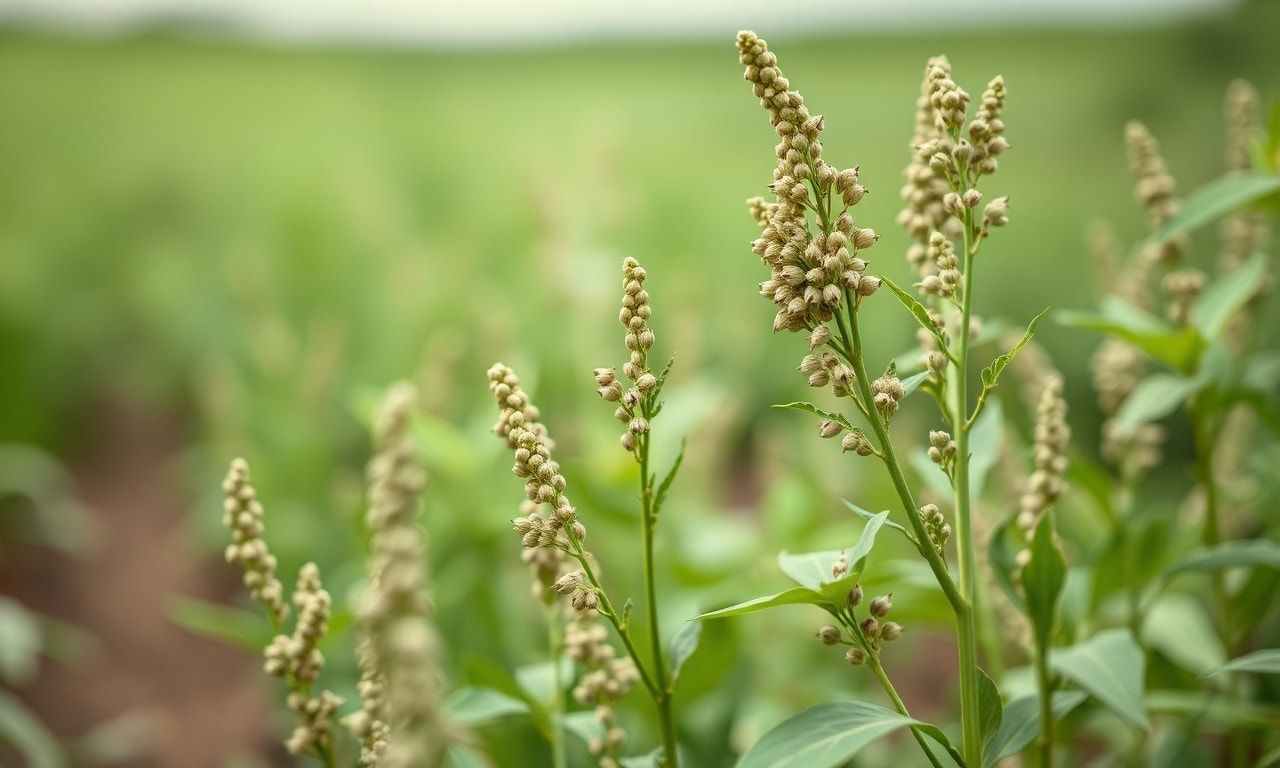
The Rise of Chia Seed Farming
In recent years, chia seed farming has gained significant traction as a sustainable and nutritious crop with the potential to combat global hunger. Originating from the salvia hispanica plant, chia seeds are packed with essential nutrients, including omega-3 fatty acids, fiber, and protein. This has made them a popular choice among health-conscious consumers and a viable solution for food security.
The global demand for chia seeds has surged, driven by their health benefits and versatility in various culinary applications. Farmers worldwide are increasingly adopting chia seed farming techniques, recognizing its potential to improve food security and economic stability in rural communities. The crop’s resilience to harsh climatic conditions further enhances its appeal as a sustainable agricultural practice.
Chia Seed Farming for Hunger Eradication
Chia seed farming has emerged as a promising strategy for hunger eradication, particularly in regions prone to food shortages. The crop’s high nutritional value and ability to thrive in diverse environments make it an ideal solution for addressing malnutrition and food insecurity. Initiatives such as chia seed farming for hunger eradication are gaining momentum, aiming to empower local communities through sustainable agricultural practices.
These initiatives often involve training farmers in chia seed cultivation techniques, providing them with the necessary resources and knowledge to establish successful farms. By integrating chia seed farming into existing agricultural systems, communities can enhance their food supply while also generating additional income through the sale of chia seeds and related products. This holistic approach not only addresses immediate food needs but also promotes long-term economic development.
The Environmental Benefits of Chia Seed Farming
Beyond its nutritional and economic advantages, chia seed farming offers significant environmental benefits. Chia plants require minimal water compared to other crops, making them a sustainable choice for regions facing water scarcity. Additionally, chia seeds can be grown in poor soil conditions, reducing the need for chemical fertilizers and pesticides.
The crop’s ability to improve soil health further contributes to its environmental sustainability. Chia plants have deep root systems that help prevent soil erosion and enhance soil fertility. This makes chia seed farming an eco-friendly practice that supports sustainable agriculture and conserves natural resources.
Challenges and Solutions in Chia Seed Farming
Despite its numerous benefits, chia seed farming faces several challenges that need to be addressed to maximize its potential. One of the primary obstacles is the lack of awareness and technical knowledge among farmers regarding chia seed cultivation. To overcome this, educational programs and training sessions are essential to equip farmers with the necessary skills and expertise.
Another challenge is the limited access to quality chia seeds and farming equipment. Establishing seed banks and providing financial support to farmers can help address this issue. Additionally, creating market linkages for chia seeds can ensure that farmers receive fair prices for their produce, incentivizing them to continue chia seed farming.
Global Initiatives and Success Stories
Several global initiatives have been launched to promote chia seed farming and its potential for hunger eradication. Organizations such as the Food and Agriculture Organization (FAO) and the World Food Programme (WFP) are actively involved in supporting chia seed farming projects in various countries. These initiatives aim to enhance food security, improve nutrition, and empower local communities through sustainable agricultural practices.
Success stories from regions where chia seed farming has been successfully implemented highlight its transformative potential. For instance, in parts of Latin America, chia seed farming has not only improved food security but also created employment opportunities and boosted local economies. These success stories serve as inspiration for other regions to adopt chia seed farming as a viable solution to global hunger.
The Future of Chia Seed Farming
The future of chia seed farming looks promising, with increasing recognition of its potential to address food security and environmental sustainability. As more farmers adopt chia seed cultivation techniques, the global supply of chia seeds is expected to grow, making them more accessible and affordable for consumers worldwide.
Research and development in chia seed farming are also underway to enhance crop yields and improve farming practices. Innovations in seed varieties, irrigation techniques, and post-harvest processing can further optimize chia seed production, ensuring its long-term viability as a solution to global hunger. By continuing to invest in chia seed farming, we can pave the way for a more sustainable and food-secure future.