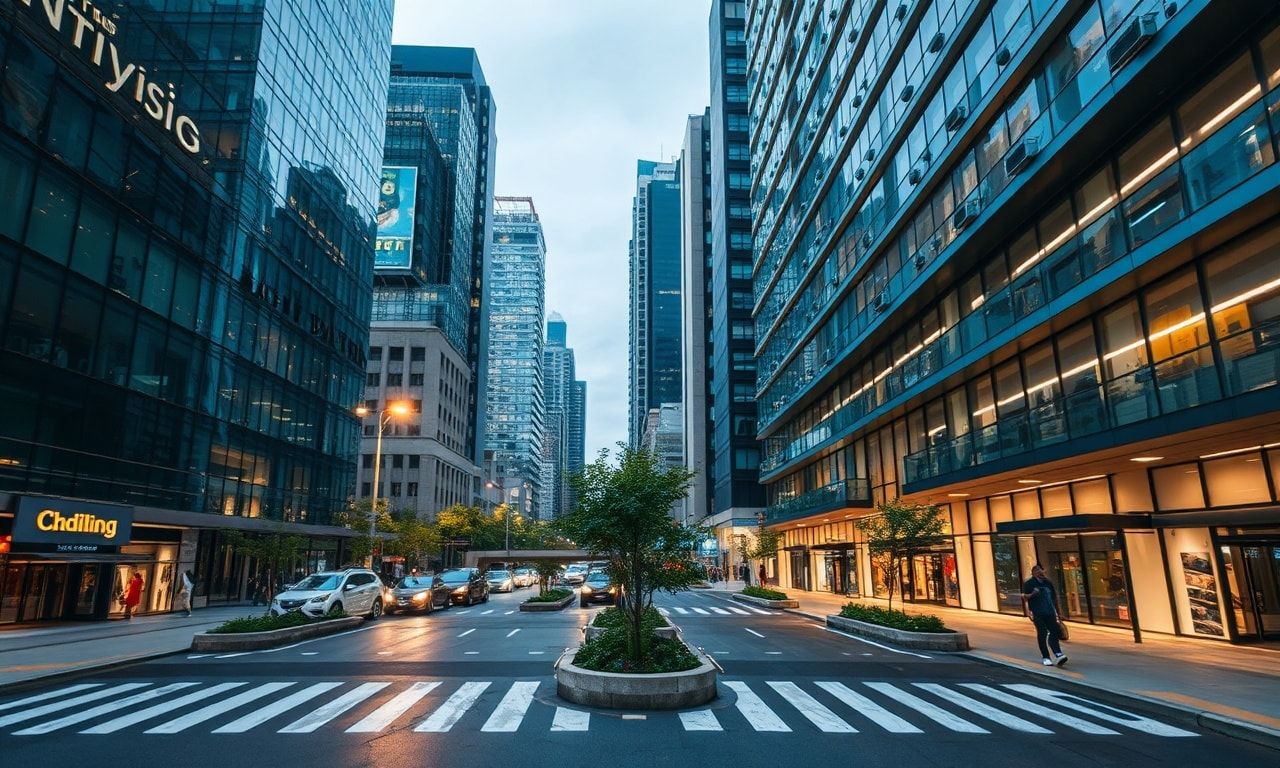
The Evolution of Urban Centers
Urban centers have undergone significant transformations over the past few decades, evolving into complex ecosystems that cater to a diverse range of needs. From technological advancements to social dynamics, cities are constantly adapting to meet the demands of their inhabitants. This evolution is driven by a multitude of factors, including economic growth, technological innovation, and demographic shifts.
One of the most notable changes in urban centers is the integration of smart technologies. Smart cities leverage data and technology to improve the quality of life for their residents. This includes everything from intelligent traffic management systems to energy-efficient buildings. The goal is to create a more sustainable and efficient urban environment that can support the growing population.
The Role of Technology in Urban Development
Technology plays a pivotal role in the development of modern urban centers. The advent of the Internet of Things (IoT) has enabled cities to collect and analyze vast amounts of data, which can be used to optimize various aspects of urban living. For instance, sensors embedded in city infrastructure can monitor air quality, traffic patterns, and energy consumption, providing valuable insights for urban planners.
Additionally, the rise of mobile applications has revolutionized the way residents interact with their cities. From navigation apps that provide real-time traffic updates to apps that facilitate public transportation, technology has made urban living more convenient and efficient. These advancements are crucial for managing the complexities of modern urban centers and ensuring that they remain livable and sustainable.
Challenges Facing Urban Centers
Despite the numerous advancements, urban centers face a myriad of challenges that can hinder their growth and development. One of the most pressing issues is the strain on infrastructure. As cities continue to grow, the demand for housing, transportation, and public services increases, putting a significant burden on existing infrastructure. This can lead to issues such as traffic congestion, overcrowding, and inadequate access to essential services.
Another major challenge is the impact of urbanization on the environment. The rapid growth of cities often results in increased pollution, deforestation, and habitat destruction. These environmental concerns are exacerbated by the high energy consumption and carbon emissions associated with urban living. Addressing these challenges requires a comprehensive approach that integrates sustainable practices into urban planning and development.
The Importance of Community Engagement
Community engagement is a critical component of successful urban development. Involving residents in the planning and decision-making processes ensures that the needs and preferences of the community are taken into account. This can lead to more inclusive and equitable urban environments that cater to the diverse needs of all residents.
Moreover, community engagement fosters a sense of ownership and pride among residents, encouraging them to take an active role in the maintenance and improvement of their neighborhoods. This can result in a more cohesive and resilient community that is better equipped to handle the challenges of urban living. For the latest city news updates today, residents can stay informed about local initiatives and community events that promote engagement and participation.
Future Prospects for Urban Centers
The future of urban centers looks promising, with numerous initiatives and innovations aimed at creating more sustainable and livable cities. One of the key trends is the focus on green infrastructure, which involves incorporating natural elements such as parks, green roofs, and urban forests into city planning. This not only enhances the aesthetic appeal of urban centers but also provides numerous environmental benefits, such as improved air quality and reduced urban heat island effects.
Another emerging trend is the concept of the 15-minute city, which aims to create urban environments where residents can access all their essential needs within a 15-minute walk or bike ride. This approach promotes walkability, reduces reliance on private vehicles, and fosters a sense of community. By integrating these innovative concepts into urban planning, cities can become more resilient, sustainable, and inclusive.