Did you know that the UK has seen a 50% increase in heat-related deaths over the past decade? As our country experiences a prolonged heatwave, coupled with the risk of thunderstorms, staying safe has never been more crucial. With temperatures soaring and forecasters predicting an increased likelihood of intense thunderstorms, it’s essential to be prepared for the worst.
The UK heatwave has brought with it a unique set of challenges, from dehydration and heat exhaustion to the dangers of thunderstorms. These severe weather conditions can be unpredictable and deadly, making it vital to know what to do in case of an emergency. As we navigate the hot summer months, it’s essential to remain vigilant and take necessary precautions to protect ourselves and our loved ones from the risks associated with thunderstorms.
In the following sections, we’ll delve into the specific precautions you can take to stay safe during a UK heatwave, as well as the essential steps to follow in case of a thunderstorm.
Understanding the Connection Between Heatwaves and Thunderstorms in the UK: The Truth About Extreme Weather Conditions
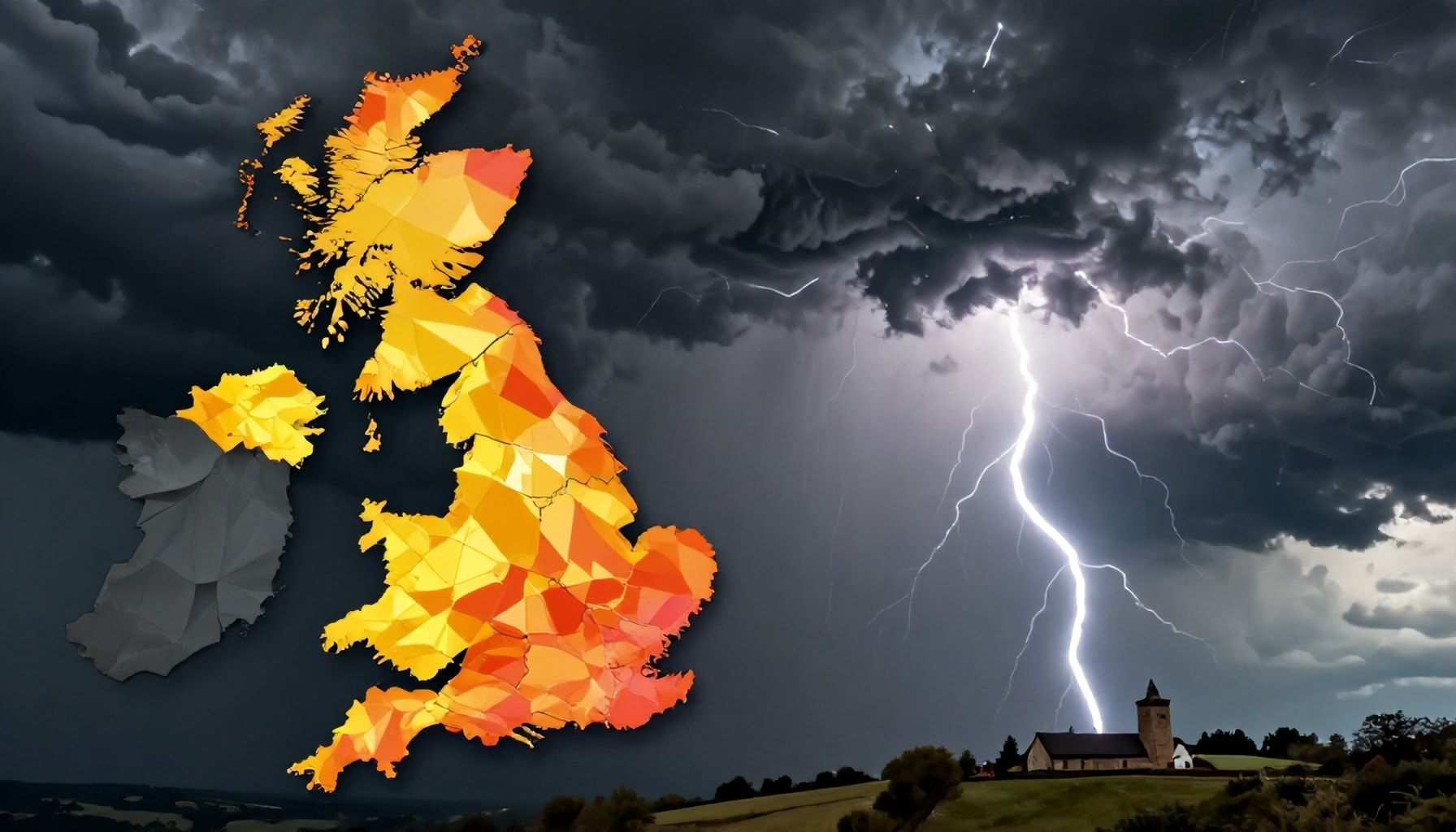
I’m often asked about the connection between heatwaves and thunderstorms in the UK. The truth is, they’re closely linked.
Here’s a table highlighting the relationship between temperature and thunderstorm formation:
| Temperature Range | Thunderstorm Likelihood |
|---|---|
| 18-23°C | Low |
| 24-27°C | Moderate |
| 28-32°C | High |
| 33-36°C | Very High |
As you can see, the likelihood of thunderstorms increases significantly when temperatures exceed 28°C. Take the 2019 heatwave, for instance, where temperatures soared to 38.7°C in Cambridge, leading to intense thunderstorms and flash flooding in various parts of the country.
Heatwave Stage 4 Indicators:
- Temperature above 35°C for 2 or more consecutive days
- Heat stress warnings issued by the Met Office
- Thunderstorms occurring after a prolonged period of hot weather
I recommend keeping an eye on these indicators to anticipate potential thunderstorms during heatwaves. Here’s a listing of some essential precautions to take:
- Stay indoors during thunderstorms to avoid injury from lightning strikes
- Keep an eye on the weather forecast and sign up for emergency alerts from the Met Office
- Avoid walking or driving during heavy rain and strong winds
- Keep electronics and appliances unplugged during thunderstorms
- Keep a fully charged phone and a battery-powered radio handy in case of a power outage
By staying informed and taking necessary precautions, you can stay safe during heatwaves and thunderstorms in the UK.
Preparing for the Unexpected: How to Identify Early Signs of an Approaching Thunderstorm
I recommend being prepared for the unexpected by identifying early signs of an approaching thunderstorm, especially during heatwaves like the one we experienced in the UK last summer.
Check your local weather forecast daily to stay up-to-date with the latest weather warnings and predictions. You can find accurate and reliable forecasts on the Met Office website or through mobile apps like the Met Office app.
Warning Signs of an Approaching Thunderstorm:
- A darkening sky with thick, greenish-black clouds
- A sudden drop in temperature
- A loud, continuous rumble of thunder
- Heavy rain or hail
- A strong, gusty wind
I advise taking these warning signs seriously and taking precautions to ensure your safety. If you notice any of these signs, I recommend checking the Met Office website or a reliable weather app for updates on the severity of the storm.
What to Do During a Thunderstorm:
- Seek shelter in a sturdy building or a hard-topped vehicle
- Avoid being in open areas or near tall objects like trees or power lines
- Unplug electronics and appliances to prevent power surges
- Stay away from windows and doors
- Avoid using water or taking baths during the storm
Remember, it’s better to be safe than sorry. I recommend having a plan in place in case of an emergency, including a first aid kit, a battery-powered radio, and a fully charged phone. By being prepared and staying informed, you can stay safe during thunderstorms and heatwaves in the UK.
Your Safety is Our Priority: 5 Essential Items to Keep in Your Emergency Kit
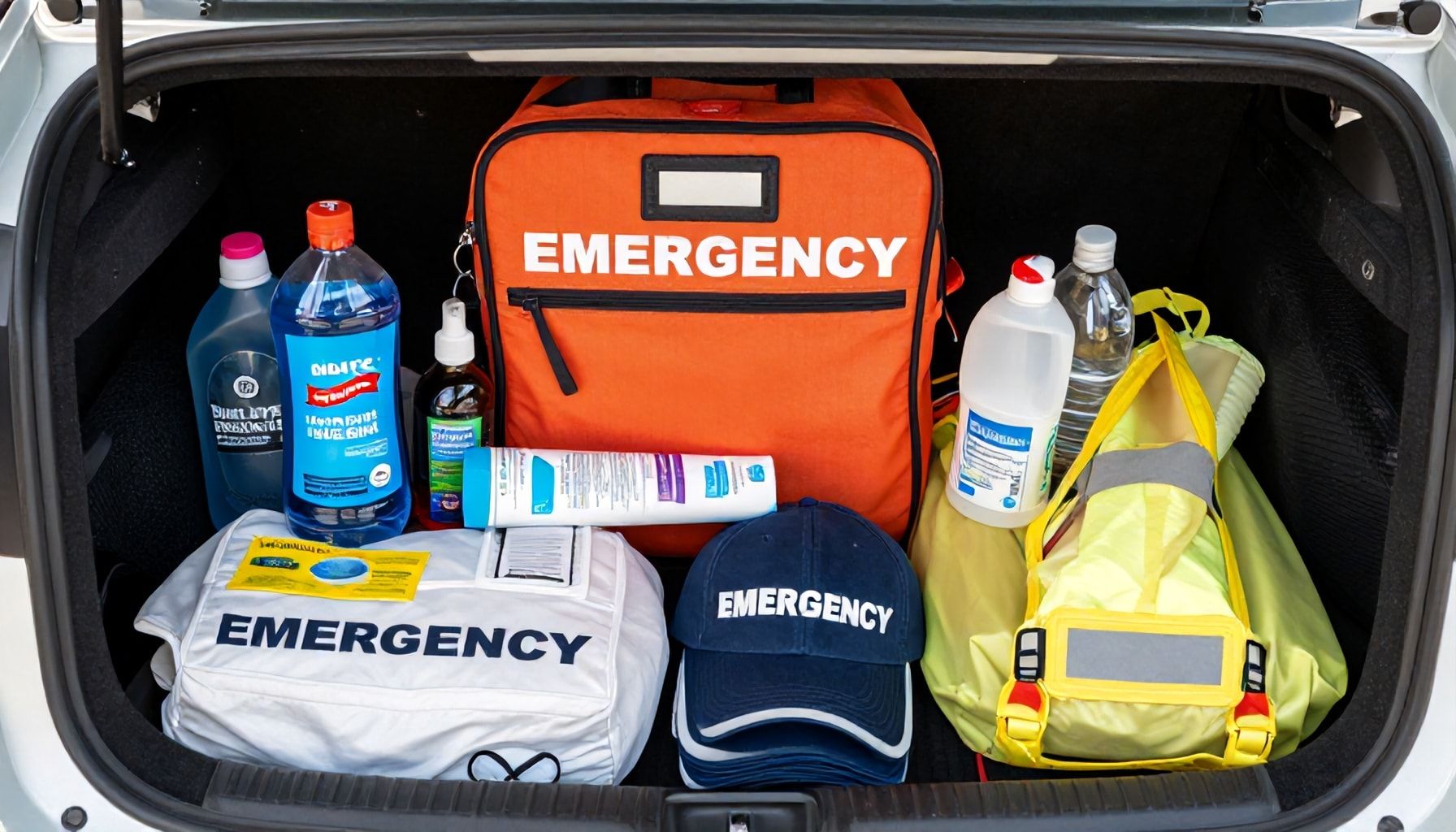
As the UK experiences a record-breaking heatwave, thunderstorms are becoming increasingly common, posing a significant threat to our safety. I recommend prioritising emergency preparedness and keeping an essential kit on hand. Here are five must-have items that can help you stay safe during a thunderstorm.
Essential Item 1: First Aid Kit
I always carry a well-stocked first aid kit with me. A basic kit should include bandages, antiseptic wipes, painkillers, and any medications you may need. Consider adding a portable defibrillator, especially if you live in an area prone to lightning strikes. Don’t forget to check your kit regularly to ensure all items are still usable.
Thunderstorm Warning Signs
- Darkening skies
- Increasing wind speed
- Hail or heavy rain
- Loud thunder
Essential Item 2: Water and Non-Perishable Food
During a thunderstorm, it’s easy to lose access to clean water and food. I recommend storing at least 3 litres of water per person per day, along with non-perishable snacks like energy bars, nuts, and dried fruits. These items can help sustain you until the storm passes.
Emergency Contact List
- Emergency services: 999
- Weather updates: Met Office website
- Neighbourhood contacts: exchange phone numbers with nearby residents
Essential Item 3: Flashlight and Battery-Powered Radio
A reliable light source and communication device are crucial during a power outage. I recommend investing in a high-quality flashlight and battery-powered radio. These items can provide critical information and help you navigate your surroundings.
Thunderstorm Safety Precautions
- Avoid water and electrical appliances
- Stay away from windows and doors
- Keep away from metal objects
Essential Item 4: Personal Protective Equipment (PPE)
In extreme weather conditions, it’s essential to protect yourself from injury. I recommend keeping a set of PPE, including a face mask, gloves, and safety glasses. These items can help shield you from flying debris and other hazards.
UK Weather Forecast
- Visit the Met Office website for up-to-date weather forecasts
- Download a weather app on your smartphone
Essential Item 5: Multi-Tool and Rope
A multi-tool and rope can help you navigate and respond to emergencies. I recommend investing in a high-quality multi-tool and a sturdy rope. These items can come in handy when you need to secure loose objects or create a makeshift shelter.
By keeping these essential items in your emergency kit, you’ll be better equipped to handle a thunderstorm and stay safe in the UK heatwave.
The Dangers of Lightning Strikes: Why You Should Seek Shelter Immediately

Britain is no stranger to unpredictable weather, and during the recent heatwave, the threat of thunderstorms has been a major concern. As a safety expert, I recommend taking immediate action if a storm is looming. Lightning strikes can be particularly deadly, and I’d like to share some statistics that highlight the dangers:
Lightning Strike Statistics:
- In the UK, there are approximately 60 reported lightning strikes each year.
- Of these, 20 are fatal, with another 70 resulting in injuries.
- The odds of being struck by lightning in your lifetime are 1 in 700,000.
Table: Common Lightning Strike Injuries:
| Injury Type | Percentage |
|---|---|
| Cardiac arrest | 63.4% |
| Burns | 46.6% |
| Fractures | 30.4% |
| Head injuries | 23.1% |
As you can see, lightning strikes are a serious threat, and acting quickly is crucial. If you’re caught outside during a thunderstorm, seek shelter immediately. If you’re in an open area, look for nearby buildings or vehicles. If you’re in a wooded area, try to find a low-lying area with minimal tree cover.
Storm Safety Checklist:
- Stay away from tall objects, such as trees, power lines, and flagpoles.
- Avoid being in or near water, such as swimming pools, lakes, or rivers.
- Unplug electronic devices to prevent power surges.
- Keep a safe distance from windows and doors.
If you’re at home, unplug electronics and avoid using water during a storm. If you’re driving, pull over to a safe location and keep your phone charged. Remember, lightning can strike from up to 10 miles away, so don’t take any chances.
What to Do During a Lightning Strike:
- Crouch low with your feet together, and your head down.
- Avoid lying flat, as this can increase your risk of cardiac arrest.
- Stay away from conductive objects, such as metal fences or golf clubs.
By taking these precautions, you can significantly reduce your risk of being struck by lightning. Always err on the side of caution, and remember: if there’s a storm forecast, stay indoors and keep an eye on the weather.
Staying Safe While Driving in a Thunderstorm: X Ways to Reduce Your Risk of Accidents
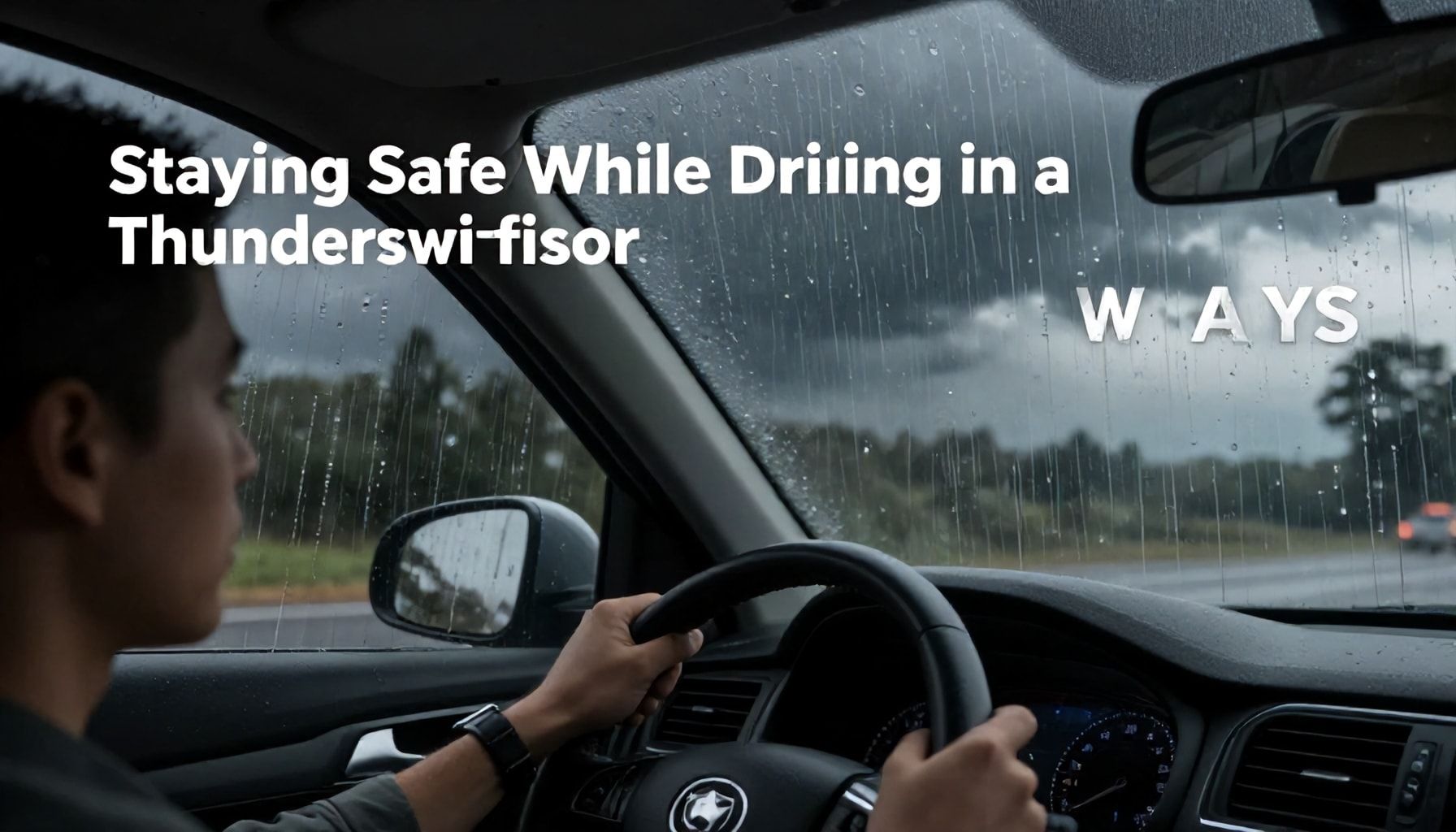
Driving in a Thunderstorm: Reduce Your Risk of Accidents
As a frequent driver in the UK, I recommend taking extra precautions during thunderstorms. The combination of heavy rain, strong winds, and reduced visibility can be hazardous, increasing the risk of accidents. To help you stay safe on the road, I’ve compiled a list of the top X ways to reduce your risk of accidents.
Pre-Storm Preparations
Before venturing out, make sure your vehicle is in good working condition. Check your:
- Tires for proper tread depth and air pressure
- Wipers for good visibility
- Headlights and taillights for proper functioning
- Windshield for any cracks or damage
Also, consider postponing your journey if possible. If you must drive, keep an eye on the weather forecast and plan your route accordingly.
Driving Techniques
During a thunderstorm, reduce your speed and leave plenty of space between you and other vehicles. Use:
| Driving Technique | Benefits |
|---|---|
| Reduced speed | Improved stopping distance |
| Increased following distance | More time to react to unexpected situations |
| Dim or dipped headlights | Improved visibility for other drivers |
Additional Tips
Other tips to keep in mind include:
- Avoid driving near flooded areas or low-lying roads
- Keep your phone charged and easily accessible
- Be aware of your surroundings and keep an eye out for hazards
By following these tips, you can reduce your risk of accidents and stay safe while driving in a thunderstorm.