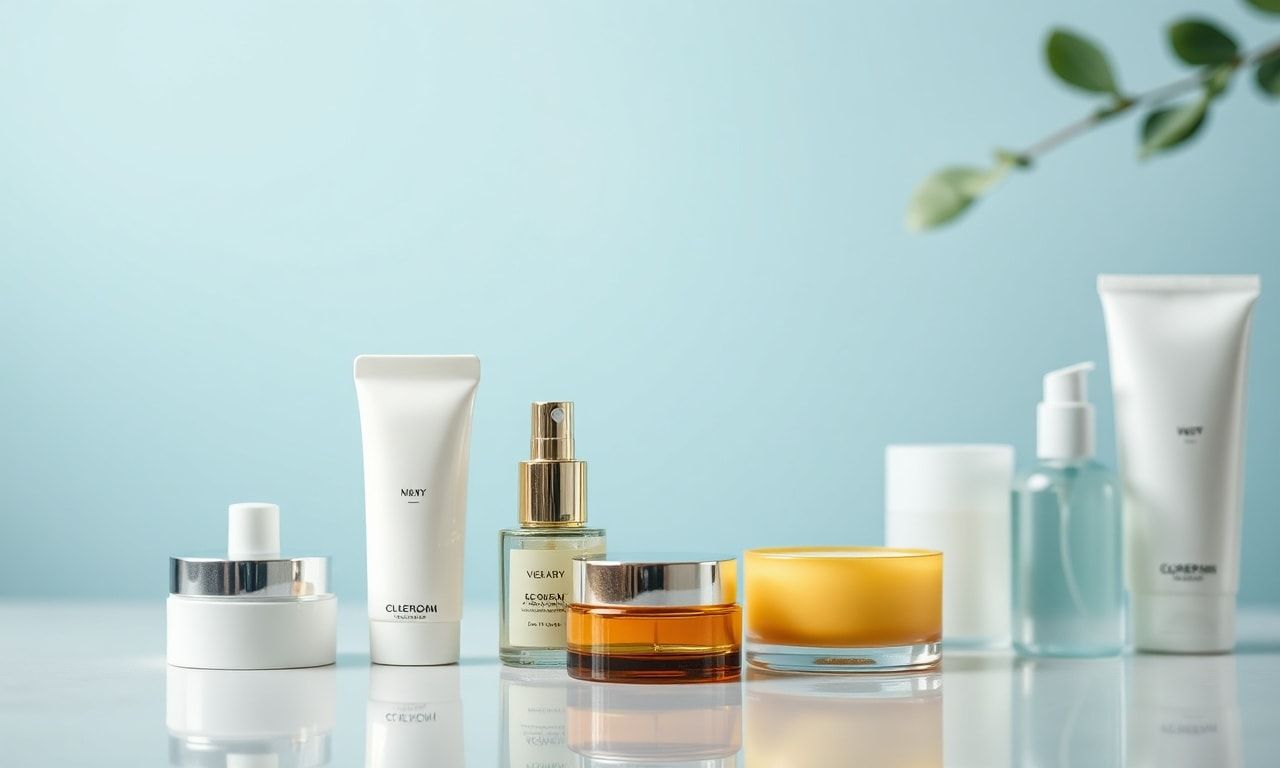
The Evolution of the Beauty Industry
The beauty industry has undergone a significant transformation over the past few years, driven by technological advancements, changing consumer preferences, and a growing emphasis on sustainability. In 2023, the industry continues to evolve, with new trends and innovations shaping the way consumers interact with beauty products. From personalized skincare routines to eco-friendly packaging, the beauty landscape is more dynamic than ever.
Personalization and Technology
One of the most notable trends in the beauty industry is the rise of personalized products. Consumers are increasingly seeking tailored solutions that cater to their unique skin types, concerns, and preferences. Technology plays a crucial role in this shift, with AI-driven apps and online platforms offering customized beauty recommendations. These tools analyze user data to suggest products that align with individual needs, enhancing the overall consumer experience.
For instance, apps that use AI to analyze skin conditions and recommend personalized skincare routines have gained popularity. Additionally, brands are leveraging data analytics to create products that address specific consumer needs. This trend is not only enhancing customer satisfaction but also driving sales and brand loyalty.
The Role of Social Media
Social media platforms have become powerful tools for beauty brands to engage with their audience. Influencers and beauty experts share their experiences and recommendations, influencing consumer purchasing decisions. Platforms like Instagram, TikTok, and YouTube have become hubs for beauty content, with users sharing tutorials, reviews, and product recommendations. This has led to the rise of viral beauty trends, such as the ‘glass skin’ trend and the popularity of Korean beauty products.
Moreover, social media has democratized the beauty industry, allowing smaller brands to reach a global audience. Consumers now have access to a wide range of products and can easily compare and contrast different options. This has increased competition among brands, driving innovation and quality improvements.
Sustainability and Ethical Practices
Sustainability has become a key focus for both consumers and beauty brands. There is a growing demand for eco-friendly products and packaging, as well as ethical sourcing and manufacturing practices. Consumers are increasingly conscious of the environmental impact of their purchases and are seeking brands that align with their values.
In response, many beauty brands have adopted sustainable practices, such as using recyclable or biodegradable packaging, reducing water usage in production, and sourcing ingredients ethically. Some brands have also introduced refillable products to minimize waste. This shift towards sustainability is not only beneficial for the environment but also enhances brand reputation and customer loyalty.
For those interested in exploring the best beauty products and reviews, websites like güzellik ürünleri inceleme en iyiler offer comprehensive insights and recommendations. These platforms provide valuable information to help consumers make informed decisions about their beauty purchases.
The Rise of Clean Beauty
Clean beauty, which focuses on using natural and non-toxic ingredients, has gained significant traction in recent years. Consumers are increasingly concerned about the potential harmful effects of synthetic chemicals in beauty products. As a result, there is a growing demand for products that are free from parabens, sulfates, and other potentially harmful ingredients.
Brands are responding to this trend by reformulating their products to meet clean beauty standards. Many are also obtaining certifications from organizations that verify the safety and sustainability of their products. This trend is not only driving innovation in product formulation but also increasing consumer trust and confidence in beauty brands.
The Future of the Beauty Industry
The beauty industry is poised for continued growth and innovation. As consumer preferences evolve, brands will need to adapt and embrace new trends to stay competitive. Personalization, sustainability, and clean beauty are likely to remain key focus areas, driving the development of new products and technologies.
Additionally, the integration of technology in the beauty industry will continue to enhance the consumer experience. From AI-driven recommendations to virtual try-on tools, technology will play a crucial role in shaping the future of beauty. As the industry continues to evolve, consumers can expect a wider range of products and services that cater to their unique needs and preferences.
As digital communication continues to evolve, understanding the advancements in email security is crucial for journalists and news consumers alike; explore how email protection has changed in our latest feature.
In the realm of e-commerce trends, a new analysis delves into the worldwide influence of subscription-based services, offering readers a comprehensive overview in subscription boxes’ global reach.