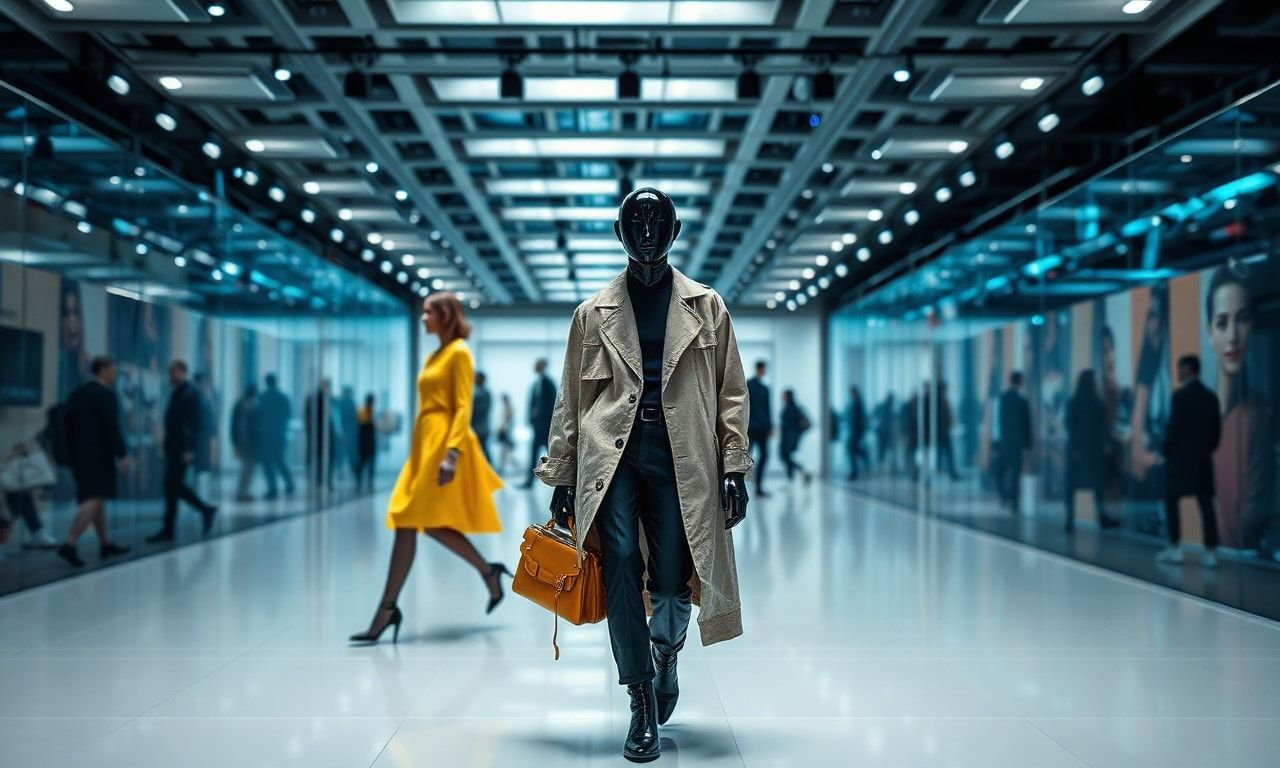
The Evolution of Fashion Trends
The fashion industry is constantly evolving, driven by technological advancements and changing consumer preferences. As we look ahead to 2026, experts predict a significant shift in how we perceive and interact with clothing. This transformation is not just about aesthetics but also about functionality, sustainability, and personalization.
The Role of Technology in Shaping Future Trends
Technology is playing a pivotal role in reshaping the fashion landscape. From virtual try-on apps to AI-driven design tools, the integration of tech is revolutionizing the way designers create and consumers shop. Wearable technology, in particular, is expected to see a surge in popularity, blending fashion with functionality. Smart fabrics that can monitor health metrics, adjust to weather conditions, and even change color based on mood are just a few examples of what the future holds.
One of the most exciting developments is the use of augmented reality (AR) in fashion. AR allows consumers to virtually try on clothes before making a purchase, enhancing the shopping experience. This technology is not only convenient but also reduces the environmental impact of fashion by minimizing returns and overproduction. As we move towards 2026, we can expect AR to become a standard feature in online retail platforms.
The Impact of Sustainability
Sustainability is no longer a buzzword but a necessity in the fashion industry. Consumers are increasingly conscious of the environmental impact of their purchases, driving brands to adopt eco-friendly practices. In 2026, we can expect to see a rise in sustainable materials, such as recycled fabrics, biodegradable textiles, and plant-based alternatives. The fashion industry is also exploring innovative ways to reduce waste, from upcycling old garments to implementing circular fashion models.
Brands are also focusing on transparency and ethical sourcing. Consumers want to know where their clothes come from and who made them. This shift towards transparency is pushing brands to adopt more ethical practices, ensuring fair wages and safe working conditions for workers. As we move towards 2026, sustainability will be a key differentiator for fashion brands, with consumers favoring those that prioritize the planet and its people.
The Rise of Personalization
Personalization is another trend that is set to dominate the fashion industry in 2026. With the advent of AI and machine learning, brands can now offer customized clothing that caters to individual preferences and body types. From personalized fit to unique designs, the future of fashion is all about tailoring experiences to the individual. This trend is not only enhancing customer satisfaction but also reducing the environmental impact of mass production.
AI-driven design tools are enabling designers to create bespoke pieces that cater to specific tastes and preferences. These tools analyze data from social media, fashion blogs, and consumer behavior to predict trends and create designs that resonate with the target audience. As we move towards 2026, we can expect to see a rise in personalized fashion, with brands offering unique, tailored experiences to their customers.
The Future of Fashion Retail
The retail landscape is also undergoing a significant transformation. E-commerce platforms are becoming more sophisticated, offering immersive shopping experiences that rival physical stores. Virtual showrooms, AI stylists, and interactive fitting rooms are just a few examples of how technology is enhancing the online shopping experience. As we move towards 2026, we can expect to see a seamless blend of online and offline retail, with brands offering omnichannel experiences that cater to the modern consumer.
Social commerce is another trend that is set to dominate the fashion retail landscape. With the rise of platforms like Instagram and TikTok, brands are leveraging social media to reach a wider audience. Influencer marketing, live shopping, and user-generated content are becoming integral parts of the retail strategy. As we move towards 2026, social commerce will play a pivotal role in shaping the future of fashion retail.
The Influence of Global Trends
Global trends are also shaping the future of fashion. With the increasing interconnectedness of the world, fashion trends are no longer confined to specific regions. Instead, they are influenced by a blend of cultures, traditions, and styles. This global exchange is fostering a more diverse and inclusive fashion landscape, with brands embracing a wide range of aesthetics and designs. For more insights into the future of fashion trends, you can explore the 2026 modası giyim trendleri and gain a deeper understanding of what to expect in the coming years.
As we look ahead to 2026, the fashion industry is poised for a significant transformation. From the integration of technology to the rise of sustainability and personalization, the future of fashion is all about innovation and inclusivity. Brands that embrace these trends will not only stay ahead of the curve but also contribute to a more sustainable and equitable fashion landscape.