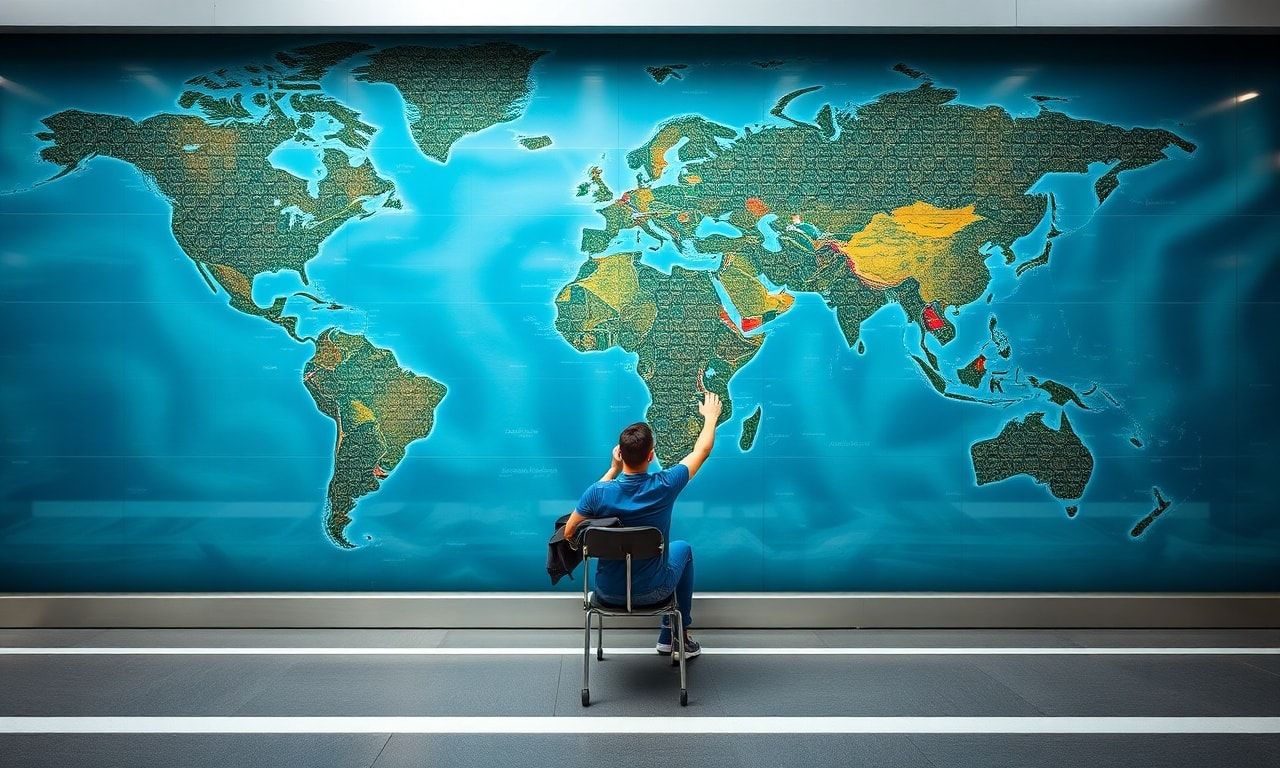
The New Normal: Remote Work and Digital Nomadism
The COVID-19 pandemic has brought about significant changes in the way we work. One of the most notable shifts has been the rise of remote work and digital nomadism. As businesses worldwide adapt to the new normal, many employees are taking advantage of the flexibility offered by remote work to explore new destinations and embrace a location-independent lifestyle.
Digital nomads are individuals who leverage technology to work remotely and travel the world. This lifestyle has gained considerable traction in recent years, with an estimated 10 million digital nomads globally. The rise of this trend has been fueled by advancements in technology, the increasing availability of remote work opportunities, and a growing desire for work-life balance and adventure.
The Benefits of Digital Nomadism
The digital nomad lifestyle offers numerous benefits, both for individuals and businesses. For employees, the ability to work from anywhere provides greater flexibility, the opportunity to explore new cultures, and the potential to reduce living costs by choosing affordable destinations. For employers, a remote workforce can lead to increased productivity, access to a global talent pool, and reduced overhead costs.
Moreover, digital nomadism can foster personal growth and professional development. Living and working in different countries can enhance cultural awareness, improve language skills, and broaden one’s professional network. It can also encourage innovation and creativity by exposing individuals to diverse perspectives and experiences.
Challenges and Considerations
Despite the many benefits, digital nomadism also presents challenges. One of the main concerns is the lack of stability and routine, which can impact mental health and productivity. Additionally, navigating different time zones, visa requirements, and internet connectivity issues can be challenging. It is essential for digital nomads to plan carefully and be prepared for the unique challenges that come with this lifestyle.
Another consideration is the impact of digital nomadism on local communities. While the influx of remote workers can boost local economies, it can also lead to gentrification and increased living costs. It is crucial for digital nomads to be mindful of their impact on the communities they visit and to support local businesses and initiatives.
The Role of Technology in Enabling Digital Nomadism
Technology has played a pivotal role in enabling the digital nomad lifestyle. The widespread availability of high-speed internet, cloud computing, and collaboration tools has made it possible for individuals to work remotely from virtually anywhere in the world. Platforms like Zoom, Slack, and Google Workspace have become essential for remote teams, facilitating communication and collaboration across different time zones.
Additionally, the rise of coworking spaces and digital nomad communities has provided remote workers with access to professional work environments, networking opportunities, and social support. Websites and apps like Nomad List, Remote Year, and WiFi Tribe offer resources and communities for digital nomads, helping them navigate the challenges of remote work and travel.
danimarka içeriği pazarlama stratejileri güncel
For those interested in exploring the digital nomad lifestyle in Denmark, understanding the local market and cultural context is essential. Denmark offers a high quality of life, excellent work-life balance, and a strong digital infrastructure, making it an attractive destination for remote workers. To successfully market content and services to a Danish audience, it is important to tailor strategies to the local culture and preferences. Resources like danimarka içeriği pazarlama stratejileri güncel can provide valuable insights and guidance for those looking to connect with the Danish market.
The Future of Digital Nomadism
The future of digital nomadism looks promising, with an increasing number of businesses and employees embracing remote work. As technology continues to advance, the barriers to remote work are likely to diminish, making it easier for individuals to adopt a location-independent lifestyle. Governments and businesses are also recognizing the potential benefits of digital nomadism and are implementing policies and initiatives to attract remote workers.
However, the long-term sustainability of digital nomadism will depend on addressing the challenges and considerations associated with this lifestyle. It will be essential for individuals, businesses, and communities to work together to create a supportive and inclusive environment for digital nomads. By doing so, the digital nomad lifestyle can continue to thrive and contribute to a more connected and globalized world.
In conclusion, the rise of digital nomadism represents a significant shift in the way we work and live. While it offers numerous benefits, it also presents challenges that need to be addressed. By leveraging technology, understanding local markets, and fostering a supportive community, digital nomads can continue to embrace a lifestyle that combines work, travel, and personal growth.