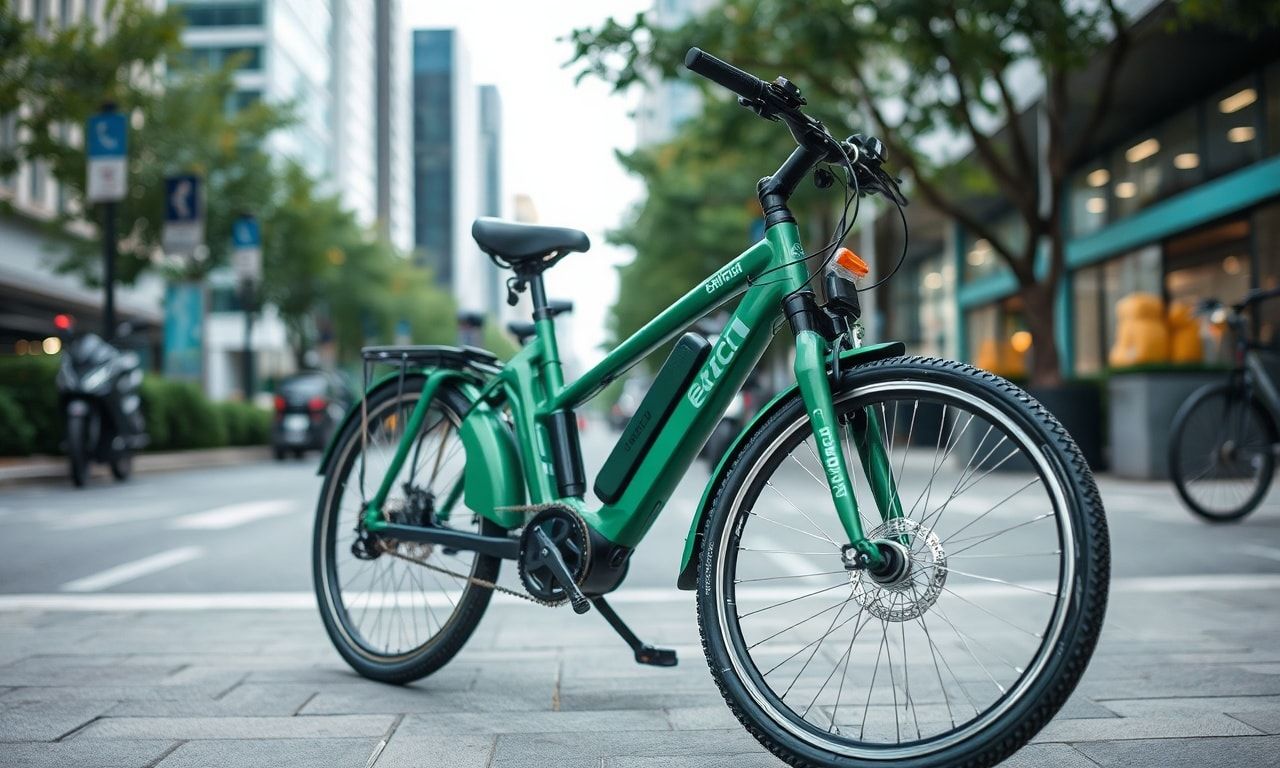
The Green Wave: E-Bikes Take Over Urban Streets
The urban landscape is undergoing a significant transformation, with e-bikes emerging as a popular choice for commuters worldwide. This shift is not merely a trend but a revolution driven by the need for sustainable, efficient, and cost-effective transportation solutions. As cities grapple with traffic congestion and air pollution, e-bikes offer a promising alternative that aligns with environmental goals and modern lifestyles.
The Environmental Impact of E-Bikes
E-bikes, or electric bicycles, are gaining traction due to their minimal environmental impact. Unlike traditional vehicles, e-bikes produce zero emissions, making them an eco-friendly option for daily commutes. According to a study by the European Cyclists’ Federation, e-bikes can reduce carbon emissions by up to 15% in urban areas. This significant reduction is a step forward in combating climate change and improving air quality in densely populated cities.
Moreover, the production and disposal of e-bikes have a lower environmental footprint compared to cars. The materials used in manufacturing e-bikes are often recyclable, and the energy required for their production is substantially less than that needed for automobiles. As a result, e-bikes are not only a greener choice for daily transportation but also contribute to a more sustainable future.
The Economic Benefits of E-Bikes
Beyond their environmental advantages, e-bikes offer considerable economic benefits. The initial cost of purchasing an e-bike is significantly lower than that of a car, and the ongoing maintenance and operational costs are minimal. E-bike owners save on fuel, insurance, and parking fees, making them an economical choice for urban dwellers.
Additionally, the rise of e-bikes has spurred job creation in the cycling industry. From manufacturing to retail and maintenance, the e-bike sector is generating employment opportunities and stimulating economic growth. Governments and private investors are increasingly recognizing the potential of e-bikes and are investing in infrastructure and technology to support this growing market.
The Role of Communities in Promoting E-Bike Usage
Communities play a crucial role in promoting the adoption of e-bikes. Local governments are investing in bike lanes and charging stations to make urban cycling safer and more convenient. Community initiatives, such as bike-sharing programs and educational campaigns, are also encouraging more people to switch to e-bikes.
For instance, cities like Amsterdam and Copenhagen have long been champions of cycling culture, and they are now embracing e-bikes as part of their sustainable transportation strategies. These cities are setting an example for other urban centers by demonstrating how e-bikes can integrate seamlessly into daily life. Furthermore, online platforms like Honda bike owner communities and forums provide valuable resources and support for e-bike enthusiasts, fostering a sense of community and shared knowledge.
Challenges and Solutions
Despite the numerous benefits, the widespread adoption of e-bikes faces several challenges. One of the primary concerns is the initial cost, which can be prohibitive for some consumers. However, governments are addressing this issue through subsidies and tax incentives, making e-bikes more accessible.
Another challenge is the need for adequate infrastructure. Many cities lack the necessary bike lanes and charging stations to support e-bike usage. To overcome this, urban planners are collaborating with local authorities to develop comprehensive cycling networks that prioritize safety and convenience. Additionally, technological advancements are improving the range and battery life of e-bikes, making them more reliable for long-distance commutes.
The Future of E-Bikes
The future of e-bikes looks promising, with continuous innovations and growing public support. As technology advances, e-bikes are becoming more efficient, affordable, and versatile. The integration of smart features, such as GPS tracking and connectivity with smartphones, is enhancing the user experience and making e-bikes an attractive option for tech-savvy consumers.
Moreover, the global e-bike market is projected to grow exponentially in the coming years. According to a report by MarketsandMarkets, the e-bike market is expected to reach $46.9 billion by 2026, driven by increasing environmental awareness and government initiatives. This growth presents an opportunity for businesses and investors to capitalize on the rising demand for sustainable transportation solutions.
In conclusion, the rise of e-bikes represents a significant shift in urban mobility, offering a sustainable, economical, and community-driven alternative to traditional transportation. As cities continue to invest in infrastructure and technology, e-bikes are poised to become a mainstream choice for commuters worldwide. The green revolution is here, and e-bikes are leading the charge towards a cleaner, healthier, and more connected future.
As cities worldwide rethink urban mobility, our latest report examines the cycling revolution and its impact on infrastructure.
As cities worldwide commit to reducing emissions, a notable shift is occurring in the transportation sector; explore the growing popularity of electric motorcycles in sustainable urban mobility solutions.
To stay informed about the latest advancements in sustainable transportation, explore UK’s cycling infrastructure progress in our in-depth analysis.