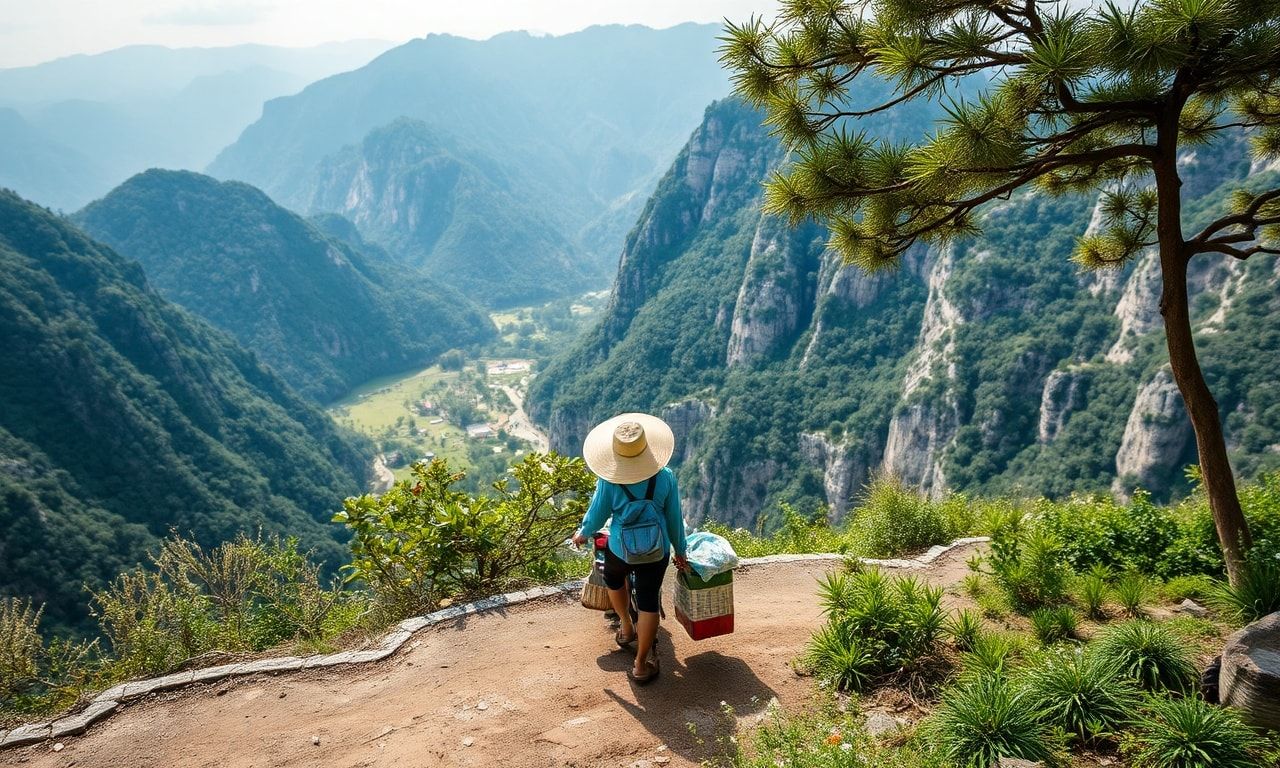
The Emergence of Slow Travel
The travel industry is witnessing a significant shift with the rise of ‘slow travel,’ a trend that emphasizes quality over quantity, and immersive experiences over rushed itineraries. This movement is gaining traction among travelers seeking to connect more deeply with the destinations they visit, rather than ticking off a list of tourist attractions.
Slow travel is not just about the pace; it’s about the approach. It encourages travelers to engage with local cultures, savor local cuisines, and participate in community activities. This trend is reshaping the way people plan their vacations, focusing on meaningful experiences rather than superficial sightseeing.
The Benefits of Slow Travel
One of the primary benefits of slow travel is the opportunity to reduce stress and enhance well-being. By slowing down, travelers can fully immerse themselves in their surroundings, leading to a more relaxing and fulfilling experience. Additionally, slow travel is more sustainable, as it reduces the carbon footprint associated with frequent flights and hurried travel.
Slow travel also fosters a deeper understanding and appreciation of different cultures. By spending more time in one place, travelers can build relationships with locals, learn about their traditions, and gain insights into their way of life. This cultural exchange can be incredibly enriching and can lead to a greater sense of global connectedness.
How to Embark on a Slow Travel Journey
Embarking on a slow travel journey requires a shift in mindset and planning. Here are some tips to help you get started:
- Choose Your Destination Wisely: Select a destination that offers a rich cultural experience and aligns with your interests. Whether it’s a small town in Italy or a rural village in Japan, the key is to find a place that invites exploration and immersion.
- Plan for Longer Stays: Instead of hopping from one place to another, plan to stay in one location for an extended period. This allows you to settle in, explore at a leisurely pace, and truly experience the local way of life.
- Engage with Locals: Connect with locals through community activities, local markets, or cultural events. This can provide a deeper understanding of the destination and create lasting memories.
- Use Sustainable Transportation: Opt for eco-friendly transportation options like trains, buses, or bicycles. This not only reduces your carbon footprint but also allows you to enjoy the scenery and interact with locals.
- Embrace the cultural travel experiences guide: Utilize resources that provide insights into local customs, traditions, and hidden gems. This can enhance your travel experience and help you connect more deeply with the destination.
The Impact of Slow Travel on Local Communities
Slow travel has a positive impact on local communities. By staying longer and spending more money in local businesses, travelers contribute to the local economy. This can help support small businesses, create jobs, and promote sustainable tourism.
Moreover, slow travel encourages cultural preservation. As travelers engage with local traditions and customs, there is a greater incentive for communities to maintain their cultural heritage. This can lead to a richer, more authentic travel experience for future visitors.
The Future of Slow Travel
The future of slow travel looks promising. As more travelers seek meaningful and sustainable experiences, the demand for slow travel is expected to grow. This trend is likely to influence the travel industry, leading to more eco-friendly accommodations, sustainable transportation options, and cultural exchange programs.
In conclusion, slow travel offers a refreshing alternative to the fast-paced, tourist-driven approach to travel. By embracing this trend, travelers can enjoy a more fulfilling, sustainable, and culturally enriching experience. Whether you’re planning a weekend getaway or a long-term adventure, consider the benefits of slow travel and discover the joy of exploring at a slower pace.
As travel regulations continue to evolve, our latest report examines global tourism shifts mid-2023 offers an in-depth analysis of the current landscape.
The pandemic has significantly altered the way we work, and remote work trends offer a comprehensive look at these changes.