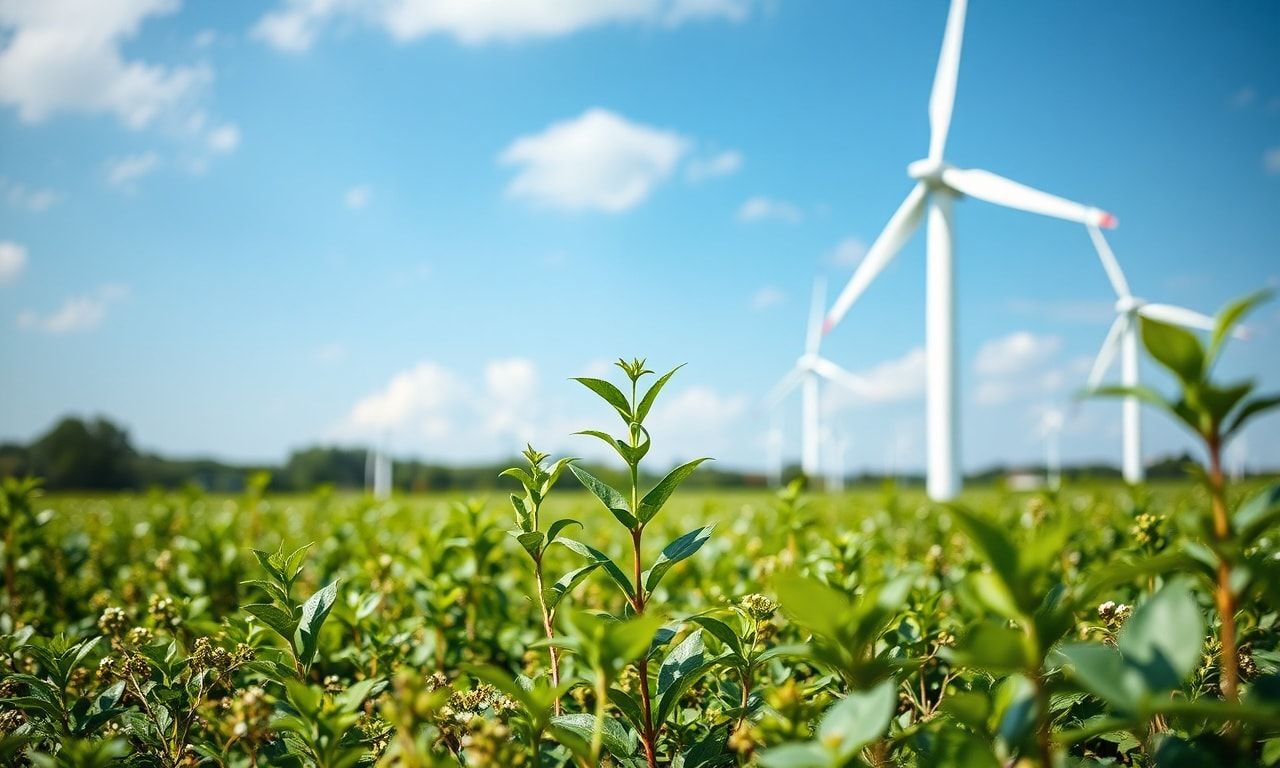
The Rise of Green Energy in the UK
The United Kingdom is witnessing a significant surge in its green energy sector, driven by a combination of government initiatives, technological advancements, and a growing public consciousness around climate change. This shift is not only transforming the energy landscape but also creating new economic opportunities and jobs across the country.
According to recent reports, renewable energy sources such as wind, solar, and biomass now account for over 40% of the UK’s electricity generation. This marks a substantial increase from just a decade ago, highlighting the rapid pace of change in the energy sector. The UK’s commitment to achieving net-zero carbon emissions by 2050 is a key driver behind this growth, with both public and private sectors investing heavily in sustainable energy solutions.
Government Policies and Investments
The UK government has played a pivotal role in fostering the growth of the green energy sector. Through various policies and financial incentives, the government aims to accelerate the transition to a low-carbon economy. The Contracts for Difference (CfD) scheme, for instance, has been instrumental in supporting the development of renewable energy projects by providing long-term price stability for developers.
In addition to CfDs, the government has introduced the Renewable Heat Incentive (RHI) to promote the use of renewable heat technologies in homes and businesses. These initiatives have not only helped reduce greenhouse gas emissions but have also stimulated economic activity in regions with significant renewable energy potential. For instance, Scotland, particularly areas around Dundee, has seen a boom in wind energy projects, contributing to local employment and economic growth. For the latest updates on business networking and economic developments in Dundee, check out the Dundee business networking news update.
Technological Innovations
Advancements in technology have been a game-changer for the green energy sector. The cost of renewable energy technologies, such as solar panels and wind turbines, has significantly decreased over the years, making them more accessible and affordable. Innovations in energy storage solutions, such as batteries, have also played a crucial role in addressing the intermittency issues associated with renewable energy sources.
Moreover, the development of smart grids and digital technologies has enabled better integration and management of renewable energy into the existing energy infrastructure. These technological advancements have not only improved the efficiency and reliability of renewable energy but have also created new opportunities for innovation and investment in the sector.
Economic and Employment Benefits
The growth of the green energy sector has brought about significant economic benefits, including job creation and increased investment. According to industry reports, the renewable energy sector currently employs over 200,000 people in the UK, with the number expected to rise as the sector continues to expand. This growth has been particularly notable in regions with strong renewable energy potential, such as Scotland, the North East, and the South West.
The economic impact of the green energy sector extends beyond job creation. The development of renewable energy projects has led to increased investment in local communities, supporting local businesses and infrastructure. Furthermore, the export of renewable energy technologies and expertise has opened up new markets for UK companies, enhancing the country’s economic competitiveness on the global stage.
Challenges and Future Prospects
Despite the significant progress made, the green energy sector still faces several challenges. One of the main obstacles is the need for continued investment and policy support to ensure the long-term sustainability of renewable energy projects. Additionally, the integration of renewable energy into the existing energy infrastructure requires careful planning and coordination to ensure a stable and reliable energy supply.
Looking ahead, the future of the green energy sector in the UK appears promising. With the government’s commitment to achieving net-zero emissions and the continued advancements in technology, the sector is poised for further growth. The development of new renewable energy projects, such as offshore wind farms and hydrogen energy, is expected to play a crucial role in meeting the UK’s energy needs while reducing its carbon footprint.
In conclusion, the growth of the green energy sector in the UK is a testament to the country’s commitment to addressing the global climate crisis. Through a combination of government policies, technological innovations, and economic incentives, the UK is leading the way in the transition to a sustainable and low-carbon future. As the sector continues to evolve, it is essential to address the challenges and seize the opportunities that lie ahead to ensure a prosperous and sustainable future for all.
To better understand the intricate landscape of today’s news, consider exploring modern news navigation strategies and their implications on local communities.
In the world of sports, a new wave is emerging from the ground up, as detailed in grassroots tournaments gaining prominence.
As Berlin continues to evolve, our latest feature Berlin’s transformative changes delves into the city’s economic, infrastructural, and cultural shifts that are shaping its future.