Introduction
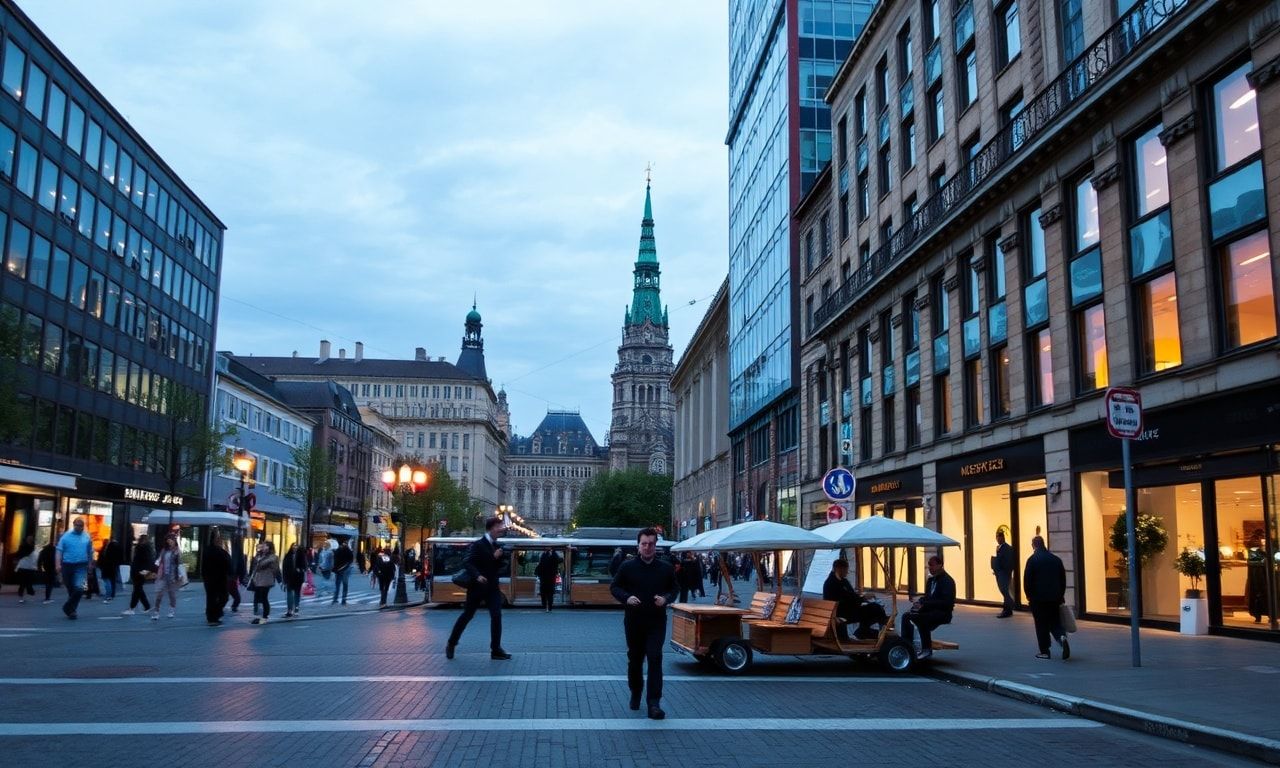
The city of Frankfurt, Germany, is at the forefront of a significant debate on urban development and public participation. As cities around the world grapple with the challenges of growth, sustainability, and community engagement, Frankfurt’s approach offers a compelling case study. This article explores the ongoing Frankfurt Stadtplanung Debatte, highlighting the key issues, stakeholders, and potential outcomes.
The Importance of Urban Planning
Urban planning is a critical aspect of city development, shaping the physical environment and quality of life for residents. Effective urban planning can address issues such as housing shortages, traffic congestion, and environmental sustainability. In Frankfurt, the debate centers around balancing economic growth with the needs of the community, ensuring that development projects benefit all residents.
One of the primary concerns in the Frankfurt Stadtplanung Debatte is the role of public participation. Engaging residents in the planning process can lead to more inclusive and sustainable outcomes. However, achieving meaningful participation is a complex challenge, requiring transparent communication and accessible decision-making processes.
Key Issues in the Frankfurt Debate
The Frankfurt Stadtplanung Debatte encompasses a range of issues, including:
- Housing Affordability: With a growing population and limited housing stock, Frankfurt faces significant pressure to develop affordable housing solutions.
- Transportation Infrastructure: The city is evaluating options for improving public transportation and reducing traffic congestion, including the expansion of bike lanes and pedestrian zones.
- Environmental Sustainability: Frankfurt aims to become a leader in sustainable urban development, with initiatives focused on green spaces, energy efficiency, and renewable energy sources.
- Cultural Preservation: As the city evolves, there is a need to preserve its historical and cultural heritage, ensuring that development projects respect the city’s unique identity.
These issues are interconnected, and addressing them requires a holistic approach that considers the social, economic, and environmental dimensions of urban development.
Stakeholders in the Debate
The Frankfurt Stadtplanung Debatte involves a diverse range of stakeholders, each with their own perspectives and interests. Key players include:
- Local Government: City officials and planners are responsible for developing and implementing urban policies, balancing the needs of different stakeholders.
- Residents and Community Groups: Local residents and community organizations play a crucial role in advocating for their interests and ensuring that development projects meet their needs.
- Businesses and Developers: Private sector stakeholders, including businesses and real estate developers, have a significant impact on urban development, driving investment and economic growth.
- Academics and Experts: Researchers and urban planning experts provide valuable insights and recommendations, informing the debate and shaping policy decisions.
Effective collaboration among these stakeholders is essential for achieving a balanced and inclusive approach to urban development.
The Role of Public Participation
Public participation is a cornerstone of democratic governance and a key factor in the success of urban planning initiatives. In Frankfurt, efforts to engage residents in the planning process have included public consultations, workshops, and online platforms for feedback. However, ensuring that all voices are heard and that participation leads to tangible outcomes remains a challenge.
One of the main challenges in public participation is reaching diverse communities and ensuring that their perspectives are represented. Language barriers, lack of access to information, and limited time for engagement can all hinder meaningful participation. Addressing these challenges requires targeted outreach efforts and the use of multiple communication channels to reach a broader audience.
Case Studies and Best Practices
Frankfurt can draw on best practices from other cities to enhance its public participation efforts. For example, cities like Copenhagen and Amsterdam have successfully implemented participatory budgeting processes, allowing residents to directly influence how public funds are allocated. Additionally, digital tools and platforms can facilitate broader engagement, providing residents with easy access to information and opportunities to provide feedback.
By learning from these examples and adapting them to the local context, Frankfurt can strengthen its public participation processes and ensure that urban planning decisions reflect the needs and priorities of its residents.
Conclusion
The Frankfurt Stadtplanung Debatte highlights the complexities and opportunities of urban development in the 21st century. As the city navigates the challenges of growth, sustainability, and community engagement, it serves as a valuable case study for other cities facing similar issues. By prioritizing public participation and fostering collaboration among stakeholders, Frankfurt can create a more inclusive and sustainable urban environment for all residents.
For more insights into the Frankfurt Stadtplanung Debatte, visit Frankfurt Stadtplanung Debatte.